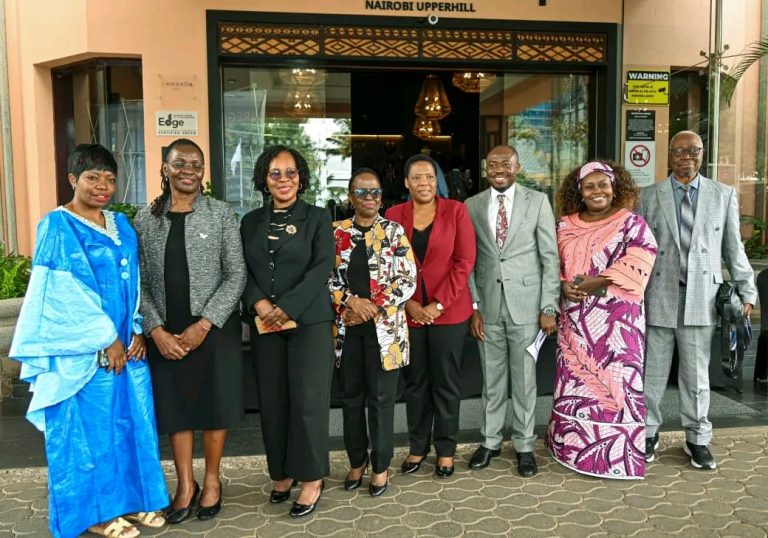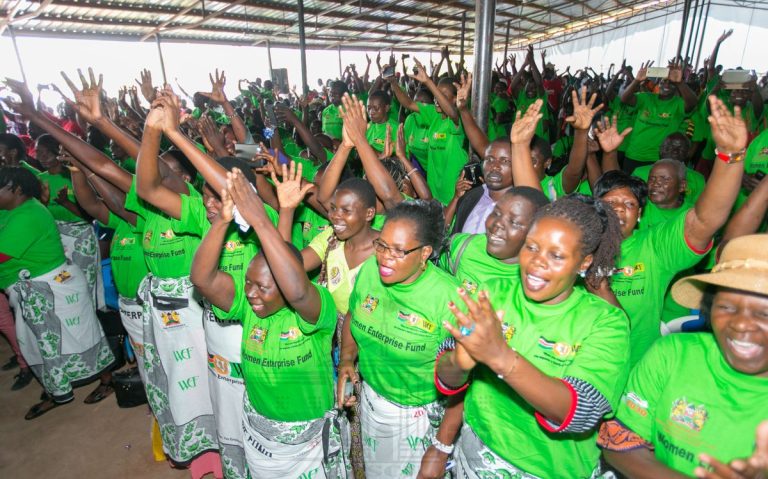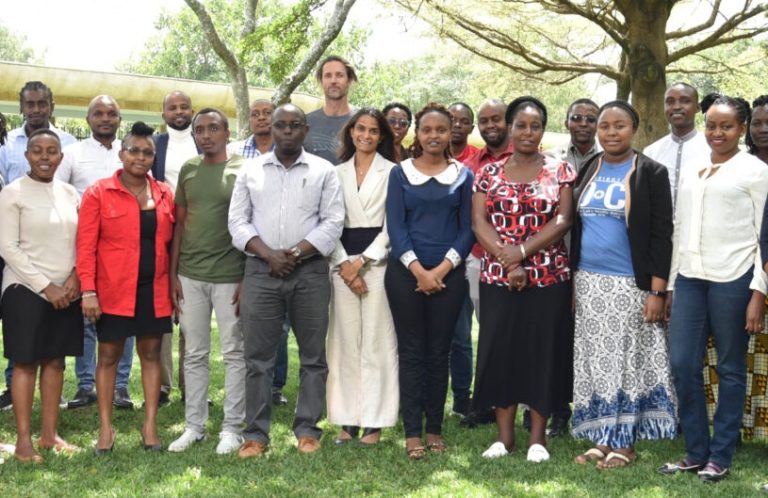
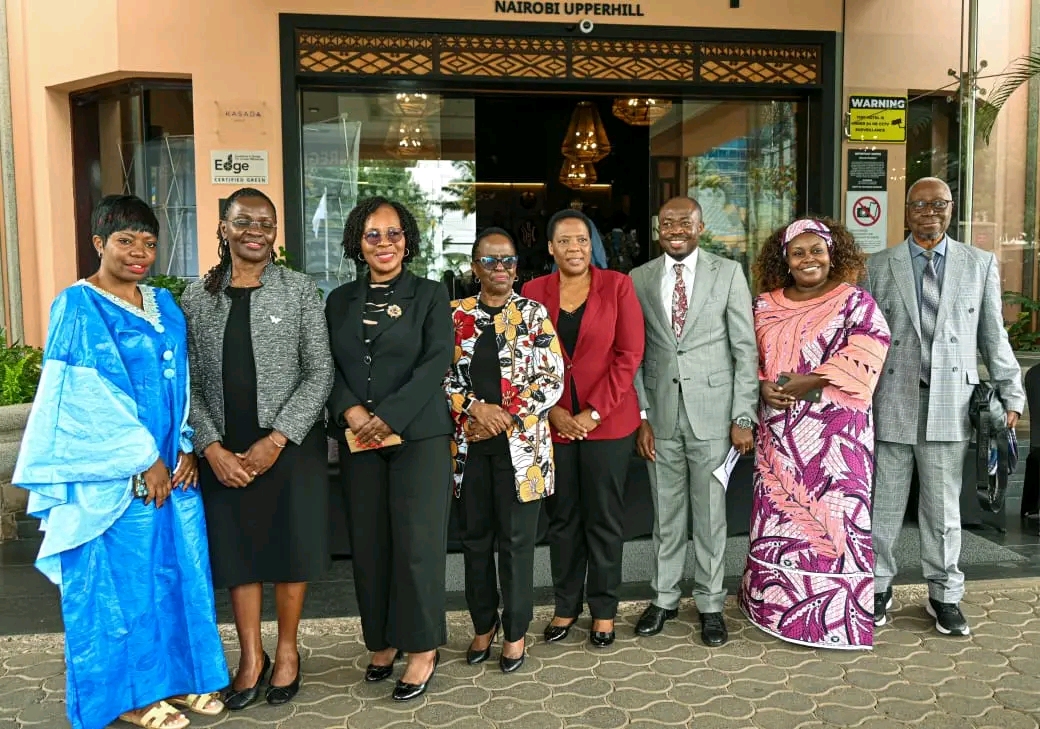
Kenya and the African Union (AU) have renewed calls for stronger regional cooperation and more inclusive peacebuilding efforts, stressing that lasting peace in Africa’s Great Lakes Region can only be achieved through collective action, accountable governance, and the meaningful participation of women and young people.
The appeal was made during the International Conference on the Great Lakes Region (ICGLR) Consultative Forum and Great Lakes Round Table Meeting in Nairobi, where policymakers, parliamentarians, diplomats, civil society leaders, academics, women and youth organizations, and development partners gathered to discuss the future of peace, security, governance, and regional integration.
The five-day forum comes at a critical moment as countries in the Great Lakes Region continue to grapple with armed conflict, humanitarian emergencies, violent extremism, climate-related insecurity, cross-border crime, and growing displacement.
Regional Challenges Require Regional Solutions
Speaking during the opening session, Principal Secretary for Gender Affairs and Affirmative Action Anne Wang’ombe said today’s security threats are increasingly interconnected, making regional collaboration more important than ever.
She noted that conflicts, climate change, forced migration, organized crime, and gender-based violence transcend national borders, meaning no country can effectively address these challenges alone.
“These realities call for stronger collaboration, collective leadership, and sustained regional action,” Wang’ombe said.
She reaffirmed Kenya’s commitment to the ICGLR, describing the regional body as a vital platform for conflict prevention, political dialogue, democratic governance, and sustainable development across the Great Lakes Region.
According to Wang’ombe, lasting peace cannot be achieved through military interventions alone.
Instead, she emphasized that sustainable stability depends on strong institutions, respect for human rights, inclusive governance, and ensuring that women and young people play meaningful roles in peace and security initiatives.
“The consultations provide an important opportunity for member states to assess emerging risks, share experiences, and strengthen coordinated responses to increasingly complex cross-border challenges,” she added.
Women and Youth Must Move from Participation to Influence
The call for inclusive peacebuilding was echoed by African Union Ambassador for Women, Peace and Security Liberata Mulamula, who challenged governments to move beyond symbolic representation and give women and youth genuine influence over decisions affecting the region.
“The question is no longer whether women and young people should participate. That question was settled long ago. The real question is whether they can influence decisions,” she said.
Mulamula observed that women and young people often bear the greatest burden of conflict through displacement, disrupted education, sexual and gender-based violence, unemployment, and political exclusion.
Yet despite these challenges, they continue to play a leading role in supporting displaced communities, facilitating dialogue, providing early warning information, and promoting reconciliation at the grassroots.
She argued that meaningful participation requires more than seats at negotiation tables.
Women and youth, she said, must also have access to funding, institutional authority, information, and decision-making power if peace processes are to produce lasting results.
Quoting a Congolese proverb—“A single bracelet does not jingle”—Mulamula reminded delegates that sustainable peace demands collective responsibility.
“No government, institution, generation, or community can build sustainable peace alone,” she said.
Kenya Showcases Progress on Women, Peace and Security
Kenya also highlighted progress in implementing its Third Kenya National Action Plan on Women, Peace and Security (KNAP III), which seeks to strengthen women’s leadership in conflict prevention, mediation, and peacebuilding through partnerships with county governments, civil society organizations, community peace structures, youth groups, and development partners.
Wang’ombe praised the contribution of the ICGLR Regional Women’s Forum, Regional Multifunctional Youth Forum, Parliamentary Forum, Civil Society Forum, and Private Sector Forum for advancing implementation of the ICGLR Pact while strengthening regional integration.
She noted that these platforms have become instrumental in promoting policy dialogue, technical cooperation, and inclusive governance across member states.
Investing in Grassroots Peacebuilders
Mulamula also called for greater investment in grassroots organizations, saying local women’s groups and youth networks are often the first to detect signs of conflict and possess invaluable knowledge for preventing violence.
Rather than being consulted occasionally, she said, community organizations should become fully recognized implementation partners.
“Their work must be financed, and their analysis must inform national and regional peace and security decisions,” she emphasized.
Eastern DRC Conflict Highlights Urgency
The Nairobi consultations come amid continued instability in parts of the Great Lakes Region, particularly eastern Democratic Republic of Congo, where armed conflict, humanitarian displacement, illicit cross-border activities, and political tensions continue to threaten regional stability.
Climate change, competition over natural resources, and economic insecurity have further complicated an already fragile security environment, reinforcing the need for stronger multilateral cooperation.
A Shared Vision for Lasting Peace
As the Nairobi meeting concludes, delegates are expected to submit recommendations to the Regional Inter-Ministerial Committee, focusing on strengthening conflict prevention, improving regional coordination, enhancing accountability for peace commitments, expanding women’s and youth participation in governance and mediation, and promoting sustainable development.
The discussions reflected a growing recognition that lasting peace in the Great Lakes Region will depend not only on stronger security cooperation but also on inclusive leadership, empowered local communities, accountable institutions, and sustained regional partnerships.
For Kenya and the African Union, the message was clear: peace is not the responsibility of governments alone,it requires the active participation of women, young people, civil society, and regional partners working together toward a common future.
About the Author