
For many Kenyans, Millicent Omanga is best known for her outspoken political career and vibrant social media presence. But beyond the political arena, she has increasingly focused on community-driven initiatives aimed at improving the lives of women, girls, and vulnerable families.
Through philanthropy, mentorship, and grassroots outreach, the former nominated senator has sought to demonstrate that leadership is not defined solely by holding public office. Instead, she has used her platform to champion causes that address everyday challenges facing communities, particularly those affecting women and girls.
One of her most notable initiatives is the Free Omanga Care Sanitary Towels Initiative, a campaign that seeks to combat period poverty by providing free sanitary pads to schoolgirls in Nairobi. The program was launched at Ainsworth Primary School in Kariokor,where Omanga began her own education,and has since expanded to several public schools across the city.
For thousands of girls, access to sanitary products means more than menstrual hygiene. It means staying in school, participating confidently in class, and pursuing their education without interruption. By addressing this often-overlooked challenge, the initiative is helping restore dignity while supporting better educational outcomes for young learners.
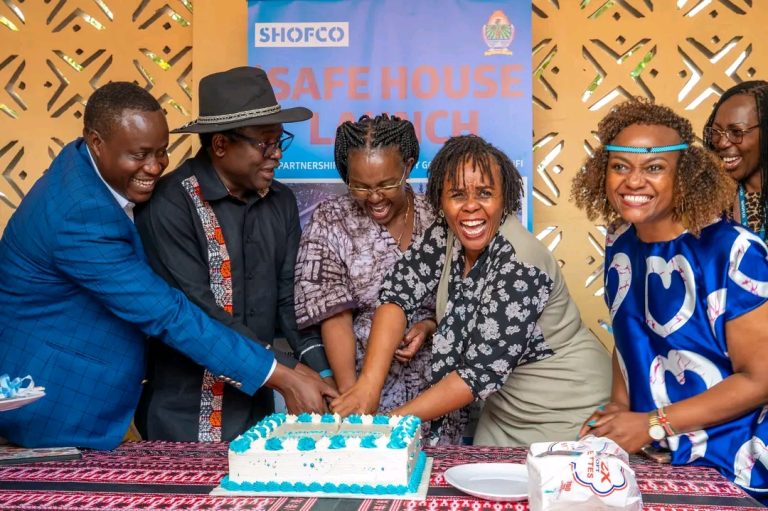
Omanga’s outreach extends beyond menstrual health. She has regularly engaged with women’s groups, youth organizations, and local communities, using mentorship and empowerment forums to encourage entrepreneurship, financial independence, and self-belief. Her message consistently emphasizes that economic empowerment is a pathway to stronger families and more resilient communities.
Her journey into public life was shaped by experience in business before she entered politics. That entrepreneurial background has influenced her approach to leadership, where investment, innovation, and community development go hand in hand. It has also reinforced her belief that sustainable change requires both economic opportunity and social responsibility.
Although her political career has included both appointments and electoral setbacks, Omanga has remained visible through community engagement rather than retreating from public service. Her continued presence at schools, community events, and charitable initiatives reflects a commitment to staying connected with the people she serves.
Her story also offers important lessons for aspiring women leaders. Resilience in the face of setbacks, the courage to reinvent oneself, and the willingness to invest in others are qualities that continue to define her public journey. Rather than allowing political losses to define her, she has expanded her influence through initiatives that create tangible impact.
Across Africa, where women leaders are increasingly combining public service with entrepreneurship and philanthropy, Omanga represents a growing model of leadership that extends beyond elected office. Whether through supporting girls’ education, promoting women’s empowerment, or investing in community wellbeing, her work underscores the power of using influence to create meaningful social change.
As conversations around inclusive leadership continue to grow, Millicent Omanga’s journey serves as a reminder that lasting impact is often measured not only by political achievements, but also by the lives transformed through service, compassion, and a commitment to empowering others.
About the Author