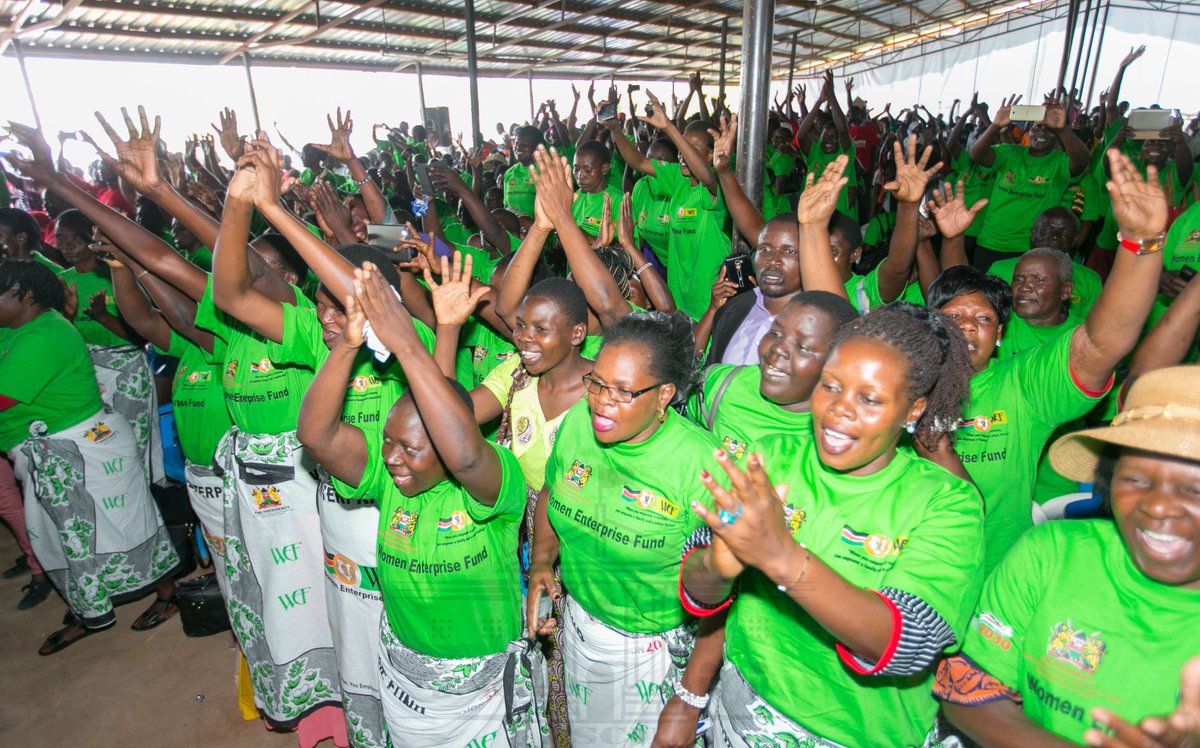
CS Hanna Cheptumo calls for greater uptake of the Women Enterprise Fund, saying affordable credit is helping women entrepreneurs grow businesses, create jobs, and improve household incomes.
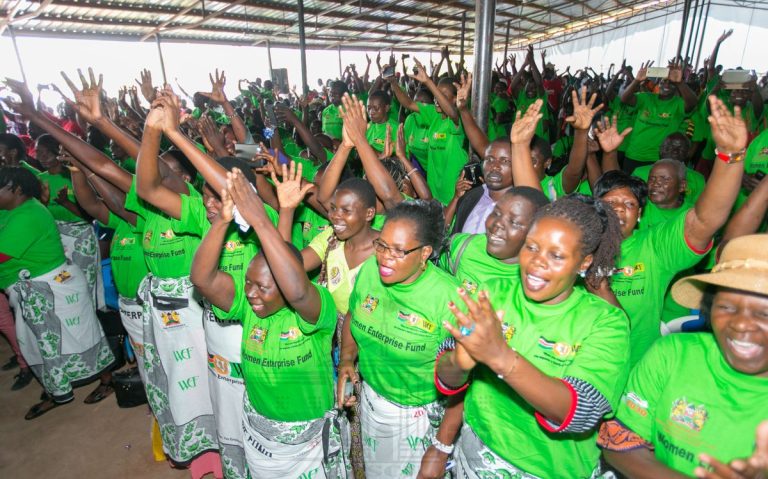
The Kenyan Government has renewed its call for women across the country to organise themselves into registered groups and take advantage of the Women Enterprise Fund (WEF), one of its flagship economic empowerment programmes aimed at supporting women-owned businesses through affordable credit, entrepreneurship training, and financial inclusion.
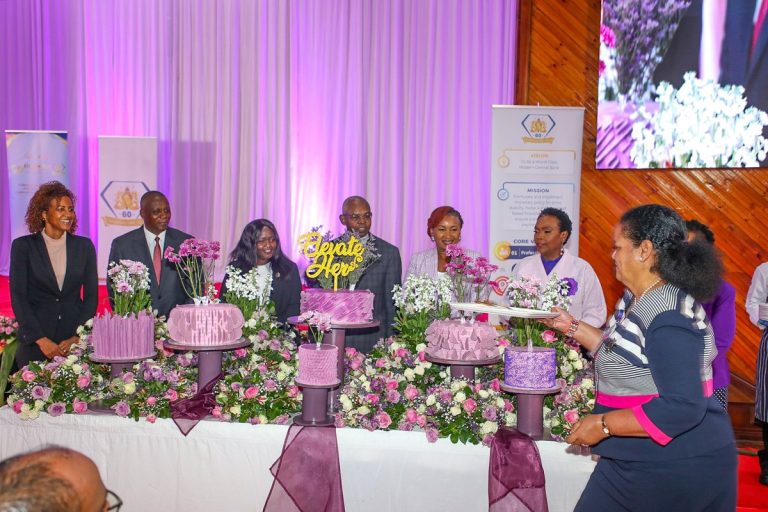
Speaking during the launch of National Government Affirmative Action Fund (NGAAF) projects in Baringo County, Cabinet Secretary for Gender, Culture, the Arts and Heritage Hanna Cheptumo urged women to seize the opportunities offered by the Fund to expand their businesses, create employment, and strengthen household incomes.
“Women must take full advantage of the Government’s economic empowerment programmes by organizing themselves into groups, accessing affordable credit, investing in productive enterprises, expanding their businesses and creating employment for their communities,” said Cheptumo.
Her remarks come as Kenya intensifies efforts to accelerate women’s economic participation, recognising that access to finance remains one of the biggest barriers facing women entrepreneurs, particularly in rural and underserved communities.
Women Enterprise Fund Continues to Drive Women’s Economic Empowerment
Established as a flagship programme under Kenya Vision 2030, the Women Enterprise Fund was created to improve women’s access to affordable financing while promoting entrepreneurship, wealth creation, and poverty reduction.
Unlike many conventional loans, the Fund provides low-interest, collateral-free credit through registered women’s groups, enabling women who may not qualify for traditional bank financing to start or expand businesses.
Beyond financing, the programme also offers entrepreneurship training, financial literacy, digital skills development, mentorship, and market linkages to help women build sustainable enterprises.
Over the years, the Fund has become one of Kenya’s most significant financial inclusion initiatives for women.
According to government data, the Women Enterprise Fund has:
- Disbursed more than KSh28 billion to over 2.28 million women across Kenya.
- Trained more than two million women in financial management, entrepreneurship, digital literacy, and business development.
- Enabled thousands of women-owned businesses to expand operations, create jobs, and increase household incomes.
- Improved women’s financial independence and participation in local economies.
Baringo’s Low Uptake Highlights Need for Greater Awareness
Despite the Fund’s nationwide success, uptake remains uneven across counties.
Cheptumo expressed concern that Baringo County continues to record relatively low borrowing levels despite the availability of affordable financing.
During the 2025/2026 Financial Year, Baringo County received only KSh14.15 million, benefiting 41 women groups with a total membership of 468 women.
The allocation included:
- Baringo North – KSh3.85 million
- Eldama Ravine – KSh3.1 million
- Baringo South – KSh2.7 million
- Baringo Central – KSh1.95 million
- Mogotio – KSh1.3 million
- Tiaty – KSh1.25 million
“This level of uptake remains far too low,” the Cabinet Secretary noted.
She encouraged more women to register organised groups and access the Fund to unlock business opportunities and contribute to local economic development.
Affordable Credit Is Helping Women Build Stronger Businesses
Across Kenya, affordable financing is enabling women entrepreneurs to invest in agriculture, retail, manufacturing, food processing, fashion, and other income-generating ventures.
Many beneficiaries have used Women Enterprise Fund loans to purchase equipment, increase stock, improve productivity, diversify products, and employ more people.
The programme has also strengthened women’s financial resilience by enabling them to pay school fees, improve family welfare, invest in assets, and reduce dependence on informal lenders charging high interest rates.
For rural women, who often face significant barriers to accessing commercial bank loans, the Fund has become an important pathway to entrepreneurship and economic independence.
Challenges Continue to Limit Full Impact
While the Women Enterprise Fund has transformed thousands of lives, several challenges continue to affect its reach and effectiveness.
One major barrier is low awareness, particularly in remote communities where many eligible women remain unaware of available financing opportunities.
Other challenges include:
- Bureaucratic loan processing procedures.
- Limited financial literacy among some applicants.
- Relatively low initial loan limits for businesses seeking to scale.
- The requirement to borrow through registered groups, which can present governance and coordination challenges.
- Diversion of business loans to urgent household expenses during periods of financial hardship.
Experts note that addressing these constraints will be critical to ensuring that more women can fully benefit from government-backed financing.
Government Plans to Expand the Fund
The Government is already taking steps to strengthen the programme.
Among the planned reforms are:
- Increasing the Fund’s capital from KSh6.05 billion to more than KSh10 billion by 2027.
- Digitising loan applications to reduce processing time.
- Expanding entrepreneurship and financial literacy training.
- Strengthening market linkages for women-owned businesses.
- Increasing loan limits to support business growth and job creation.
Cheptumo also announced that the 2026/2027 Women Enterprise Fund disbursement will officially be launched in Kabartonjo this August, opening a new funding cycle for eligible women’s groups.
Looking Ahead: Unlocking Women’s Entrepreneurial Potential
As Kenya works toward inclusive economic growth, the Women Enterprise Fund remains one of the country’s most important tools for advancing women’s entrepreneurship and financial inclusion.
However, the programme’s success will depend not only on increased government investment but also on greater awareness, stronger community mobilisation, and higher participation by women across all counties.
Cheptumo’s call for women to organise themselves into groups reflects a broader national agenda to ensure that affordable financing reaches more women entrepreneurs, particularly those in rural areas who have traditionally faced limited access to capital.
With expanded funding, digital lending, entrepreneurship training, and stronger support systems, the Women Enterprise Fund has the potential to help millions more women build thriving businesses, create employment, and contribute meaningfully to Kenya’s economic transformation.
For many women, affordable credit is not simply a loan—it is an opportunity to turn ideas into enterprises, strengthen livelihoods, and build a more prosperous future for their families and communities.
About the Author