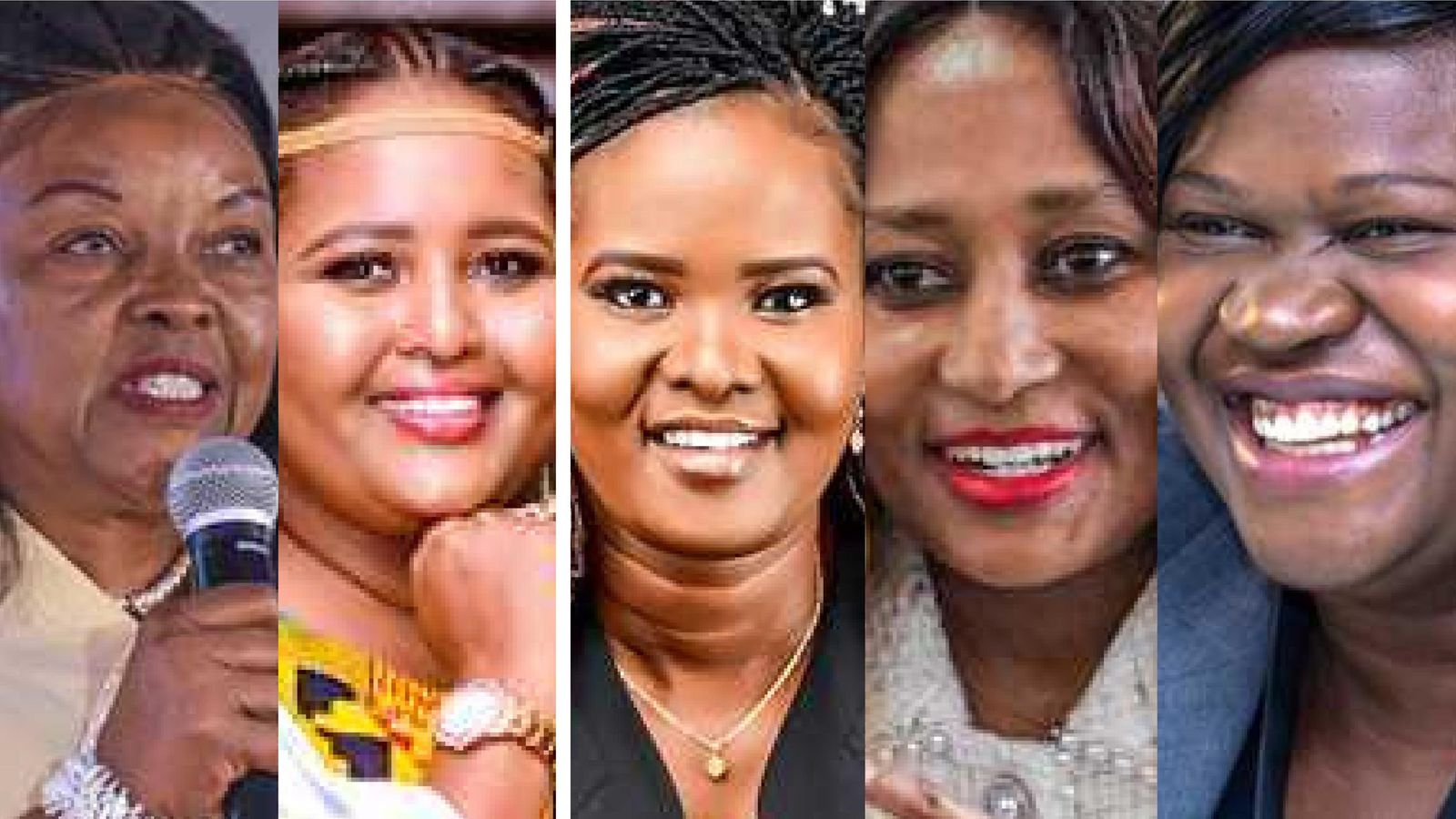
Despite constitutional guarantees of equality and growing recognition of the importance of women’s leadership, many Kenyan women continue to face significant barriers when seeking political office.
As African Women Network continues its Her Voice. Her Leadership. Kenya’s Future: Why the Two-Thirds Gender Rule Matters Now More Than Ever campaign, Day 4 focuses on the challenges preventing more women from participating in politics,and the actions needed to build a more inclusive democracy.
Women’s political participation is not simply about representation. It is about ensuring that decision-making reflects the experiences, needs, and aspirations of the entire population.
The High Cost of Running for Office
One of the biggest obstacles facing women candidates is campaign financing.
Running for political office in Kenya requires substantial financial resources for nominations, campaigns, logistics, publicity, and voter outreach. Yet women often have less access to funding, business networks, political patronage, and fundraising opportunities than their male counterparts.
Many qualified women abandon their political ambitions simply because they cannot afford to compete.
Creating dedicated campaign financing mechanisms, public funding, and incentives for political parties to support women candidates can help level the playing field.
Political Violence and Online Harassment
Politics remains a hostile environment for many women.
Female candidates frequently experience intimidation, hate speech, cyberbullying, character assassination, and gender-based violence before, during, and after elections.
Online abuse has become particularly concerning, with women leaders often subjected to sexist attacks, threats, and misinformation designed to discourage their participation.
A democracy cannot thrive when half the population fears participating in public life.
Governments, political parties, law enforcement agencies, media platforms, and citizens all have a responsibility to prevent violence against women in politics and hold perpetrators accountable.
Harmful Gender Stereotypes
Deep-rooted cultural beliefs continue to portray politics as a male domain.
Women who seek leadership positions are often judged more harshly than men, while balancing expectations related to caregiving, family responsibilities, and community roles.
These stereotypes discourage many capable women,especially young women,from pursuing political careers.
Changing attitudes begins with families, schools, faith communities, the media, and political institutions that actively promote women’s leadership as normal, valuable, and necessary.
Male-Dominated Political Parties
Political parties remain the primary gateway to elective office.
However, many women continue to face challenges securing party nominations, leadership positions, and meaningful support within party structures.
Strengthening internal party democracy, enforcing gender quotas, and ensuring fair nomination processes can significantly increase women’s participation.
Investing in Future Women Leaders
Mentorship remains one of the most powerful tools for increasing women’s representation.
Experienced women leaders can equip emerging leaders with practical skills in campaigning, fundraising, public speaking, policy development, negotiation, and governance.
Leadership development programmes also help build confidence and create networks that support women throughout their political journeys.
Building Institutions That Work for Everyone
Women’s political participation also depends on institutions that recognise the realities many women face.
Flexible parliamentary schedules, childcare facilities, family-friendly workplaces, and inclusive legislative environments can remove barriers that disproportionately affect women with caregiving responsibilities.
Inclusive institutions create better leaders,and better governance.
Five Actions to Accelerate Women’s Political Participation
To close the leadership gap, Kenya should prioritise:
- Implementing the Two-Thirds Gender Rule across all public institutions.
- Expanding campaign financing and financial support for women candidates.
- Preventing and prosecuting violence against women in politics, both online and offline.
- Investing in mentorship, leadership development, and civic education for young women.
- Reforming political parties to promote equal opportunities in nominations and leadership.
Kenya’s Future Depends on Inclusive Leadership
Women’s leadership strengthens democracy, improves governance, and drives sustainable development.
As Kenya prepares for the 2027 General Election, breaking down barriers to women’s political participation is no longer optional,it is essential for fulfilling the promise of the Constitution and building a more inclusive nation.
Every woman who steps forward to lead inspires another to believe that leadership is possible.
Her Voice. Her Leadership. Kenya’s Future.
Because when women lead, Kenya moves forward.
About the Author