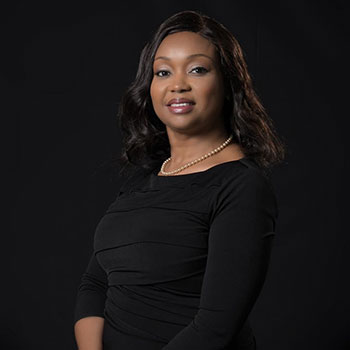

Janet Mbugua has officially stepped down from her role at Nation Media Group, exiting the popular morning programme Fixing The Nation just over a year on air.
Her departure was announced live during her final broadcast on April 17, where she co-hosted alongside Eric Latiff and Mariam Bishar.
The moment marked the end of a significant chapter in her media career,one defined not just by journalism, but by purpose-driven storytelling and civic engagement.
Mbugua joined Fixing The Nation at a time of heightened national discourse, positioning the show as a platform to bridge media and civic responsibility.
Known for her strong voice on governance, gender equality, and social justice, she described the role as a natural extension of her advocacy work. “It felt like a natural fit to continue with that advocacy and active citizen lens and bring it onto a mainstream platform,” she noted during her farewell.
The programme, which airs weekday mornings from 6 a.m. to 10 a.m., has carved out a niche in Kenya’s media space by focusing on solution-driven conversations,bringing together policymakers, experts, and everyday citizens to unpack the country’s most pressing issues.

Despite her relatively short tenure, Mbugua framed her exit as both intentional and necessary. She revealed that her decision to leave earlier than her typical three-to-seven-year commitment cycle reflects a shift in personal and professional priorities.
While she did not outline specific next steps, her departure signals a recalibration toward initiatives that align more closely with her long-term impact goals.
Importantly, Mbugua made it clear that stepping away from mainstream media does not mean stepping away from public engagement. She intends to remain active on digital platforms, continuing conversations around governance, social justice, and citizen participation.
Beyond journalism, Janet Mbugua has built a strong legacy as a gender equality advocate. Through her foundation, Inua Dada Foundation, she has led impactful initiatives focused on menstrual health management, ending period poverty, and protecting the rights of the girl child. Her work has contributed to shifting national conversations around menstrual equity, an issue she has consistently pushed into policy and public discourse spaces.
This advocacy remains central to her identity and is expected to take even greater focus following her exit from television. Mbugua used her final broadcast to introduce her successor, Fellaris Wambui, urging audiences to extend the same support and engagement they had shown her. Wambui steps into the role with a hybrid background in media and over a decade of experience in corporate communications and brand management. Her transition into the show signals a blend of editorial insight and strategic communication,qualities that align with the programme’s evolving format.
Acknowledging the weight of the role, Wambui described her entry as both exciting and humbling. “I’m stepping into very big shoes… each of us has a part to play when it comes to fixing this nation, and I’m here to do exactly that,” she said, also expressing admiration for Mbugua as a long-standing role model.
Janet Mbugua’s exit from Fixing The Nation marks more than just the end of a hosting role,it underscores a broader evolution in her career, from newsroom anchor to influential public voice and advocate. As she steps into her next chapter, her influence is expected to remain firmly rooted in shaping conversations that matter,particularly those affecting women, youth, and marginalized communities across Kenya.
About the Author