
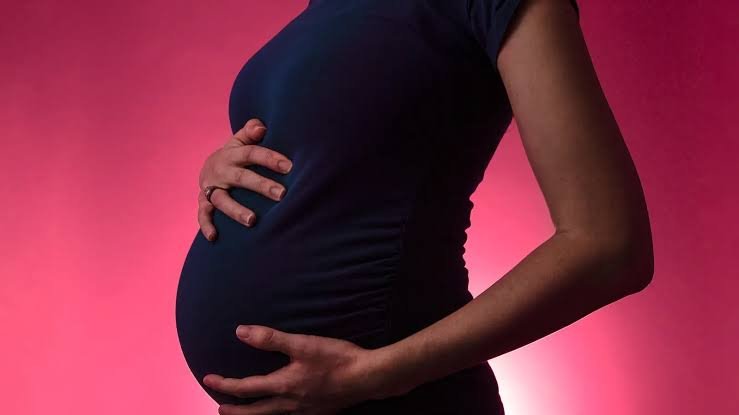
Extreme heat is emerging as a growing threat to maternal and newborn health across Africa, with pregnant women, newborns and healthcare workers increasingly exposed to the effects of rising temperatures and prolonged heatwaves.
In response, the United Nations Population Fund (UNFPA) and the Government of Rwanda convened midwives and health leaders from 18 countries in Kigali in November 2026 to explore practical ways of making maternity facilities more resilient to climate change.The gathering comes amid growing scientific evidence linking extreme heat to adverse pregnancy outcomes, including preterm births, stillbirths and pregnancy-related complications.
According to research cited by UNFPA, every 1°C increase in heat exposure is associated with an approximately 4 per cent rise in the risk of preterm birth.
A separate finding highlighted in the report indicates that a 1°C temperature increase during the week before delivery raises the risk of stillbirth by 6 per cent.
The findings highlight the growing intersection between climate change and women’s reproductive health, particularly in African communities where healthcare facilities often lack adequate cooling, ventilation and other essential infrastructure.
Why pregnant women are particularly vulnerable to extreme heat
Pregnancy changes how the body regulates temperature, making expectant mothers more susceptible to heat stress and dehydration.
Beyond the immediate physical effects, prolonged exposure to extreme temperatures can increase the risk of hypertensive disorders during pregnancy, including pre-eclampsia and gestational hypertension.
The effects extend beyond individual health outcomes. High temperatures can disrupt water supplies, affect the storage of temperature-sensitive medicines such as oxytocin and place additional pressure on already stretched healthcare facilities.
Climate-related household pressures can also worsen existing gender inequalities and contribute to conditions associated with increased gender-based violence.
For women in rural and underserved communities, these challenges are compounded by long distances to health facilities, limited access to specialised maternal care and inadequate infrastructure.
Midwives are on the frontline of the climate crisis
As Africa confronts the health consequences of climate change, midwives are emerging as essential frontline responders.Their daily interactions with pregnant women and newborns place them in a unique position to identify changing health patterns, recognise emerging risks and develop practical interventions suited to local healthcare settings.
Jane Francis Acam, a midwife from Uganda, described how prolonged drought and extreme heat have affected the communities she serves.She reported observing increased cases of miscarriages, preterm births and stillbirths following a severe drought in Uganda, prompting her to reconsider the possible relationship between heat exposure and maternal health outcomes.
She also highlighted overcrowded antenatal clinics with inadequate shade and ventilation, where pregnant women often spend extended periods waiting for medical attention.
The experiences shared in Kigali reflect the challenges facing healthcare workers across the continent.A 2024 survey by the International Confederation of Midwives found that 76 per cent of midwives reported that the climate crisis had negatively affected their work, contributing to stress, burnout and displacement.
Healthcare workers in extremely hot maternity wards also face dehydration, heat exhaustion and fatigue, particularly when working in protective equipment that traps body heat.
These conditions can affect concentration, clinical decision-making and the quality of care provided to mothers and newborns.Low-cost solutions could make maternity facilities safer.
At the Kigali consultation, participants explored practical measures that African countries can introduce to protect maternal and newborn health during heatwaves.
Christa Ishimwe, Climate and Health Lead at Rwanda’s Ministry of Health, called for a practical Heat-Health Protocol that translates scientific evidence into clinical guidelines, facility improvements and early warning systems that healthcare workers can use.
Among the proposed interventions are:Solar-powered cooling systems for maternity wards.
Improved natural ventilation and shaded waiting areas.
Reliable access to safe drinking water for patients and healthcare workers.
Routine temperature monitoring in health facilities.
Better cold-chain management for heat-sensitive medicines.
Planting shade trees around hospitals and health centres.
Heat-reflective paint on roofs and walls to reduce indoor temperatures.
Participants also highlighted the importance of taking maternal healthcare closer to women in remote communities.
Mobile health programmes in Tanzania and Zambia provide examples of how essential maternal services can reach women who face difficulties travelling to healthcare facilities, particularly during extreme weather conditions.
UNFPA calls for stronger investment in climate-resilient maternal healthcare
Building climate-resilient healthcare systems will require more than emergency responses during heatwaves. It will involve strengthening existing health services through sustained investment in infrastructure, skilled healthcare workers and policies that recognise climate change as a maternal health challenge.
UNFPA, the World Health Organisation and other partners have also introduced Priority Indicators to Monitor the Impact of Heat Exposure on Maternal, Newborn and Child Health.
The framework is designed to help governments monitor temperature exposure alongside health outcomes, including preterm births, stillbirths, low birth weight and facility-based mortality.
It also encourages countries to assess their preparedness through heat early-warning systems and vulnerability assessments, helping healthcare facilities anticipate risks and respond more effectively.
For African women, the growing climate crisis is not only an environmental issue. It is increasingly a question of reproductive health, healthcare access, safety and the right to give birth in conditions that protect both mother and child.
As temperatures continue to rise, protecting pregnant women and newborns will require governments to put maternal health at the centre of climate adaptation policies.
The role of midwives will be particularly important. Supporting them with training, adequate resources, and climate-resilient facilities could help ensure that extreme heat does not become an additional threat to safe childbirth across Africa.