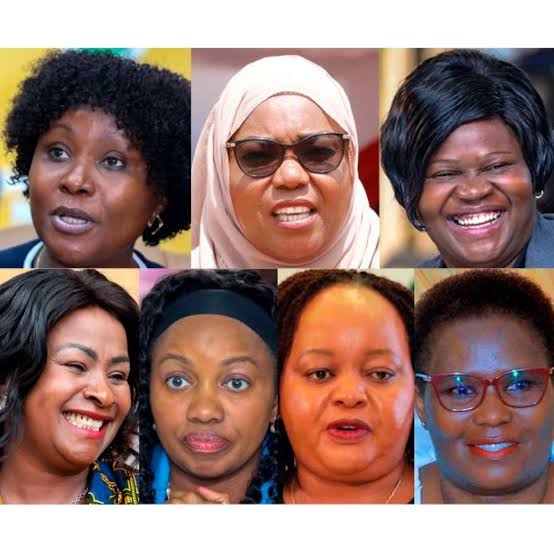
Kenya’s women governors are stepping up efforts to secure the implementation of the constitutional two-thirds gender rule, building cross-party alliances to push for the passage of two constitutional amendment Bills before the 2027 General Election.
The initiative, led by the group of women governors known as the G7, brings together leaders from different political parties around a shared objective,aimed at ensuring women have a stronger and constitutionally protected place in Kenya’s political leadership.
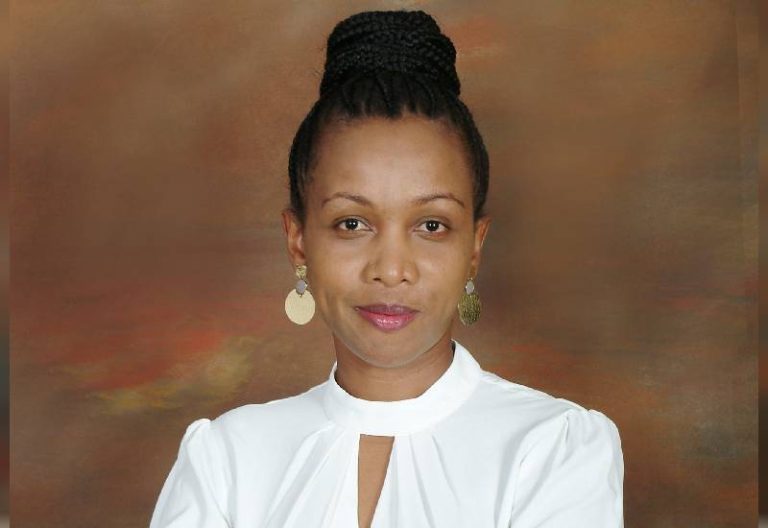
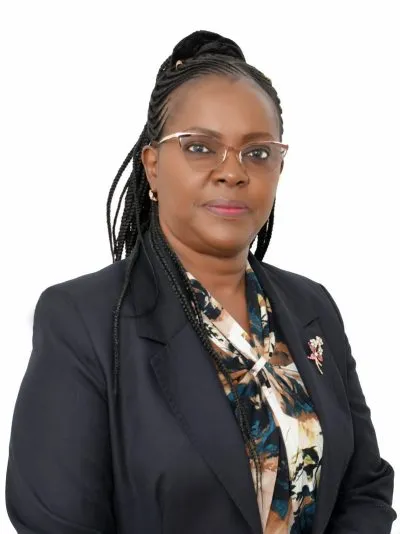
According to a report published by Nation on October 18, 2026, the coalition includes Homa Bay Governor Gladys Wanga, Machakos Governor Wavinya Ndeti, Nakuru Governor Susan Kihika, Kwale Governor Fatuma Achani, Kirinyaga Governor Anne Waiguru and Embu Governor Cecily Mbarire.
Their efforts come as Kenya approaches another election cycle, with the question of women’s representation remaining a significant test of the country’s commitment to gender equality and constitutional governance.
The Two-Thirds Gender Rule: A Constitutional Obligation
Kenya’s Constitution provides that no more than two-thirds of the members of elective or appointive bodies should be of the same gender. Article 27 guarantees equality and freedom from discrimination, while Article 81(b) specifically establishes the gender principle for elective public bodies.
However, translating these constitutional commitments into effective representation has remained a longstanding challenge, particularly in elective political offices.
Women’s leadership advocates have consistently argued that the issue is not simply about increasing the number of women in politics. It is also about ensuring women can participate in decision-making, shape public policy and influence the priorities that determine the country’s future.
Kirinyaga Governor Anne Waiguru and Homa Bay Governor Gladys Wanga have emphasised that implementing the two-thirds gender principle is a constitutional obligation, not a favour granted to women.
That distinction is important. Women’s political representation is not merely a political concession; it is part of the constitutional framework governing equality and public leadership in Kenya.
Why Cross-Party Support Matters
The G7 initiative highlights the importance of cooperation across political divides when pursuing reforms that affect women’s participation in governance.
Kenyan politics is often shaped by party competition and shifting alliances. Building support across these boundaries could help the proposed Bills attract wider political backing.
But the success of the initiative will depend on more than public commitments. It will require lawmakers to support the proposed legislation, build consensus and take the necessary parliamentary steps to advance constitutional implementation before the 2027 polls.
For women seeking elective office, the outcome could have implications for access to political opportunities and the broader debate over how Kenya ensures gender balance in public institutions.
Beyond Representation: Women’s Place in Kenya’s Future
Women’s participation in leadership affects decisions across sectors, including education, healthcare, economic opportunity, security and the protection of women’s rights.
Greater representation does not automatically guarantee gender-responsive policies. However, excluding women from decision-making limits the range of experiences and perspectives represented in public institutions.
The G7 governors’ initiative therefore raises a question that extends beyond party politics: how can Kenya claim progress on gender equality when a constitutional commitment to fair representation remains difficult to implement?
As the 2027 General Election approaches, the focus will be on whether the proposed Bills can move beyond political advocacy and secure meaningful legislative progress.
For Kenya’s women and girls, the stakes extend beyond the next election. They concern the kind of political system the country is building,and whether women’s constitutional right to participate in leadership will be reflected more fully in practice.
African Women Network will continue to follow the women shaping Kenya’s political future and the progress towards gender equality in leadership.
About the Author