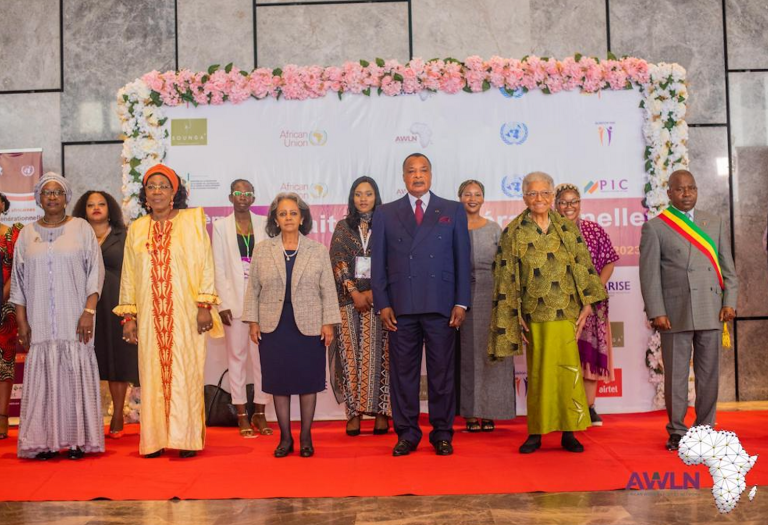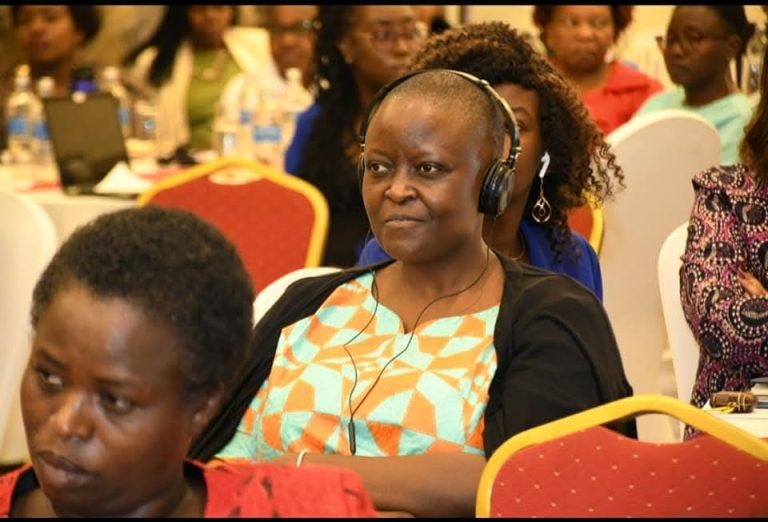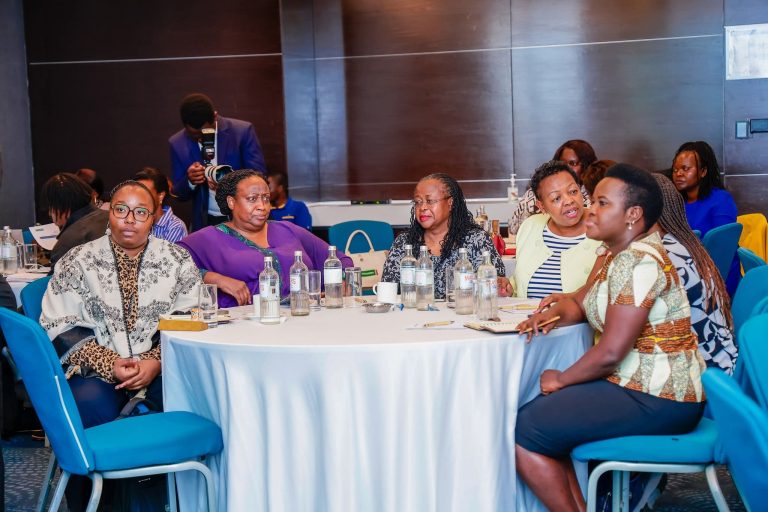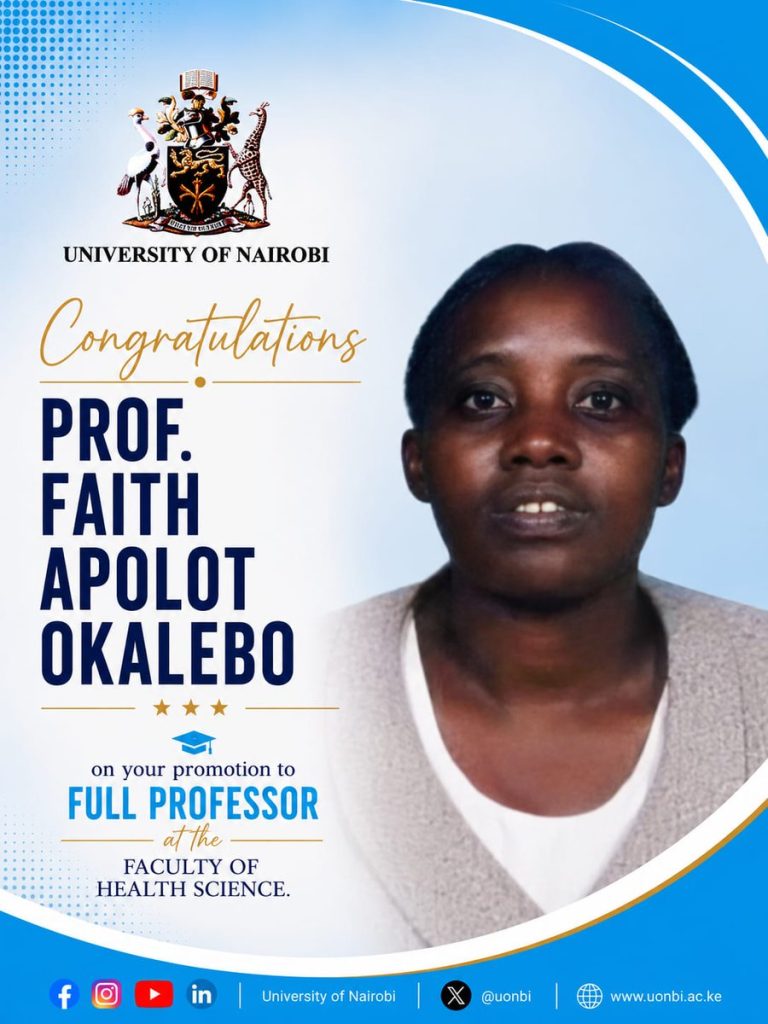
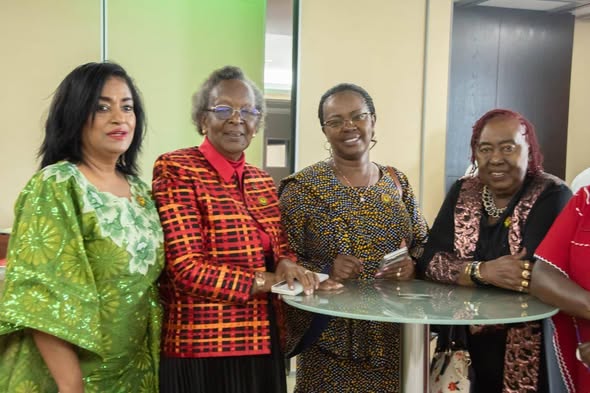
Women leaders from across Africa gathered in Luanda, Angola, for the Pan-African Women’s Organisation (PAWO) meeting to advance gender equality, women’s leadership, and socio-economic empowerment.
Founded in 1962, PAWO remains Africa’s oldest continental women’s movement and has played a historic role in championing women’s rights, liberation movements, political participation, and development across Africa.
Kenya was represented by a high-level delegation led by Anne Wang’ombe on behalf of Gender Cabinet Secretary Hanna Wendot Cheptumo. The delegation included National Gender and Equality Commission (NGEC) Chairperson Hon. Rehema Jaldesa, Esther Passaris, Margaret Kamar, Zipporah Kittony, Rahab Mwikali Muiu, and other eminent women leaders.
Hon. Rehema Jaldesa said Kenya’s participation reaffirms the country’s commitment to strengthening women’s leadership and advancing equality and inclusion for women and girls across the continent.
Kenya’s participation comes at a critical moment as the country continues to grapple with persistent gender equality challenges despite constitutional and policy commitments.
Among the key concerns is the continued failure to fully implement the two-thirds gender principle in elective and appointive positions. Women remain underrepresented in leadership spaces, raising questions about political will, institutional accountability, and enforcement of constitutional provisions.
The country is also facing a growing crisis of femicide and gender-based violence, with activists and women’s rights organisations calling for urgent state-led interventions, stronger protection systems, and increased accountability.
Stakeholders have also raised concerns about inadequate and unsustainable financing for women’s rights organisations and gender equality programmes, many of which remain heavily donor-dependent.
At the same time, climate change continues to disproportionately affect women, particularly those in rural communities and informal economies, yet women remain underrepresented in climate financing and decision-making processes.
Observers say Kenya’s presence at PAWO should go beyond symbolic participation and translate into concrete, measurable commitments on gender equality, women’s protection, political representation, and economic inclusion.
Questions have also emerged around Kenya’s position on the CEVAWG Charter, a continental framework aimed at ending violence against women and girls, with calls for clearer commitments and implementation timelines.
As discussions continue in Luanda, women leaders across Africa are expected to push for stronger accountability mechanisms, increased investment in women-led initiatives, and renewed continental solidarity in advancing the rights and leadership of African women.
The meeting also highlights the growing urgency for African governments to move beyond policy declarations and accelerate action towards achieving meaningful and lasting gender equality.
About the Author