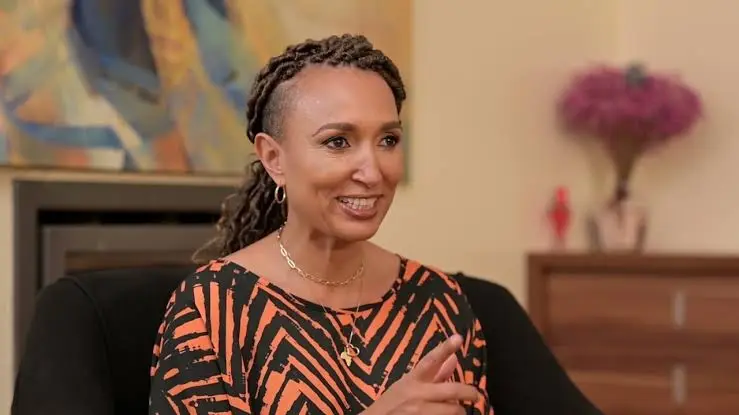
Wandia Gichuru is the Co-Founder and CEO of Vivo Fashion Group, a fashion retail business founded in 2011.
From global development work to building one of East Africa’s leading fashion brands, Wandia Gichuru’s journey reflects resilience, reinvention, and a strong belief in creativity and entrepreneurship.
Wandia was born in Montreal, Canada, to a Kenyan father and Canadian mother, before later growing up in Kenya. She attended Kilimani Primary School and Loreto Convent Msongari before pursuing higher education abroad.
She earned a degree in Economics from the University of Western Ontario and later completed an MBA at the University of Cape Town in 1996.
Her education gave her global exposure and sharpened her understanding of economics, leadership, and business strategy, skills that would later shape her entrepreneurial journey.
Before becoming a fashion entrepreneur, Wandia spent over 15 years working in international development and finance. She held positions with major global institutions, including the World Bank, United Nations Development Programme, and the UK government’s Department for International Development.
She also worked at JPMorgan in London and had earlier roles at the Kenya Wildlife Service and Citibank.
Although successful in her corporate career, Wandia felt increasingly drawn toward entrepreneurship and creating direct impact in Africa through job creation and local enterprise.
The Birth of Vivo Fashion Group
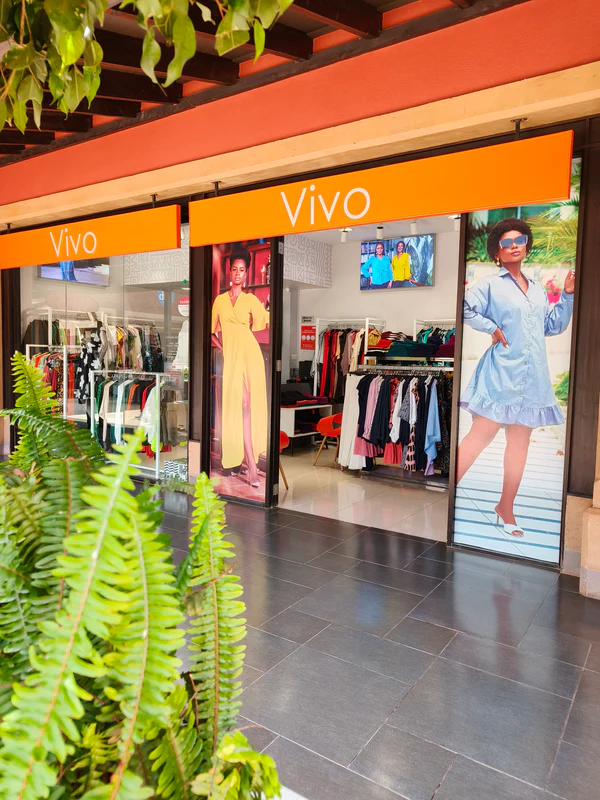
In 2011, Wandia made a bold decision to leave the corporate world and co-found Vivo Fashion Group alongside Anne-Marie Burugu.
At the time, the African fashion retail market had a major gap. Many women struggled to find stylish, affordable, and comfortable clothes designed specifically for African body types and lifestyles.
Wandia saw an opportunity to create a truly African fashion brand, one that celebrated African women while producing quality clothing locally. What started as a small business quickly evolved into one of East Africa’s biggest fashion retail brands.
Today, Vivo Fashion Group includes: Vivo Woman, Safari by Vivo and Zoya. The company operates more than 30 stores across Kenya, Uganda, Rwanda, and the United States, including a flagship store in Atlanta.
Wandia built Vivo through strategic thinking, deep customer understanding, and strong brand identity. From the beginning, the company focused on African women by creating clothes that reflected local tastes, body shapes, lifestyles, and weather conditions. This customer-centred approach helped Vivo earn strong loyalty across the region.
A major part of Vivo’s success has been its commitment to local manufacturing. Much of the brand’s clothing is produced in Kenya, creating jobs and supporting local industries. Wandia has consistently championed “Made in Africa” products and strongly believes African brands can compete on the global stage.
Rather than positioning Vivo as a luxury label, the company focused on affordable, stylish fashion for middle-class African women seeking both quality and accessibility. Vivo also expanded aggressively through physical retail stores across East Africa, giving customers direct access to the brand and increasing its visibility.
Beyond fashion, Wandia built Vivo into a symbol of confidence, empowerment, and modern African identity. She later co-founded ShopZetu, a multi-brand e-commerce platform supporting African fashion, beauty, and accessory brands. The platform helped many African entrepreneurs gain visibility and scale their businesses, later securing funding and partnering with Safaricom to integrate with the M-Pesa Super App.
Wandia also became widely known through her role as an investor and mentor on KCB Lion’s Den, where she supported emerging startups. In addition, she is a certified life coach and business mentor who actively empowers young entrepreneurs and women leaders.
Her entrepreneurial journey, however, came with significant challenges. Leaving a stable international career for entrepreneurship involved financial uncertainty and emotional risk. Building a manufacturing business in Africa also meant dealing with high production costs, taxation challenges, infrastructure gaps, and supply chain difficulties. Despite this, Wandia remained committed to local production even when importing products would have been easier.
She also faced the challenge of proving that African fashion brands could meet international quality standards. Like many businesses, Vivo navigated economic downturns and the disruptions caused by the COVID-19 pandemic while managing operations across several countries.
Over the years, Wandia’s achievements have earned both continental and global recognition. She helped grow Vivo into one of East Africa’s leading fashion retailers, expanded the brand internationally with a store in Atlanta, and created employment opportunities for hundreds of people through local manufacturing. Through ShopZetu, she also contributed to the growth of African SMEs and digital commerce.
Her accomplishments earned her recognition on the Forbes 50 Over 50 Global list, as well as Kenya’s Order of the Grand Warrior award in 2021. Today, she is widely respected as a leading voice in African entrepreneurship, women’s economic empowerment, and the future of African-owned brands.
Wandia’s journey offers important lessons for African women. Her story shows that it is never too late to reinvent oneself and pursue a new path. She demonstrated that African entrepreneurs can build world-class businesses by solving local problems instead of copying foreign models. Her career also highlights that purpose and profit can coexist, with businesses serving both economic and social impact.
Through consistency, patience, and strategic growth, Wandia built a strong and recognisable brand over time. Most importantly, she continues to inspire African women to pursue leadership, create wealth, and take up space in industries traditionally dominated by men.
Changing the African Narrative
At the heart of Wandia Gichuru’s work is a mission to transform how Africa sees itself and how the world sees Africa.
Through fashion, entrepreneurship, mentorship, and storytelling, she has helped prove that African creativity, talent, and enterprise can thrive globally.
Her journey remains one of the strongest examples of how African women are building businesses that combine impact, innovation, and identity while reshaping industries across the continent.
About the Author