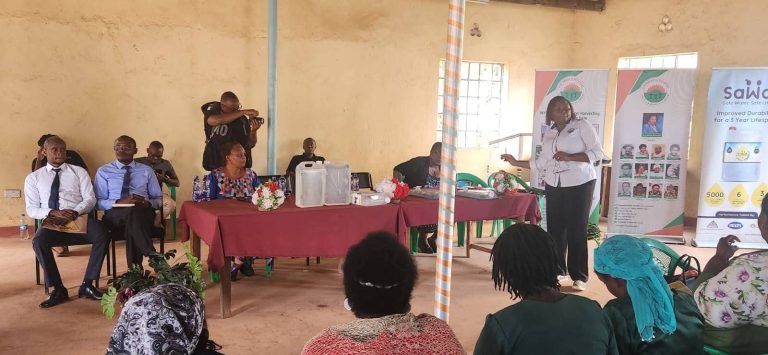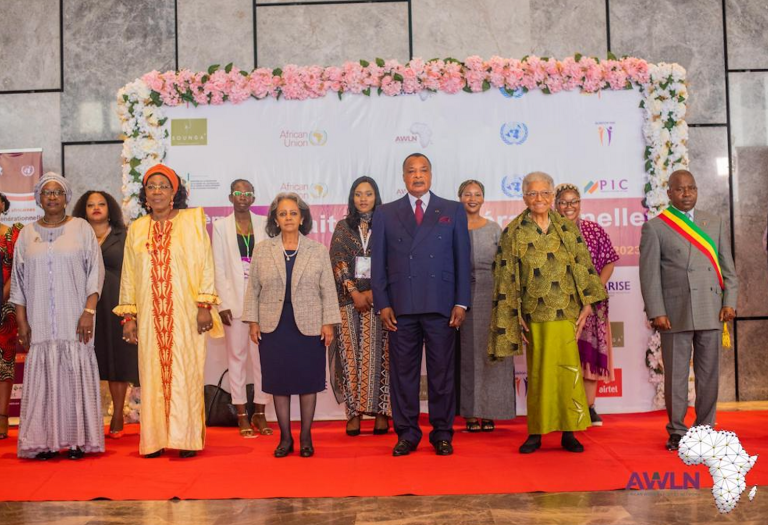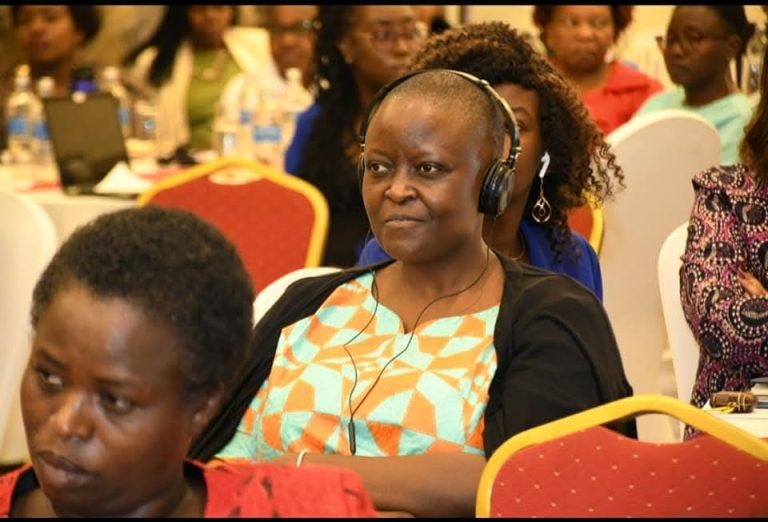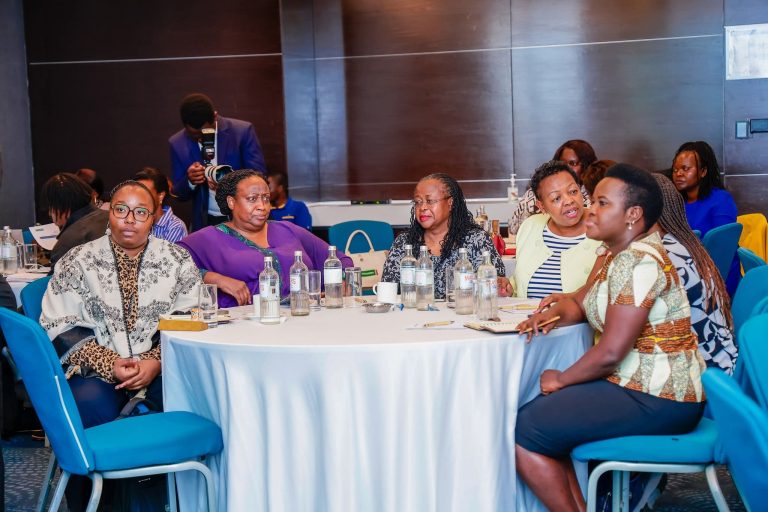
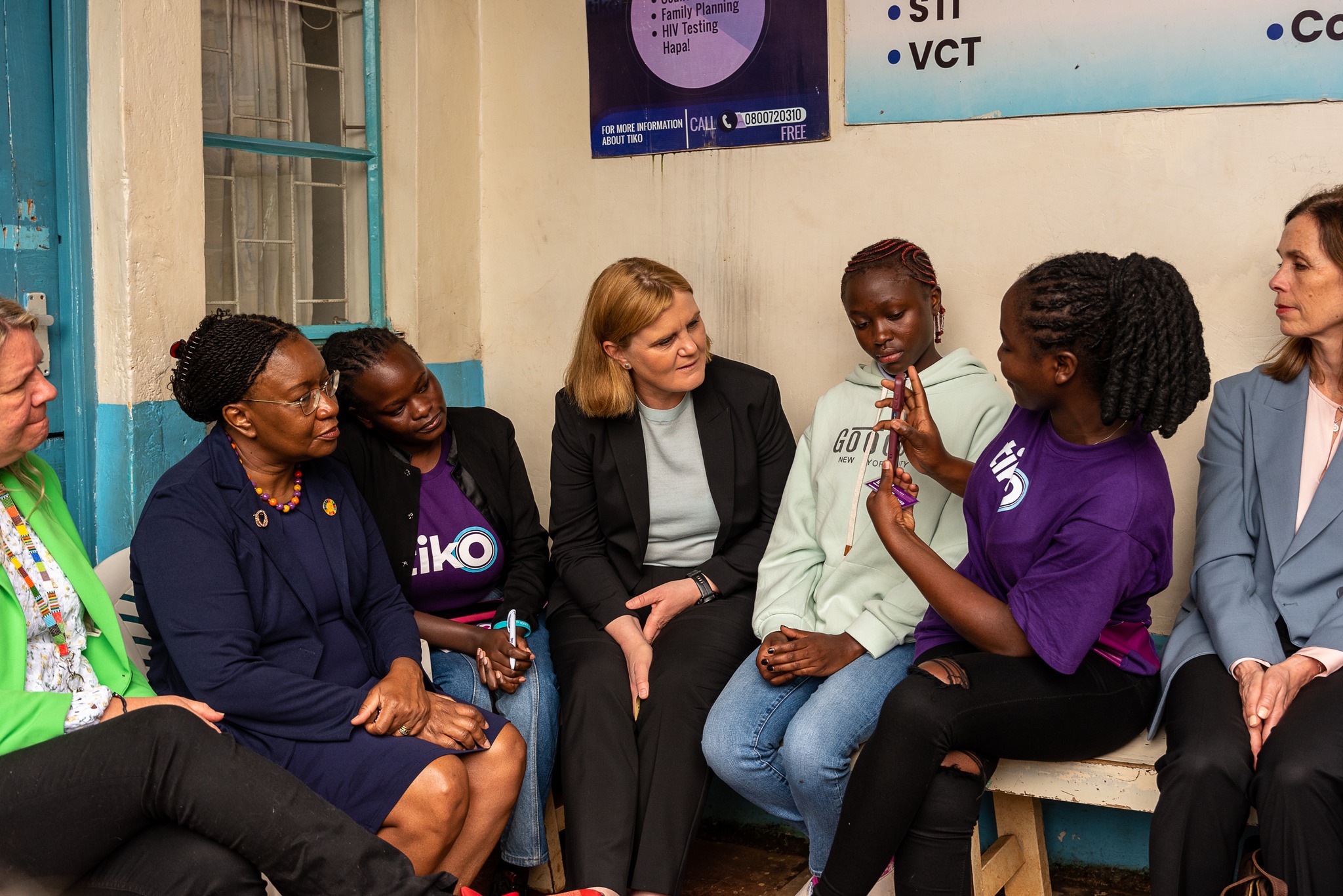
Over 2,300 girls in Kibera accessed free health, education, and protection services through the Tiko platform in 2026, improving their future opportunities.
The initiative, supported by UNFPA Kenya and Norway in Kenya, addresses critical challenges affecting adolescents, including sexual and reproductive health issues, gender-based violence (GBV), HIV infections, and teenage pregnancies.
Through the programme, girls in Kibera have been connected to youth-friendly healthcare, HIV prevention and treatment services, counselling, and protection support, enabling them to make informed decisions about their health and future.
The intervention forms part of the broader Adolescent Sexual and Reproductive Health Development Impact Bond, which seeks to strengthen access to integrated services for adolescent girls and young women across Kenya and Africa.
Tiko, a non-profit organisation founded in 2014, has spent the last decade transforming adolescent healthcare delivery through technology-driven solutions that connect young people to essential services. The organisation works closely with local communities, peer mobilisers, and healthcare providers to strengthen existing healthcare systems rather than create parallel structures.
According to Tiko, its ecosystem approach helps break down barriers that often prevent girls from accessing care, while also improving efficiency, accountability, and impact measurement through real-time verified data.
Over the years, the organisation has grown into a large-scale platform connecting more than one million girls annually to free contraception, HIV prevention, and treatment services across Africa.
However, Tiko says the growing challenges facing adolescent girls demand even more integrated responses, particularly in addressing the “triple threat” of unintended pregnancies, HIV infections, and sexual violence.
“True equality means reversing the ripple effects of the triple threat so that girls can choose where and how they meet their healthcare needs,” said Serah Malaba and Benoit Renard, Co-CEOs of Tiko.
The organisation says it remains committed to delivering community-led and girl-centred solutions that respond to the changing realities facing Africa’s youth.
By 2030, Tiko aims to impact the lives of 3.5 million girls annually across Africa through expanded access to healthcare, protection services, and empowerment programmes.
The Kibera initiative highlights the growing importance of locally rooted, technology-enabled solutions in improving adolescent health outcomes and protecting vulnerable girls from exploitation, violence, and preventable health risks.
About the Author