The COSME project is empowering women to lead climate solutions, restore ecosystems, strengthen livelihoods, and build resilient coastal communities.
Implemented by Plan International Kenya in partnership with the Jane Goodall Institute Canada and other stakeholders, the Conservation and Sustainable Management of Coastal and Marine Ecosystems (COSME) project focuses on the counties of Kwale and Kilifi, regions where climate change has significantly disrupted traditional sources of income and environmental stability.
One of the most visible impacts of the COSME project is the transformation of women’s economic opportunities. By introducing and strengthening climate-resilient livelihoods such as sustainable seaweed farming, mangrove restoration, and conservation agriculture, the project is helping women move from vulnerability to stability.
Seaweed farming, in particular, has become a critical income stream for many women. With improved training, access to better seaweed varieties, and connections to structured markets, women are now able to earn more consistent incomes. This financial stability supports essential household needs, including food security, healthcare, and children’s education.
Restoring Ecosystems While Building Resilience
The COSME project’s nature-based solutions approach ensures that environmental restoration and economic empowerment go hand in hand.
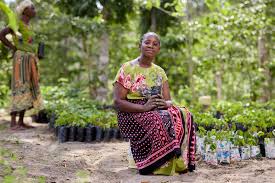
Mangrove forests, once degraded, are being restored through community-led efforts. These ecosystems act as natural barriers against coastal erosion, protect marine biodiversity, and serve as critical carbon sinks. For women, this work translates into both environmental stewardship and diversified income streams.
Similarly, locally led forest management initiatives are helping communities conserve vital ecosystems while promoting sustainable resource use. These efforts reduce environmental degradation and strengthen resilience against climate shocks.
Expanding Economic Access and Social Impact
A major barrier for many women in coastal communities has been limited access to markets and financial services. COSME addresses this gap by linking women-led enterprises to high-value markets and strengthening their participation in formal economic systems.
Through gender-responsive market assessments and business development support, women are better positioned to scale their activities. Access to financial tools, such as savings groups and credit facilities, further enhances their ability to invest, grow, and sustain their businesses.
The project’s impact also extends into the social fabric of communities. By integrating gender equality, health, and education into its programming, COSME is improving the overall quality of life.
Women receive training in sexual and reproductive health rights, economic empowerment, and gender equality, enabling informed decision-making at both household and community levels. Gender-transformative approaches are also helping shift long-standing social norms that limit women’s participation and autonomy.
Practical interventions, including clean energy technologies and improved water access, are reducing the burden of unpaid care work while improving health outcomes.
Building Inclusive Systems for Long-Term Change
At a structural level, COSME is supporting more inclusive governance systems. Communities are guided to develop participatory, gender-responsive climate adaptation and conservation plans.
Youth and children are also actively engaged through climate education programmes, ensuring the next generation is equipped to sustain and expand these gains. The project further strengthens regional collaboration by facilitating knowledge exchange between communities in Kenya and Tanzania.
A Model for Inclusive Climate Action
The COSME project demonstrates that climate action, when designed with inclusion at its core, can deliver both environmental and social returns. By placing women at the centre, it not only addresses immediate climate challenges but also reshapes the long-term trajectory of coastal communities.
Women who once faced economic uncertainty are now emerging as entrepreneurs, environmental stewards, and community leaders.
Ultimately, COSME represents a broader shift toward equitable and sustainable development—where women are not just beneficiaries, but drivers of change. As climate challenges intensify, this model offers a clear pathway toward stronger ecosystems, resilient economies, and more inclusive societies.
About the Author