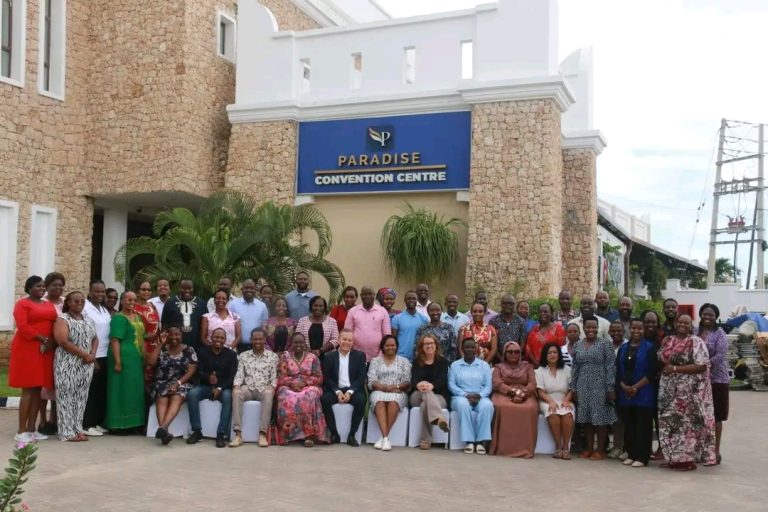
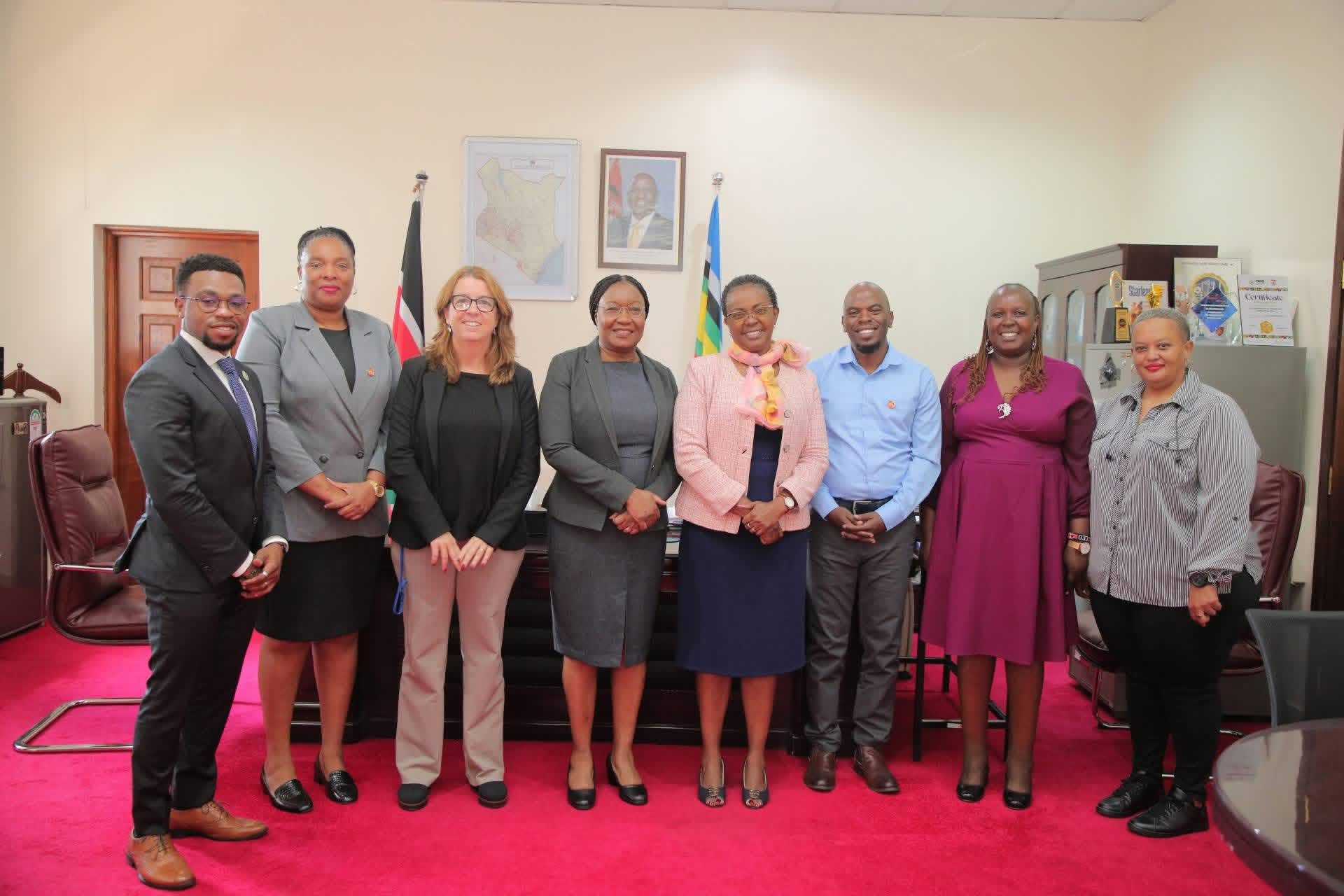
The Ministry of Gender, Kenya, has strengthened its collaboration with the UNFPA following a high-level consultative meeting to review progress under the country’s 10th Country Programme.
The meeting, led by Lydia Zigomo, Regional Director for East and Southern Africa, provided a strategic platform to assess ongoing joint programmes focused on eliminating gender-based violence (GBV), ending female genital mutilation (FGM), and advancing the empowerment of women and girls across Kenya.
Kenya’s 10th Country Programme, which runs from 2022 to 2026 with a funding allocation of $35.6 million, is closely aligned with the country’s broader development agenda, including Vision 2030 and the United Nations Sustainable Development Cooperation Framework.
During the recent review, stakeholders pointed to notable progress across several priority areas. These include the strengthening of policy frameworks to address gender-based violence and harmful practices, expanded technical support to both national and county governments, and increased community-level engagement aimed at shifting harmful social norms. There have also been measurable improvements in access to sexual and reproductive health services.
At its core, the programme is guided by three transformative goals set by the United Nations Population Fund: ending preventable maternal deaths, eliminating the unmet need for family planning, and eradicating gender-based violence and other harmful practices against women and girls.
Government Reaffirms Commitment to Women and Girls
Principal Secretary Anne Wang’ombe emphasised the importance of sustained collaboration between the government and development partners in achieving long-term impact.
She reaffirmed Kenya’s commitment to protecting women and girls, particularly those in vulnerable settings such as arid and semi-arid lands (ASALs) and informal urban settlements. These populations remain disproportionately affected by limited access to healthcare, harmful cultural practices, and economic marginalisation.
The meeting was also attended by Bernadette Loloju, CEO of the Anti-FGM Board of Kenya, underscoring the government’s continued focus on eradicating FGM through coordinated national efforts.
The 10th Country Programme is designed as a comprehensive, systems-driven intervention that addresses multiple layers of Kenya’s health and social ecosystem. Its approach centres on strengthening policy and accountability by embedding gender-based violence prevention and sexual and reproductive health rights within both national and county frameworks. At the same time, it prioritises improving the quality of care by reinforcing health systems to deliver inclusive, high-quality reproductive health services.
Equally important is its focus on transforming gender and social norms, with targeted efforts to challenge harmful cultural beliefs and advance gender equality. The programme also places strong emphasis on youth and adolescents, creating pathways for young people to actively participate in policy dialogue and development processes. Complementing these efforts is a commitment to strengthening data and evidence systems, ensuring that decision-making and programme implementation are guided by accurate, timely, and actionable insights.
A central pillar of the programme is its commitment to inclusion. By adopting a “leave no one behind” approach, it deliberately targets populations that are often underserved or excluded. These include adolescents and young people, women of reproductive age, persons with disabilities, communities in arid and semi-arid lands, residents of informal settlements, and refugee populations.
Through this targeted and inclusive strategy, Kenya aims to bridge persistent gaps in access to essential health services while addressing the structural inequalities that continue to limit opportunities and outcomes for women and girls.
Innovation and Future Outlook
Looking ahead, UNFPA and the Government of Kenya are exploring innovative strategies to scale impact. These include:
- Human rights-based and gender-transformative approaches
- Blended financing models to support sustainability
- Digital innovation to improve service delivery
- Integration of humanitarian preparedness into development programmes
This forward-looking strategy is designed to ensure that progress in reproductive health and gender equality is both scalable and sustainable.
The strengthened partnership between Kenya and UNFPA signals a renewed commitment to building a society free from violence, discrimination, and harmful practices. By aligning policy, community action, and innovation, the 10th Country Programme is positioning Kenya to make measurable progress in advancing the health, rights, and empowerment of women and girls.
As implementation continues, sustained collaboration between government, development partners, and communities will remain critical in translating commitments into lasting impact.
About the Author