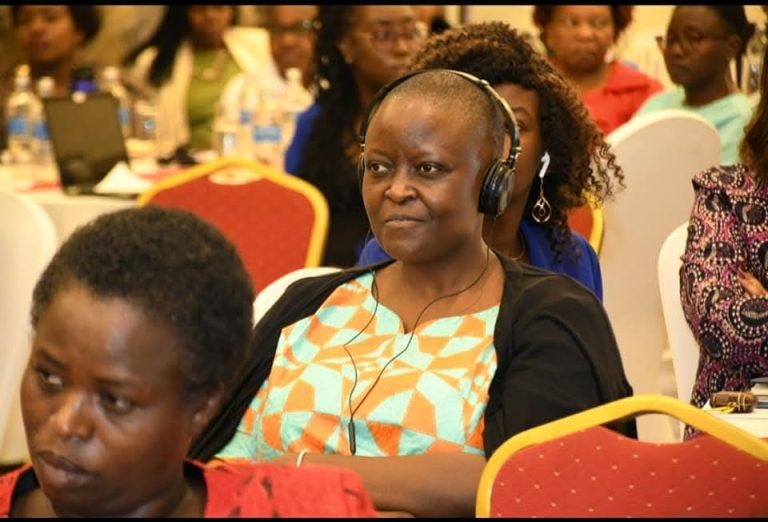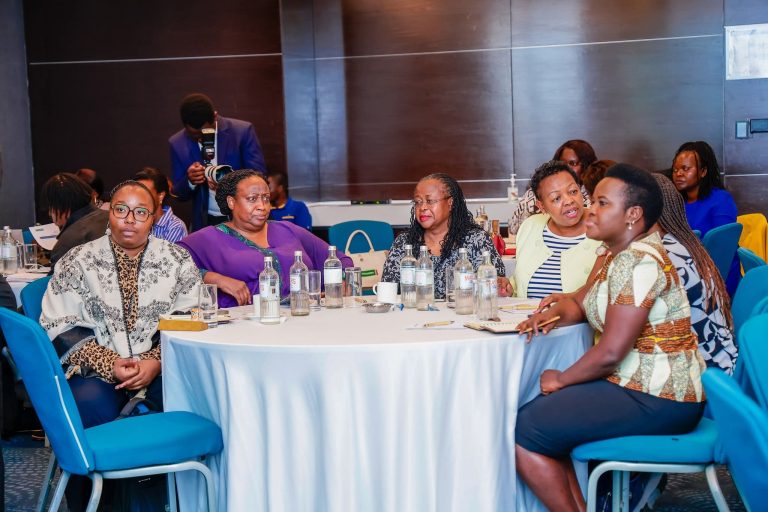
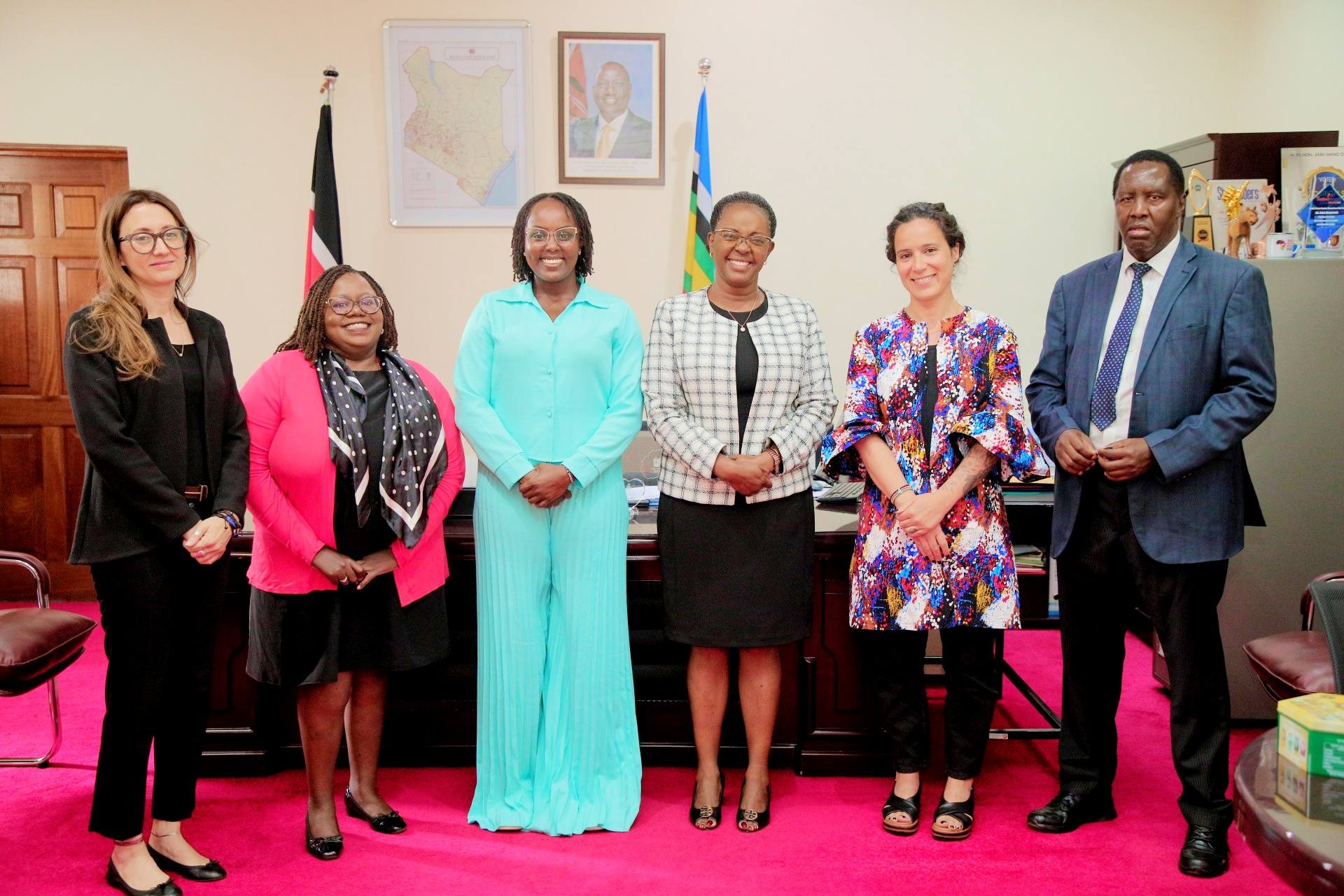
On Wednesday, April 8, 2026, stakeholders convened in Nairobi for high-level discussions to strengthen support systems for survivors of Gender-Based Violence (GBV) in Kenya.
The meeting which was led by Principal Secretary Anne Wang’ombe, alongside the Director for Gender-Based Violence Mitigation, Michael Kariuki. They engaged with representatives from IPSIA Kenya and the Group for Transcultural Relations (GRT), an Italian non-governmental organizations with active programs supporting rural communities in Kenya.
At the core of the discussions was a shared commitment to expand collaboration in supporting GBV survivors, particularly in Nyeri County, where both organizations have an established presence. The dialogue focused on enhancing access to mental health awareness and psychosocial support services, which are increasingly recognized as essential components of survivor care.
GBV continues to have far-reaching consequences beyond immediate physical harm. Survivors often experience long-term psychological effects, including trauma, anxiety, and depression—issues that require structured, sustained intervention.
PS Wang’ombe emphasized the critical intersection between gender-based violence and mental health, noting that the psychological impact of GBV can be profound and long-lasting. She underscored the need for an integrated prevention and response approach,one that not only addresses incidents of violence but also prioritizes healing, resilience, and reintegration for survivors.
This approach aligns with growing global and national recognition that effective GBV response frameworks must incorporate mental health services as a central pillar, rather than a secondary consideration.
The meeting which was held at Teleposta Towers also brought together key local actors, including the Nyeri County coordinator from the National Government Affirmative Action Fund (NGAAF) and a representative from the Wangu Kanja Foundation, an organization widely known for its survivor-centered advocacy and support initiatives.
Their participation highlighted the importance of multi-stakeholder collaboration,bringing together government agencies, civil society, and international partners to build a more coordinated and effective response to GBV.
As Kenya continues to strengthen its response to gender-based violence, partnerships such as these signal a strategic shift toward more holistic, community-centered solutions. By integrating mental health support with prevention and protection efforts, stakeholders are laying the groundwork for more sustainable and impactful interventions.
Ultimately, addressing GBV requires not only policy commitment but also sustained collaboration, resource investment, and a deep understanding of the human impact behind the statistics.
About the Author