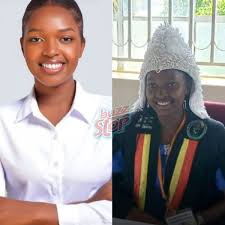
A new generation of young leaders is increasingly shaping the political landscape across East Africa, with several individuals under 25 taking up influential positions in government and local administration.
Among the latest young leaders to make headlines is a 23-year-old Comfort Kashemire, who was recently elected Deputy Speaker of the Kanungu District Council in Uganda.
Her election highlights the growing participation of young people, particularly women, in governance and political leadership across the region.
Other Young East African Politicians Breaking Barriers
Several other young leaders have also made history in recent years by securing major political positions at remarkably young ages.
At just 23 years old, Hellen Auma Wandera was elected to Uganda’s National Parliament as the Woman Member of Parliament for Busia District, becoming one of the country’s youngest lawmakers.Her election was widely celebrated as a sign of increasing youth representation and women’s participation in politics.
In Kenya, John Paul Mwirigi made history when he was elected Member of Parliament for Igembe South at just 23 years old, making him one of the youngest MPs in the country’s history. Similarly, Linet Chepkorir, widely known as Linet Toto, achieved a major milestone at the age of 24 after being elected the Woman Representative for Bomet County during the August 2022 General Election. Her victory earned her recognition as the youngest woman ever elected to Kenya’s National Assembly.
Youth Leadership Transforming East African Politics
The rise of young leaders in East Africa reflects changing political dynamics, with more young people actively participating in governance, advocacy, and public leadership.
Analysts say youth representation in political institutions can:
Encourage greater civic engagement among young people
Promote fresh perspectives in policymaking
Strengthen representation of youth issues
Increase women’s participation in leadership
The growing visibility of young politicians across East Africa continues to inspire conversations about inclusive leadership and the future of governance in the region.
About the Author