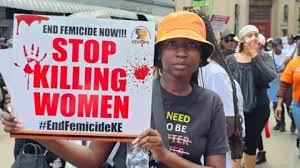
Across Africa, the growing cases of femicide continue to highlight the urgent need for stronger action to protect women and girls from violence.
Femicide is the intentional killing of women and girls because of their gender. In many cases, these deaths occur after repeated patterns of abuse, threats, control, and violence that were ignored or normalised.
As part of the African Women Network GBV and Femicide Awareness Campaign, Day 3 focuses on raising awareness about the devastating impact of femicide across African communities and the importance of early intervention, accountability, and survivor protection.
Understanding Femicide in Africa
Femicide is one of the most extreme forms of Gender-Based Violence (GBV). It reflects deeper societal issues, including:
Harmful gender norms
Misogyny
Domestic violence
Weak protection systems
Social silence around abuse
Lack of accountability for perpetrators
Across many African countries, women continue to lose their lives due to violence committed by intimate partners, family members, or individuals known to them.
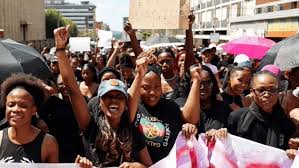
Femicide Often Follows Repeated Abuse
Many femicide cases do not happen suddenly. They are often preceded by:
Emotional abuse
Threats and intimidation
Physical violence
Stalking and harassment
Isolation from support systems
Financial control
Community silence
Warning signs are frequently ignored until violence escalates into tragedy.
Recognising red flags early and taking reports of abuse seriously can help save lives.
Survivors Are Often Silenced or Ignored
Many survivors of violence face:
Victim blaming
Fear of stigma
Lack of support systems
Economic dependency
Fear of retaliation
Delayed justice processes
These barriers often prevent women from reporting abuse or seeking help early.
Communities, institutions, and leaders must create safer environments where survivors are heard, protected, and supported without judgment.
Communities Must Stop Normalising Violence
Violence against women should never be treated as:
A private family matter
Discipline
A relationship issue
A cultural norm
Normalising abuse contributes to the continued rise in femicide and GBV cases across Africa.
Ending violence requires collective responsibility from:
Governments
Communities
Religious institutions
Families
Men and boys
Schools and workplaces
Women Deserve Protection Before Violence Escalates
Preventing femicide requires proactive action, including:
Stronger law enforcement responses
Survivor-centred support systems
Public awareness campaigns
Mental health and counselling support
Legal accountability for perpetrators
Safe shelters and reporting systems
Women deserve safety, dignity, and protection before violence becomes fatal.
African Women Network Message
At African Women Network, we refuse to normalise violence against African women and girls.
Every statistic represents:
A daughter
A mother
A sister
A friend
A leader
A future lost to violence
We continue to call for stronger action, accountability, education, and community involvement in ending femicide and Gender-Based Violence across Africa.
Femicide is not inevitable. It is preventable.
Breaking the silence around violence against women is an important step toward creating safer communities for women and girls across Africa.
Ending femicide requires awareness, accountability, stronger protection systems, and collective action from society as a whole.
Call to Action
💬 Speak against violence
💬 Support survivors
💬 Report abuse safely
💬 Challenge harmful norms
💬 Help create safer spaces for women and girls
About the Author