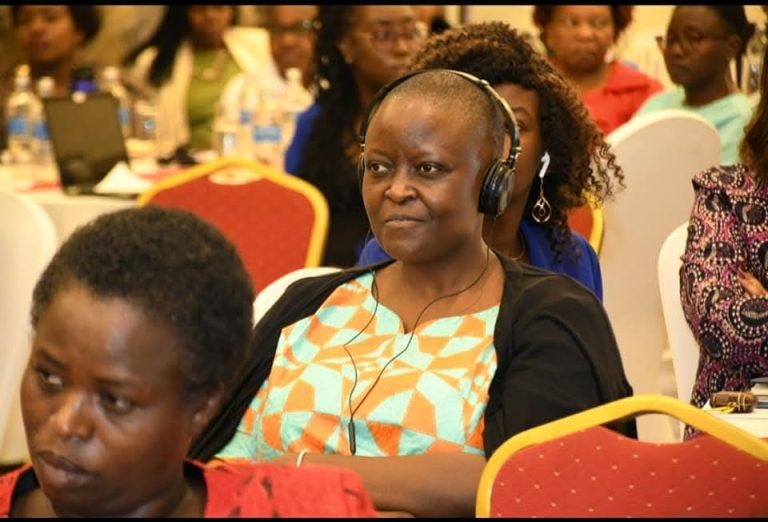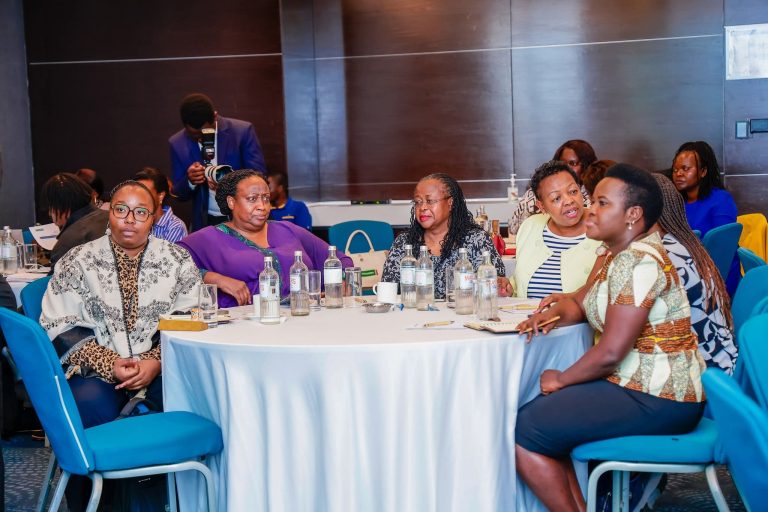
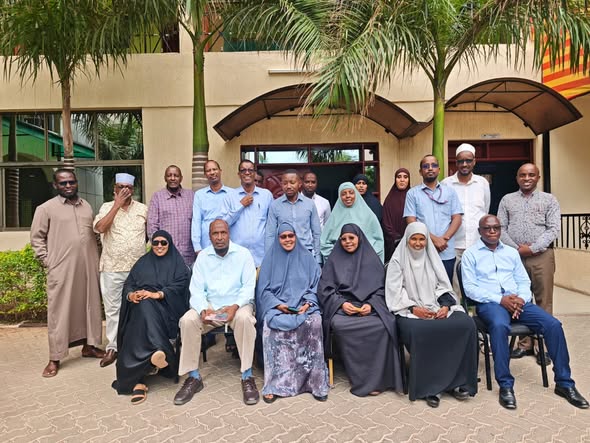
The National Gender and Equality Commission, Millennium Water Alliance–Kenya, and World Vision Kenya are leading a Gender Responsive Budgeting (GRB) training in Wajir County.
The multi-stakeholder engagement, which aims to promote inclusive governance and equitable resource allocation, brings together County Executive Committee Members (CECMs), Technical County staff, civil society organisations, and grassroots community representatives.
The National Gender and Equality Commission stated that the training aims to strengthen institutional capacity to integrate gender perspectives into planning and budgeting, ensuring public finance decisions respond to the diverse needs of women, men, youth, persons with disabilities, and other marginalised groups.
At its core, the initiative emphasises practical application. Participants are being equipped with tools for gender analysis, utilisation of gender-disaggregated data, and participatory planning approaches that enhance transparency and accountability.
The training also underscores the importance of inclusive public participation frameworks, enabling communities, particularly those historically excluded, to influence development priorities and budgetary allocations meaningfully.
Gender Responsive Budgeting is increasingly recognised as a critical mechanism for addressing systemic inequalities. By aligning financial planning with gender equality objectives, Wajir County stands to improve service delivery outcomes in key sectors such as water, health, education, and livelihoods, areas where disparities often remain pronounced.
In a show of intergovernmental collaboration, the NGEC team, led by North Eastern Regional Head Haji Abey and Nakuru Office Head Lewis Mwaniki, paid a courtesy call to the Office of the County Commissioner in Wajir. The meeting reaffirmed a shared commitment to advancing governance, social inclusion, and the effective implementation of GRB frameworks across the county.
This initiative marks a significant step toward institutionalising gender-responsive governance at the county level, positioning Wajir as a model for inclusive and equitable development planning in Kenya.
About the Author