The Kenya Women Parliamentary Association (KEWOPA) is calling for stronger gender-responsive legislation to boost protection for women and girls in refugee and host communities, where displacement, discrimination, and limited access to justice often increase the risk of gender-based violence.
At a high-level advocacy forum bringing together government institutions, development partners, and technical experts, KEWOPA emphasized that ending gender-based violence requires more than laws on paper.
It demands legislation that reflects the lived realities of women and girls, particularly those displaced by conflict and humanitarian crises.
Refugee Women Face Greater Risks
Women and girls living in refugee and host communities often experience multiple and overlapping vulnerabilities. Forced displacement, limited access to justice, poverty, discrimination, and weak legal protection increase their exposure to gender-based violence while making it more difficult to access healthcare, legal assistance, psychosocial support, and protection services.
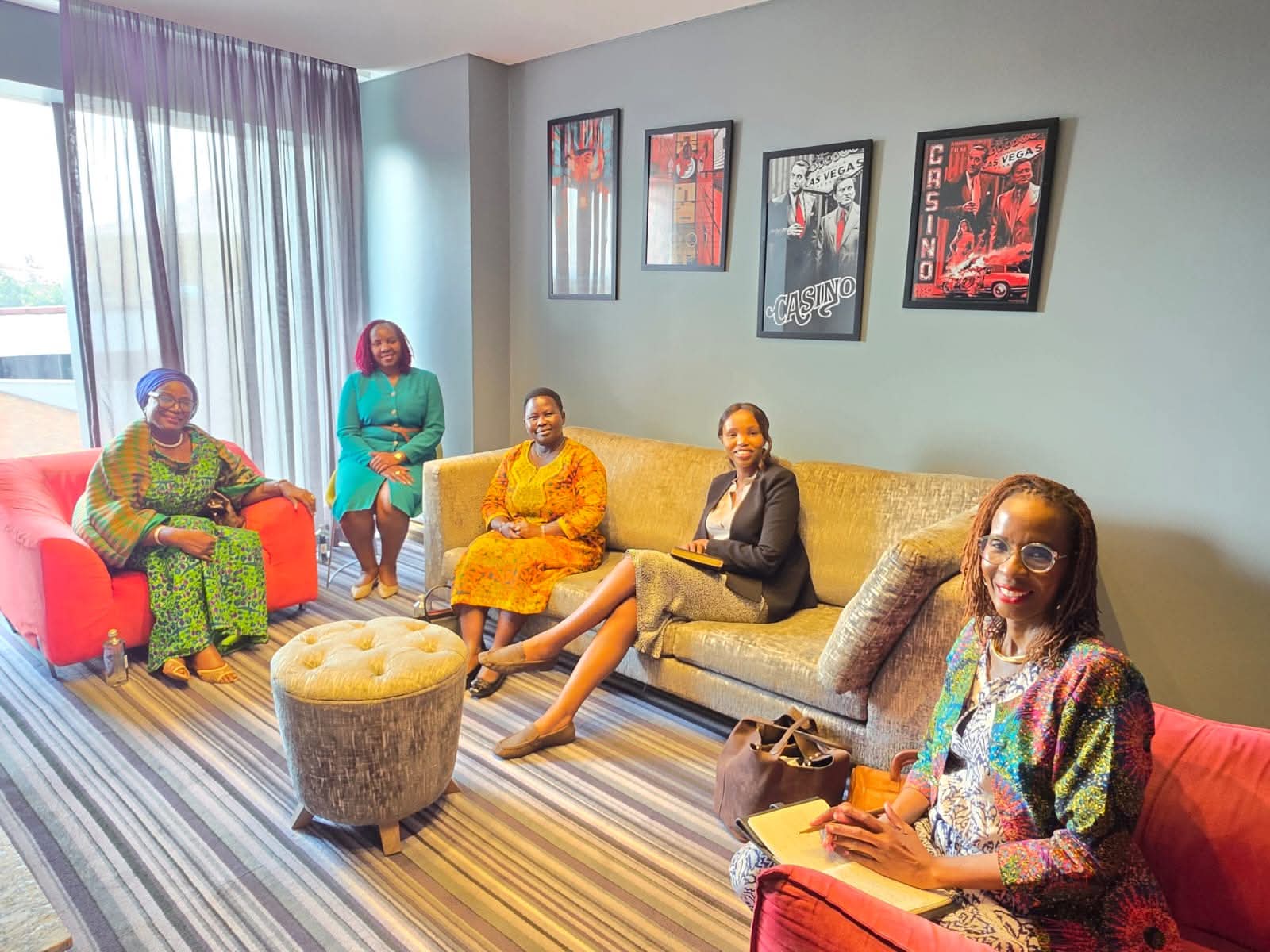
Recognizing these challenges, KEWOPA convened stakeholders to examine how Kenya’s legislative and policy framework can better respond to the unique risks faced by refugee women and girls.
The discussions focused on identifying practical reforms that strengthen protection systems and ensure survivors receive timely justice and support.
Advancing Gender-Responsive Legislation
A key outcome of the forum was the call for stronger gender-responsive legislation,laws and policies that recognize how women and girls experience violence differently and respond to their specific needs.
Gender-responsive legislation goes beyond treating everyone the same. It seeks to remove structural barriers that prevent women from accessing justice, healthcare, economic opportunities, and legal protection while ensuring national laws align with international human rights standards.
Participants explored ways to strengthen implementation of existing laws, improve survivor-centered justice systems, and reinforce accountability across institutions responsible for preventing and responding to GBV.
Building Stronger Protection Systems
The engagement also identified priority legislative and policy actions aimed at addressing systemic challenges affecting refugee and host communities.
Among the key priorities discussed were:
- Strengthening gender-responsive legislation and policy implementation.
- Improving access to justice for survivors of gender-based violence.
- Enhancing coordination among government agencies and justice institutions.
- Promoting accountability within protection systems.
- Adopting human rights-based approaches to refugee protection.
- Closing legal and institutional gaps affecting displaced women and girls.
Stakeholders agreed that effective laws must be supported by strong institutions, adequate resources, and coordinated implementation to deliver meaningful protection.
Collaboration Is Essential
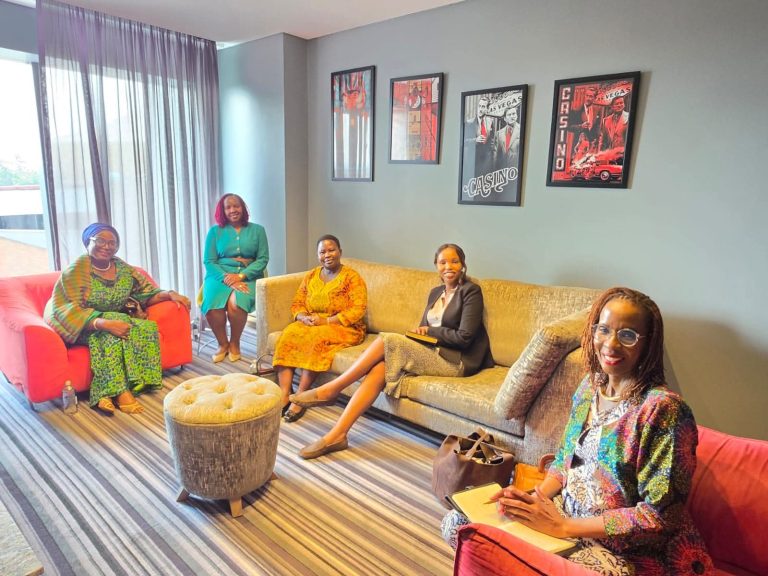
KEWOPA acknowledged the collaboration of several institutions that participated in the engagement, including the Refugee Consortium of Kenya (RCK), the Kenya National Commission on Human Rights (KNCHR), the National Gender and Equality Commission (NGEC), the Gender Violence Recovery Centre (GVRC), the State Department for Gender, the Department of Refugee Services (DRS), the National Council on the Administration of Justice (NCAJ), and the Embassy of the Netherlands in Kenya.
The forum demonstrated the importance of partnerships between Parliament, government agencies, civil society organizations, development partners, and justice institutions in strengthening legal protections for vulnerable populations.
Why Gender-Responsive Laws Matter
Despite progress in strengthening Kenya’s legal framework on gender equality and human rights, survivors of gender-based violence,especially those in displacement settings,continue to encounter barriers that prevent them from obtaining justice.
Experts note that gender-responsive legislation helps ensure laws address the specific experiences of women and girls rather than adopting one-size-fits-all approaches that overlook existing inequalities.
Such legislation also supports international commitments under instruments including the Convention on the Elimination of All Forms of Discrimination against Women (CEDAW), the Beijing Declaration and Platform for Action, and the Sustainable Development Goals, particularly SDG 5 on Gender Equality.
Protecting Every Woman and Girl
As humanitarian displacement continues to affect communities across the region, stakeholders stressed that protecting women and girls requires coordinated action that combines effective legislation, responsive institutions, survivor-centered services, and political commitment.
KEWOPA maintains that every woman and girl,regardless of where she lives or whether she has been displaced,deserves equal protection under the law and access to justice.
By strengthening gender-responsive legislation and closing protection gaps, Kenya can move closer to eliminating gender-based violence while ensuring refugee and host communities are safer, more inclusive, and more resilient.
Ending GBV is not solely a legal obligation,it is a human rights imperative and a necessary foundation for achieving equality, dignity, and sustainable development for all women and girls.
About the Author