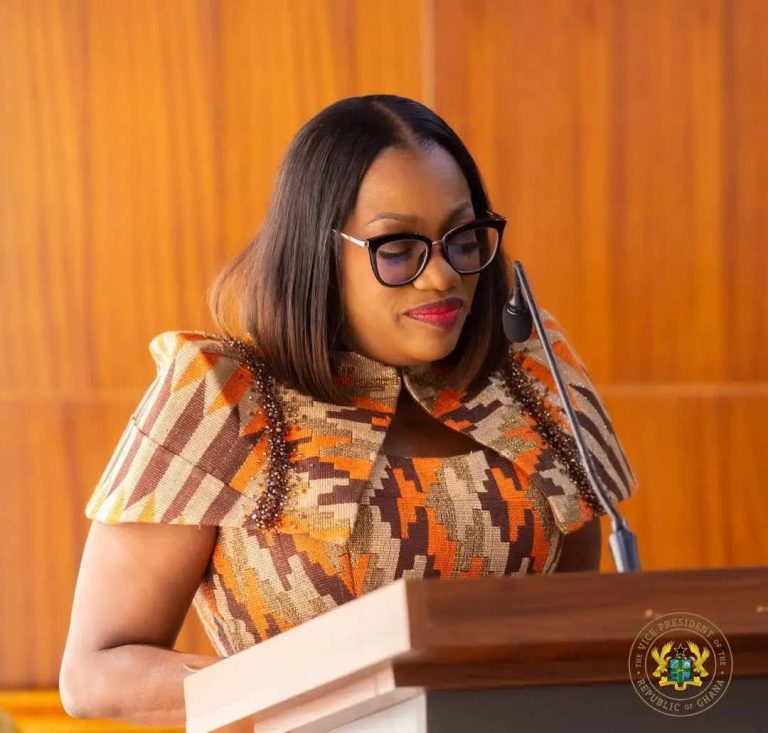
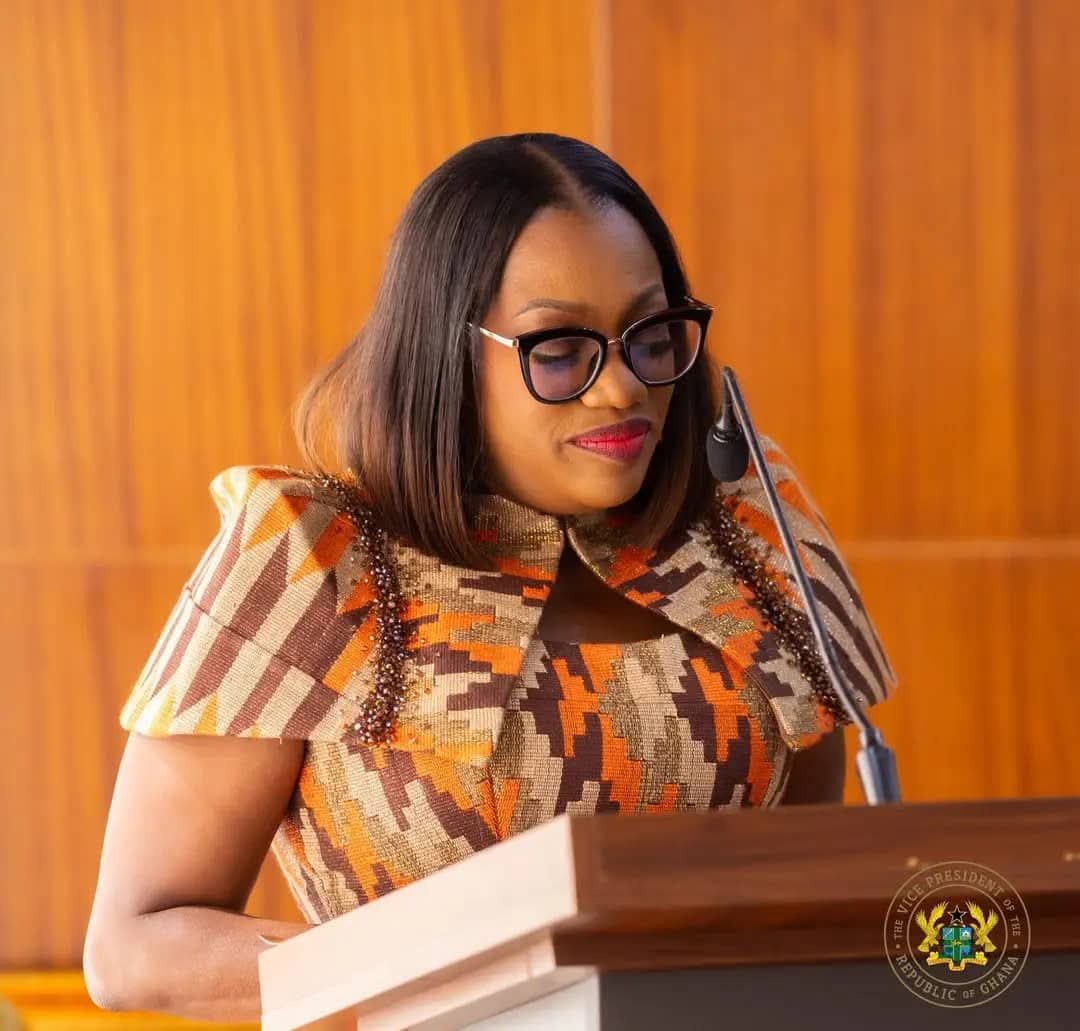
Ghana has made history with the appointment of Dr. Pamela Graham as the country’s first female Auditor-General, marking a significant milestone for women’s leadership, public accountability, and inclusive governance in Africa.
Sworn into office by President John Dramani Mahama, Dr. Graham becomes the first woman to head Ghana’s Audit Service since the country’s independence, breaking a long-standing gender barrier in one of the nation’s most important constitutional offices.
Her appointment comes at a time when African governments are increasingly recognizing that women belong at the highest levels of leadership,not as symbolic appointments, but as highly qualified professionals capable of strengthening institutions, safeguarding public resources, and driving good governance.
A Historic First for Ghana
During the swearing-in ceremony, President Mahama described the Office of the Auditor-General as one of the pillars of democratic governance, responsible for ensuring transparency, accountability, and prudent management of public funds.
He urged Dr. Graham to carry out her constitutional mandate with independence, integrity, and courage, emphasizing that every audit report should be guided by evidence, facts, and the rule of law.
The President also reaffirmed his government’s commitment to strengthening Ghana’s Audit Service through investments in digital audit technologies, institutional reforms, professional development, and modern financial oversight systems.
For Ghana, Dr. Graham’s appointment is more than a historic first,it reflects growing confidence in women’s ability to lead institutions that are central to democracy and economic development.
An Accomplished Audit Professional
Dr. Graham brings more than 25 years of experience in auditing, assurance, governance, financial reporting, and advisory services.
Before entering public service, she built an impressive career at EY Ghana, where she became the firm’s first female partner in 2013 before serving on the EY West Africa Executive Council. Throughout her career, she has led major audit assignments across banking, insurance, telecommunications, state-owned enterprises, and public institutions.
Her experience also includes debt validation exercises, financial sector assessments, corporate governance reviews, and advisory work supporting fiscal accountability in Ghana.
Her appointment demonstrates that women continue to excel in professions traditionally dominated by men and are increasingly being entrusted with leadership of institutions that oversee public finances.
What Dr. Graham’s Appointment Means for Women in Ghana
For many young women, Dr. Graham’s appointment is a powerful reminder that leadership opportunities in finance, governance, and public administration are attainable.
Representation matters. When women occupy constitutional offices, they help dismantle long-standing stereotypes, inspire future generations, and broaden perceptions about who can lead national institutions.
Her achievement also reflects the growing recognition that diversity in leadership strengthens decision-making, enhances institutional credibility, and promotes better governance.
A Strong Signal for Women’s Leadership Across Africa
Dr. Graham’s appointment is part of a broader transformation taking place across Africa, where more women are assuming leadership of supreme audit institutions responsible for promoting transparency and accountability.
Today, several African countries have women serving as Auditor-General, demonstrating that gender barriers are gradually being broken in one of the most influential oversight offices in government.
Among them are:
Dr. Pamela Graham – Ghana’s first female Auditor-General.
Nancy Gathungu – Kenya’s Auditor-General, appointed in 2020, who oversees independent audits of public institutions and government expenditure.
Tsakani Maluleke – South Africa’s first female Auditor-General, appointed in 2020, becoming the first woman to lead the institution in more than a century.
The emergence of women in these oversight roles reflects a wider continental shift toward inclusive governance, where competence, professionalism, and integrity increasingly define leadership.
Why This Matters for Africa
Across Africa, governments are working to improve transparency, fight corruption, and strengthen public financial management. Independent audit institutions play a central role in achieving these goals by ensuring public resources are managed responsibly and government spending delivers value for citizens.
By appointing qualified women to lead these institutions, countries are also advancing gender equality while strengthening democratic accountability.
Dr. Graham’s appointment aligns with the African Union’s Agenda 2063 and Sustainable Development Goal 5, both of which call for women’s equal participation in leadership and decision-making.
Looking Ahead
While women remain underrepresented in many senior constitutional and financial oversight positions across Africa, appointments such as Dr. Pamela Graham’s demonstrate meaningful progress.
Her leadership is expected to strengthen public confidence in Ghana’s Audit Service while inspiring more women to pursue careers in finance, auditing, governance, and public administration.
As more African countries appoint women to lead key national institutions, the continent moves closer to building governments that are not only more representative but also more transparent, accountable, and effective.
Dr. Pamela Graham’s appointment is therefore more than a personal achievement,it is a milestone for Ghana, a victory for women’s leadership, and another step toward a future where African women continue shaping the institutions that drive democracy, accountability, and sustainable development.
About the Author