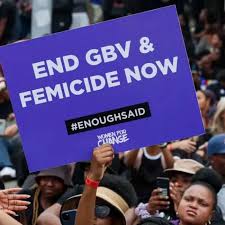
Gender-Based Violence (GBV) remains one of the most widespread human rights violations affecting women and girls across Africa.
From homes and schools to workplaces and online spaces, millions continue to face violence simply because of their gender.
Despite growing awareness and legal protections in many countries, GBV continues to destroy lives, families, and communities. Survivors often suffer in silence due to fear, stigma, economic dependence, and lack of access to justice or support systems.
What is Gender-Based Violence (GBV)?
Gender-Based Violence refers to any harmful act directed at a person because of their gender. Women and girls are disproportionately affected, although GBV can impact people of all genders.
GBV takes many forms, including:
Physical violence
Emotional and psychological abuse
Sexual violence
Economic abuse
Online harassment and cyberbullying
Child marriage
Female Genital Mutilation (FGM)
Intimate partner violence
Sexual harassment in schools and workplaces
Violence against women is not culture, tradition, discipline, or love. It is a violation of human rights.
The Reality of GBV in Kenya and Africa
Across Kenya and many African countries, cases of GBV and femicide continue to rise at alarming rates. Reports show that many women experience emotional, physical, or sexual violence during their lifetime, often at the hands of intimate partners or family members.
Currently, Femicide, the killing of women because they are women, has become a growing crisis. Many victims are young women whose stories have sparked national outrage and renewed calls for urgent action.
Urban areas and informal settlements remain major hotspots for reported GBV cases due to poverty, insecurity, unemployment, drug abuse, and weak protection systems.
Harmful cultural practices such as Female Genital Mutilation (FGM) and child marriage also continue to affect girls in several African communities despite laws prohibiting them.
Across Sub-Saharan Africa, intimate partner violence remains one of the leading forms of violence against women, affecting millions of lives every year.
Why Survivors Often Remain Silent
Many survivors of GBV do not report abuse because of:
Fear of retaliation
Shame and stigma
Economic dependence
Lack of trust in justice systems
Family and community pressure
Emotional trauma
Limited access to safe shelters and support services
As a result, many cases remain hidden and underreported.
The Impact of Gender-Based Violence
GBV affects every aspect of a survivor’s life. The consequences can include:
Physical injuries and long-term health complications
Depression, anxiety, and trauma
Interrupted education
Financial instability
Social isolation
Loss of confidence and self-worth
Death in extreme cases, such as femicide
Beyond individuals, GBV weakens families, communities, and national development.
Ending GBV Requires Collective Action
Ending Gender-Based Violence requires governments, communities, institutions, men, women, and young people to work together.
We must:
Educate communities about GBV
Support survivors without judgment
Hold perpetrators accountable
Strengthen laws and enforcement
Create safe spaces for women and girls
Challenge harmful cultural norms
Promote gender equality
Encourage survivors to seek help
Silence protects abusers. Awareness saves lives.
Where to Get Help in Kenya
If you or someone you know is experiencing Gender-Based Violence, help is available.
📞 National GBV Toll-Free Helpline: 1195
You can also seek assistance from local hospitals, police gender desks, human rights organisations, community-based groups, and counselling centres.
A Call to Action
African women and girls deserve to live free from fear, violence, and discrimination. Every voice matters in the fight against GBV and femicide.
It is time to speak up, protect survivors, educate communities, and demand justice.
Because every woman’s life matters.
About the Author