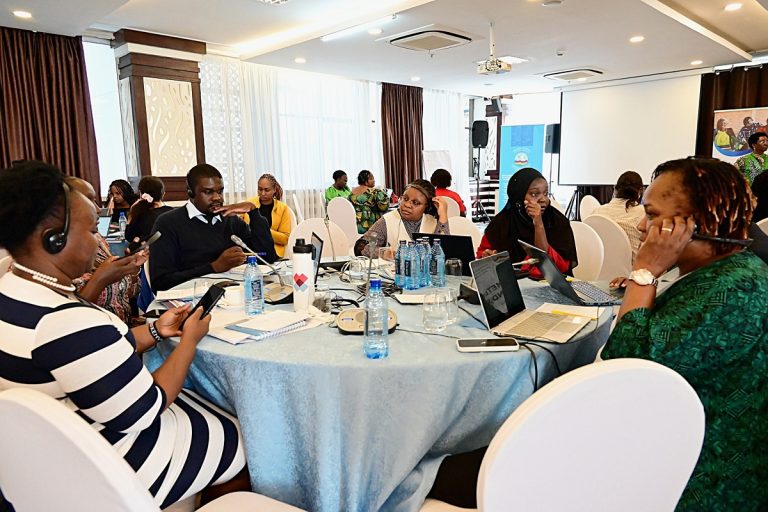
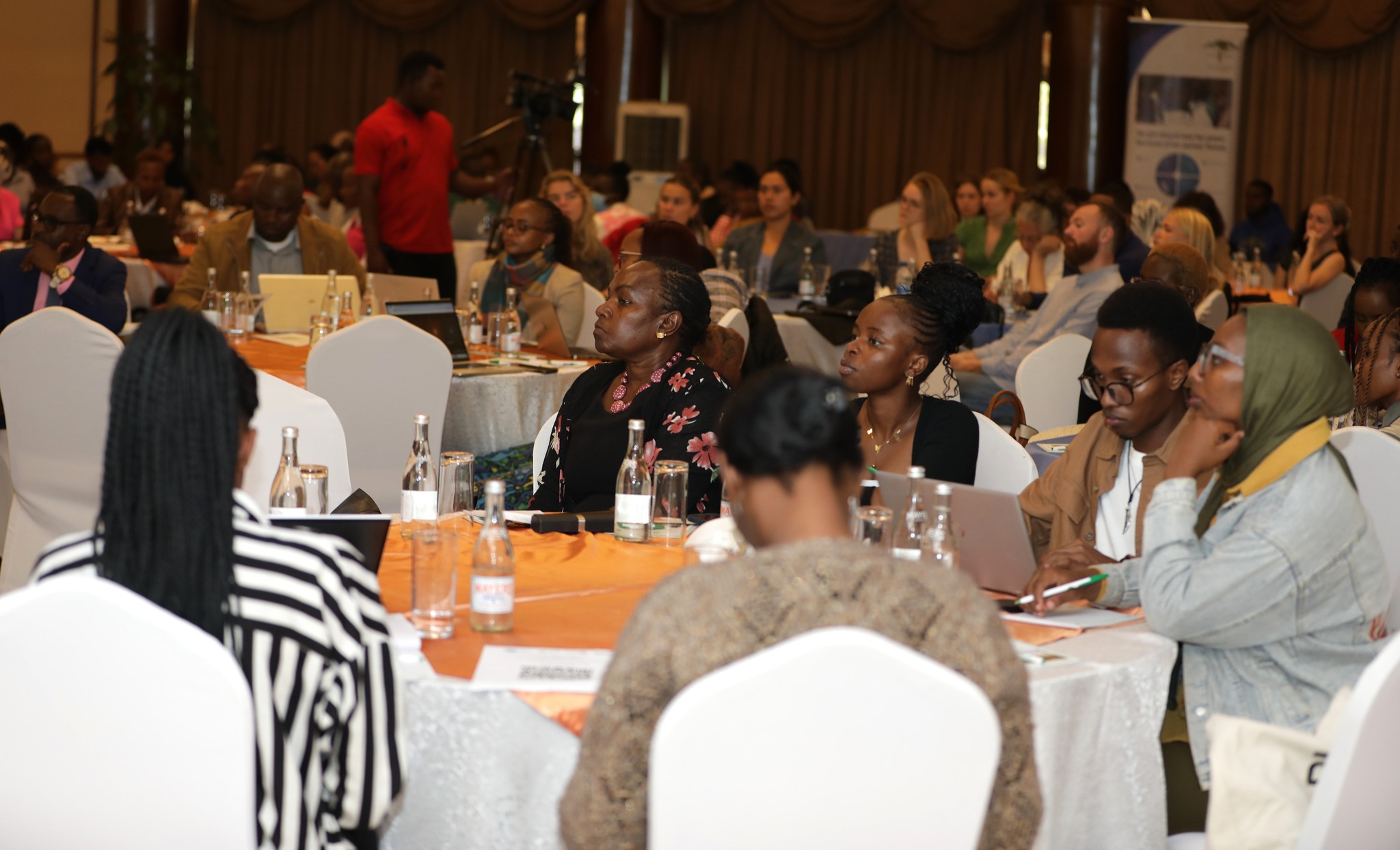
Kenya’s push for menstrual dignity dominated the 2025 Menstrual Health Symposium, uniting leaders to assess progress and gaps in menstrual health.
The symposium made one thing clear: menstrual health is not just a hygiene issue; it is a human rights, gender equality, and economic development priority.
Participants stressed the urgent need for robust legislation, clear national product standards, fair market pricing, and predictable budget allocations to ensure that every woman and girl can access safe, high-quality, and affordable menstrual products.
Despite years of advocacy, many still struggle with inconsistent supply, substandard products, and financial barriers that undermine their wellbeing and dignity.
Speakers also underscored that menstrual health must be fully integrated into Kenya’s broader sexual and reproductive health agenda, as well as into education, social protection, and gender equality programmes. This holistic approach,backed by stronger oversight and accountability,would help close the gaps that continue to leave marginalized women and girls behind.
In her keynote remarks, Hon. Senator Tabitha Mutinda Munene emphasized that menstrual health should be treated as a core pillar of national development planning, not an afterthought. She called for coordinated policy action across ministries, enhanced regulatory frameworks to curb exploitative pricing and poor-quality products, and increased investment in community education to eliminate stigma and misinformation.
Senator Mutinda also highlighted the importance of local manufacturing, innovation, and tax policies that make menstrual products more affordable, sustainable, and accessible,especially for girls in hard-to-reach communities who miss school every month due to lack of supplies.
At the forefront of this advocacy is KEWOPA, which reaffirmed its commitment to championing policies, legislation, and budgetary provisions that advance menstrual equity. The organisation stressed that true progress will only be achieved when every woman and girl in Kenya can manage her period safely, confidently, and with dignity,regardless of her income, location, or background.
As Kenya continues to shape its gender equality agenda, menstrual health must remain a national priority,one that is backed by political will, adequate funding, and collective action.
About the Author