
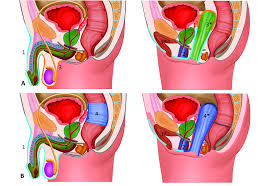
Vaginoplasty is a surgical procedure designed to reconstruct or tighten the vaginal canal and surrounding tissues.
Traditionally, it has been used for medically indicated reconstruction, such as after childbirth trauma, congenital conditions, or gender-affirming care. However, in recent years, it has increasingly been marketed as a cosmetic procedure, leading to a sharp rise in demand worldwide.
Medical professionals are now expressing concern about how quickly this demand is growing—and whether patients are always receiving balanced, evidence-based guidance before undergoing surgery.
Why More Women Are Seeking Vaginoplasty
Several factors are driving the increase. For many women, post-childbirth changes, such as stretched or weakened pelvic floor muscles, play a significant role. Ageing also contributes, as hormonal shifts can reduce tissue elasticity over time.
Some are influenced by sexual health concerns, including a perceived loss of tightness or sensation. At the same time, evolving aesthetic expectations, often shaped by social media and beauty standards, are redefining what is considered “normal.” In other cases, the procedures are sought for medical reasons, including reconstruction after trauma or to address congenital conditions.
While some of these reasons are clinical, others are subjective and socially influenced, which complicates decision-making.
Potential Benefits
When appropriately indicated and performed by qualified specialists, vaginoplasty can offer meaningful benefits. It may improve the structural support of the vaginal canal and, in some cases, enhance pelvic floor function. Some patients report increased comfort and confidence following the procedure. It can also provide important reconstructive outcomes after injury or certain medical conditions. For individuals with clear medical needs, vaginoplasty can be both restorative and life-improving
Key Challenges and Risks
Despite its potential benefits, vaginoplasty carries important risks. As with any surgery, complications such as infection, bleeding, or scarring can occur. Some patients may experience pain or discomfort, particularly during recovery or intercourse. In certain cases, over-tightening can lead to prolonged or chronic discomfort. There is also the risk of unmet expectations, as outcomes may not always align with what patients envision. Additionally, long-term data—especially for cosmetic procedures—remains limited.
Why Doctors Are Concerned
Healthcare professionals are increasingly uneasy about this trend for several reasons. Some procedures are marketed with limited scientific backing, raising concerns about misleading information. In addition, not all patients receive thorough counselling on the risks, benefits, and available alternatives.
There is also a growing tendency to present these surgeries as routine rather than elective, which can downplay their seriousness. At the same time, societal pressures and shifting beauty standards may influence patients to seek procedures without a clear medical need. Experts stress that vaginal anatomy varies widely, and many perceived “issues” fall within the range of normal.
Alternatives to Surgery
Before considering vaginoplasty, doctors often recommend starting with non-surgical options. These may include pelvic floor exercises such as Kegels, targeted physiotherapy to strengthen pelvic health, and, where appropriate, hormonal or other medical treatments. Counselling can also help address body image or sexual health concerns. In many cases, these approaches are effective—particularly when the issue is functional rather than structural.
Broader Implications
The rise in vaginoplasty brings important ethical and public health considerations. Questions arise around whether patients are fully informed and giving genuine consent, and whether increasing societal pressure is influencing decisions that may not be medically necessary. Concerns about access and equity also persist, particularly regarding who can afford or access these procedures. At a broader level, there is debate over whether cosmetic procedures should be expanding at this pace. As a result, there is a growing call for clearer guidelines, stronger regulation, and improved patient education to ensure safe and ethical practice.
Vaginoplasty can be beneficial in the right medical context; however, it is not a one-size-fits-all solution. As demand rises, the priority must remain patient safety, informed decision-making, and realistic expectations.
A careful, medically guided approach is essential to ensure that women are choosing this procedure for the right reasons and with a full understanding of both the benefits and the risks.
About the Author