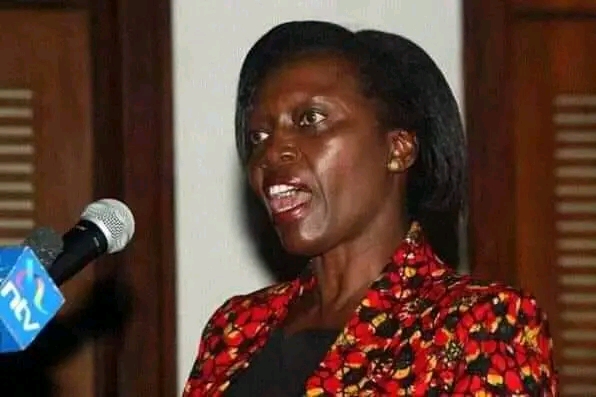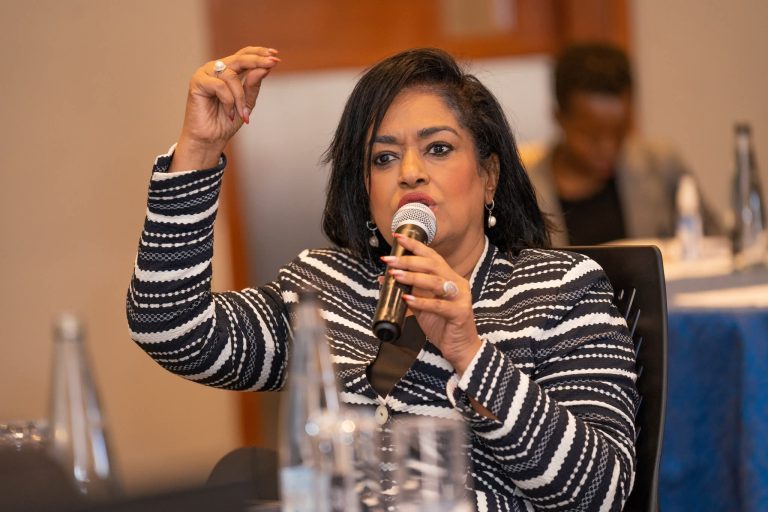

Njeri wa Migwi has stood out as a leading voice in Kenya’s fight against gender-based violence (GBV), gaining national recognition and grassroots support for her efforts with survivors.
As co-founder of Usikimye, Migwi has spearheaded rescue missions, public advocacy, and challenging conversations on femicide, domestic abuse, and the protection of women and girls.
Recently, however, she and her organization have faced intense scrutiny following allegations shared online and in some media outlets. These claims, centered on governance, internal management, and financial practices at Usikimye, have sparked a broader debate about accountability, activism, and the safety of survivors in Kenya.
While the allegations,first circulated on social media,have triggered strong reactions from both critics and supporters, Migwi and Usikimye representatives maintain that the claims remain unproven and are subject to ongoing legal and investigative review. So far, no court has issued a final ruling. Legal experts and advocates have urged the public to avoid rushing to judgment and to respect due process.
Founded in 2019, Usikimye,which means “Do Not Be Silent” in Swahili,responds to the urgent crisis of violence against women and girls in Kenya. The organization focuses on emergency response, survivor support, and public advocacy, particularly in low-income and high-risk communities.
Usikimye’s impact includes:
- Emergency rescues for women and children fleeing violent environments
- Temporary safe shelter for those in immediate danger
- Referrals for medical, psychosocial, and legal support
- Public awareness campaigns addressing GBV, femicide, and women’s rights
The organization has been credited with saving lives, especially where survivors lacked access to police or social services. Many women have shared testimonies of being rescued with their children, sheltered, and supported as they rebuilt their lives.
The situation surrounding Migwi has reopened questions within Kenya’s civil society about transparency, accountability, and sustainability in women-led grassroots movements. While many stress the need for organizational accountability, others caution that unverified accusations against GBV responders risk silencing women and undermining advocacy efforts.
Women’s rights advocates highlight that GBV work is emotionally demanding, under-resourced, and often conducted in hostile conditions, leaving activists vulnerable to backlash, misinformation, and targeted attacks.
Support, Solidarity, and the Path Forward Despite the controversy, Migwi continues to receive support from human rights communities, survivors, and fellow activists who argue that her work has filled a critical gap left by limited institutional responses to GBV. They call for the focus to remain on survivor protection and system strengthening, rather than diminishing life-saving interventions.
As legal and investigative processes proceed, stakeholders advocate for fair, transparent, and survivor-centered approaches that uphold justice and maintain essential support services for women. The ongoing situation underscores the urgent need for stronger public systems, clearer frameworks for accountability, and sustained investment in the fight to end violence against women.
Ultimately, Njeri wa Migwi’s story reflects not just the journey of one activist, but the complexity, risk, and resilience involved in confronting gender-based violence in deeply unequal societies.
About the Author