A Legacy That Outlived Her Presidency
History often celebrates the moment someone breaks a barrier but pays far less attention to what happens afterward.
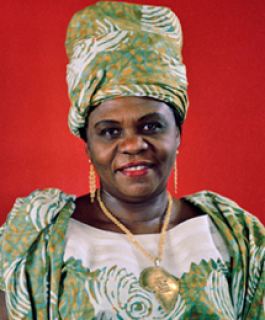
For Angie Elizabeth Brooks, becoming the first African woman to preside over the United Nations General Assembly in 1969 was not the culmination of her life’s work,it was one chapter in a lifelong commitment to justice, diplomacy, and public service.
After completing her historic tenure, Brooks continued serving Liberia and the international community with distinction. She remained one of Africa’s most respected diplomats, advocating for peace, cooperation, and stronger multilateral institutions long before globalization became the defining theme of international relations.
Her career demonstrated that leadership is not measured by titles alone but by sustained influence.
Changing Perceptions of African Women
Brooks’ greatest achievement may have been one that cannot be measured by awards or official records.
She changed perceptions.
For decades, international diplomacy had largely been viewed as the preserve of powerful Western nations led almost exclusively by men. African women were seldom invited into those conversations, much less trusted to lead them.
Brooks quietly dismantled those assumptions.
She showed that an African woman could negotiate among world powers, chair debates involving more than 120 member states, and command respect through competence rather than political power.
In doing so, she broadened the world’s understanding of what leadership could look like.
Today, African women routinely serve as ambassadors, foreign ministers, UN officials, judges, peace negotiators, and heads of international organizations. While progress has been gradual, pioneers like Brooks helped create the conditions that made these achievements possible.
Leadership Built on Excellence
Unlike many public figures whose influence depended on popularity, Brooks built her reputation on preparation.
Her background in law sharpened her analytical skills.
Her diplomatic experience strengthened her ability to build consensus.
Her calm temperament allowed her to navigate disagreements without escalating tensions.
Rather than seeking attention, she focused on substance.
This approach offers an enduring lesson for today’s leaders.
In an era driven by headlines, social media visibility, and personal branding, Brooks reminds us that credibility remains one of leadership’s greatest assets.
Preparation, integrity, and consistency often have a longer-lasting impact than charisma alone.
Why Her Story Still Matters
More than fifty years after her historic election, the world continues to wrestle with questions of representation and inclusion.
Women remain underrepresented in diplomacy, peace negotiations, and senior international leadership positions. Although progress has been made, equality has not yet been achieved.
For African women, Brooks’ story is especially significant.
She did not wait for systems to become fair before pursuing leadership.
She entered spaces where few people expected to see her and earned respect through excellence.
Her journey reminds young women that breaking barriers often requires both courage and competence.
Representation opens the door.
Excellence keeps it open.
Lessons for the Next Generation
Angie Brooks leaves behind timeless lessons for emerging leaders across Africa.
Lead with preparation. Great opportunities often arrive unexpectedly, but they reward those who have invested in their skills long before recognition comes.
Use influence to serve others. Brooks viewed leadership as a platform for advancing justice, equality, and international cooperation,not personal prestige.
Never underestimate quiet leadership. She proved that calm conviction can be just as powerful as loud rhetoric.
Leave the door open. Every barrier broken creates possibilities for someone else. True pioneers understand that leadership is about expanding opportunities for future generations.
A Pioneer Worth Remembering
Today, the names of many global leaders dominate history books, while the remarkable achievements of Angie Elizabeth Brooks remain unfamiliar to many Africans.
Yet her legacy deserves renewed attention.
Long before “glass ceilings” became part of everyday language, she shattered one of the highest ceilings in global governance.
Long before diversity became a strategic priority, she demonstrated the value of inclusive leadership.
And long before African women gained greater visibility on the international stage, she showed the world that excellence knows neither gender nor geography.
As Africa continues to produce women who are transforming diplomacy, business, science, politics, and global development, Angie Brooks stands as one of the pioneers who proved that the highest tables of leadership were never beyond the reach of African women.
Her story is not simply history.
It is a reminder that every generation has women bold enough to redefine what is possible,and courageous enough to make it easier for those who follow.
About the Author