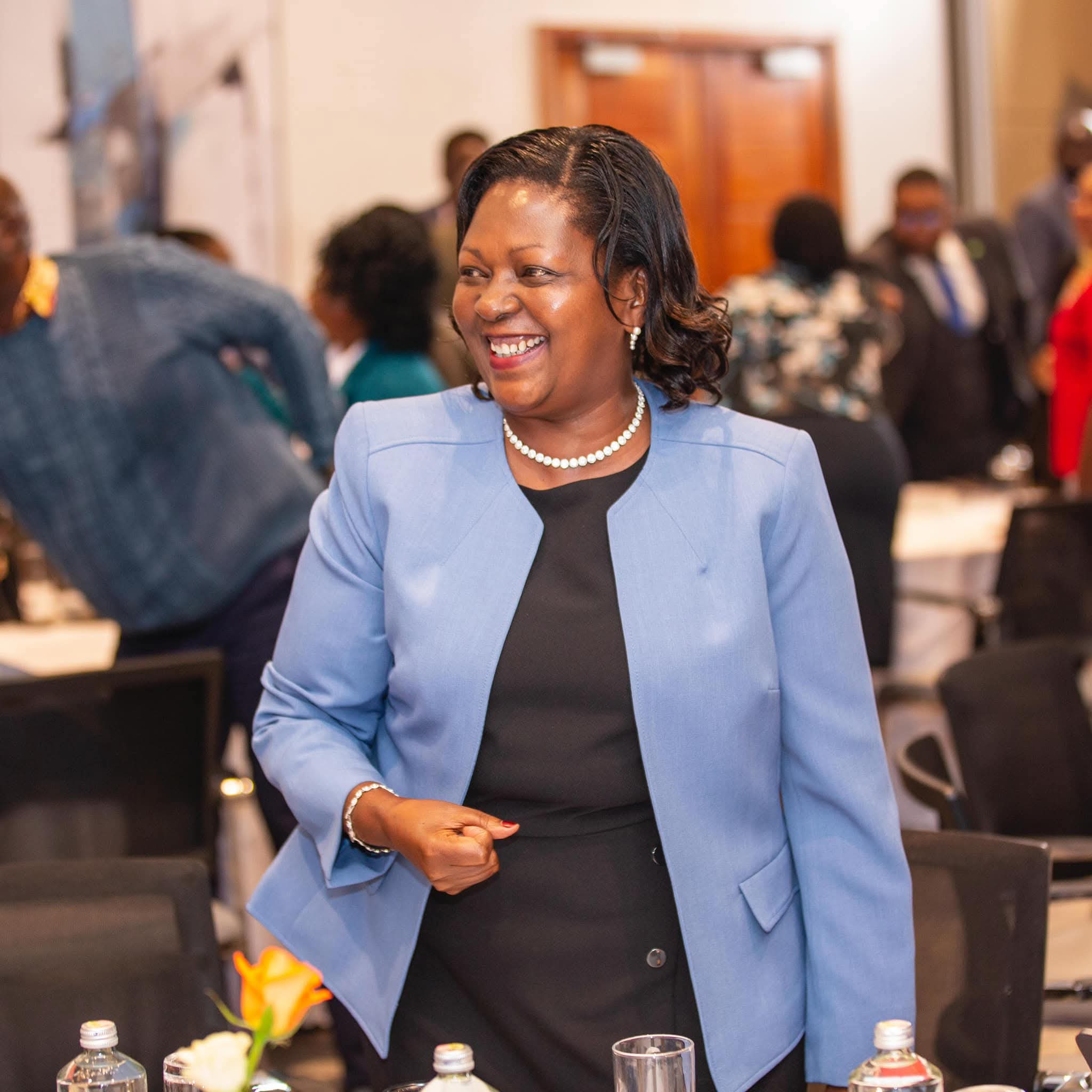
For many young African women, leadership can seem like a distant destination—one reserved for the privileged, the connected, or the exceptionally fortunate. But for Mary Wangari Wamae , one of Kenya’s most respected corporate leaders, the journey from a rural village in Nyeri County to the boardrooms of one of Africa’s largest financial institutions proves that leadership is not determined by where one begins, but by the courage to pursue purpose.
Today, as conversations around women’s leadership, mentorship, and inclusion gain momentum across Africa, Wamae is using her voice and experience to champion a cause she believes is critical to the continent’s future: building pathways for the next generation of women leaders.
A Village Girl with Big Dreams
Raised by a single mother in rural Nyeri, Wamae’s early life was shaped by resilience, hard work, and determination. Like many girls growing up in modest circumstances, she faced limitations that could easily have defined her future. Instead, they became the foundation of her ambition.
Her educational journey took her to the University of Nairobi, where she earned a Bachelor of Laws degree before proceeding to the Kenya School of Law. She later expanded her expertise through studies in Gender and Development and advanced leadership programs at prestigious institutions, including Harvard Business School, Oxford University, and York St John University in the United Kingdom.
These academic achievements laid the groundwork for a career that would eventually place her among the most influential women in African banking.
Helping Build a Banking Giant
Before entering the corporate world, Wamae founded and led her own legal practice, Mary Wangari & Company Advocates. In 2004, she joined Equity Building Society as Head of Legal Services at a time when the institution was still undergoing significant transformation.
Over the next two decades, she would play a central role in one of Africa’s most remarkable corporate success stories.
As Equity evolved from a struggling building society into a regional banking powerhouse, Wamae helped steer major milestones, including its transition into a commercial bank, listings on regional stock exchanges, expansion into multiple African markets, and strategic capital-raising initiatives that fueled growth.
Her rise through the ranks culminated in her appointment as Group Executive Director, overseeing Equity Group’s regional subsidiaries and contributing to the institution’s growth into a financial giant serving millions of customers across Africa.
Throughout her career, she became known not only for her legal and strategic expertise but also for her commitment to ethical leadership, governance, and inclusion.
Leadership Beyond Titles
While many leaders measure success through positions held and milestones achieved, Wamae increasingly views leadership through a different lens.
Speaking recently during a dialogue on women in leadership, she reflected on the barriers many young women continue to face despite growing awareness and constitutional commitments to inclusion.
“The pathways remain uneven,” she observed, noting that many aspiring women leaders encounter challenges ranging from limited mentorship opportunities and inaccessible networks to financial barriers and gender-based biases.
For Wamae, these challenges are not merely women’s issues—they are leadership and development issues that affect entire societies.
When talented women are unable to access leadership opportunities, countries lose valuable perspectives, innovative ideas, and transformative leadership that could strengthen institutions and communities.
Building the Leadership Pipeline
It is this conviction that now drives much of Wamae’s work.
Following her retirement from Equity Group in 2024, she founded TVG Consulting and Leadership Group, focusing on governance, leadership development, mentorship, and institutional transformation.
Through speaking engagements, executive coaching, board advisory roles, and mentorship initiatives, she is helping leaders navigate complex challenges while encouraging women to pursue positions of influence and impact.
Her message is simple but powerful: leadership pipelines do not emerge by chance.
They are intentionally built through mentorship, sponsorship, coaching, and investment in future leaders.
She has repeatedly challenged women who have already broken barriers to ask themselves whether they are merely celebrating their success or actively creating opportunities for those coming behind them.
It is a question that resonates deeply in a continent where young women continue to face structural obstacles despite increasing educational attainment and professional success.
Writing a Legacy
Wamae’s commitment to nurturing future leaders extends beyond boardrooms and conference stages.
Through her books, The Village Girl: My Dream, Life and Legacy and From the Village to the Boardroom: A Journey of Purpose, Power and Legacy, she shares lessons from her personal journey, offering guidance and inspiration to emerging leaders.
She also hosts The Executive Table Podcast, where conversations on leadership, purpose, and legacy seek to equip a new generation with the tools needed to lead effectively.
For Wamae, storytelling is not simply about reflecting on the past—it is about lighting a path for others.
Lessons for African Women
Mary Wamae’s story offers important lessons for women across Africa.
First, leadership is not limited by one’s background. A village girl can become a boardroom leader.
Second, success carries responsibility. Those who rise must create opportunities for others to rise as well.
And finally, true leadership is measured not only by personal achievements but by the number of lives empowered along the way.
As Africa continues to seek inclusive growth and stronger institutions, leaders like Mary Wamae remind us that sustainable progress depends on investing in people—especially the young women whose voices, talents, and ideas will shape the continent’s future.
From the village to the boardroom, Mary Wamae’s journey is remarkable. Yet her greatest contribution may not be the positions she held, but the pathways she is helping create for the women who will lead after her.
About the Author