Reproductive Health Network Kenya (RHNK) continues to play a critical role in advancing sexual and reproductive health and rights (SRHR) in Kenya and across Africa.
Through strategic partnerships, advocacy, and community-based programs, the organisation is working to improve access to healthcare services, empower young people, and influence policy reforms.
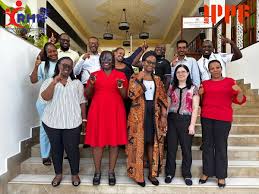
Recently, RHNK partnered with the International Planned Parenthood Federation (IPPF) and other regional organisations, including Family Guidance Association of Ethiopia, Human Development Initiative Rwanda, and Centre for Reproductive Rights, to host a regional work planning workshop under the African Regional Youth Adolescent Advocacy and Networking Initiative.
The convening served as a strategic platform for partners to align on regional priorities for adolescent sexual and reproductive health and rights (SRHR), while jointly developing a coordinated advocacy and implementation strategy.
It also strengthened collaboration among civil society organisations and helped build a unified voice to advance youth-led policy engagement across the region.
At its core, the initiative is focused on creating an enabling environment where adolescents can access accurate information, quality services, and rights-based healthcare.
Key Challenges Facing Adolescents in Africa
Discussions during the workshop highlighted persistent barriers that continue to limit young people’s access to sexual and reproductive health and rights (SRHR) services across Africa. These challenges include restrictive consent laws and policies, provider bias and judgmental attitudes, and the limited availability of youth-friendly health services.
Cultural stigma and harmful social norms further compound the issue, while the exclusion of young people from policy and decision-making spaces continues to hinder the development of inclusive and responsive healthcare systems.
Addressing these challenges remains a central pillar of Reproductive Health Network Kenya’s advocacy and programming work, as the organisation continues to push for stronger, more inclusive sexual and reproductive health systems for young people.
Leveraging Regional Policy Platforms
RHNK, in collaboration with regional partners, is actively engaging key continental institutions to strengthen SRHR advocacy and accountability. These include the African Commission on Human and Peoples’ Rights, the African Committee of Experts on the Rights and Welfare of the Child, and the African Union.
Through these platforms, RHNK seeks to influence policy reform, strengthen legal frameworks, and improve accountability mechanisms that protect and promote adolescent SRHR across Africa.
Other Key Initiatives by Reproductive Health Network Kenya
Beyond its regional advocacy work, Reproductive Health Network Kenya implements a wide range of programmes across the country focused on expanding access to reproductive health services and strengthening community empowerment.
The organisation works closely with young people through youth-friendly SRHR programmes that promote comprehensive sexuality education, improve access to contraception and reproductive health services, and create safe spaces for dialogue, learning, and engagement.
At the community level, RHNK drives grassroots outreach and awareness campaigns aimed at reducing stigma around reproductive health, promoting menstrual health and hygiene, and increasing public understanding of rights-based healthcare and available services.
In the policy space, the organisation actively engages policymakers and key stakeholders to strengthen SRHR-related frameworks, advocate for meaningful youth participation in decision-making, and advance rights-based approaches to healthcare delivery.
RHNK also prioritises capacity building for healthcare providers through targeted training programmes that enhance youth-friendly service delivery, address provider bias, and improve the overall quality of care within health facilities.
Gender Equality and Women’s Empowerment
RHNK integrates gender-responsive approaches across its programming to support women and girls’ health rights, address gender-based violence, and promote equitable access to healthcare services.
Through initiatives such as the African Regional Youth Adolescent Advocacy and Networking Initiative, RHNK is contributing to a coordinated, evidence-based advocacy movement across the continent.
This agenda prioritises strengthening youth voices in policy spaces, generating reliable data to inform decision-making, advancing regional commitments into national implementation, and promoting inclusive, equitable healthcare systems that respond to the needs of all adolescents.
About the Author