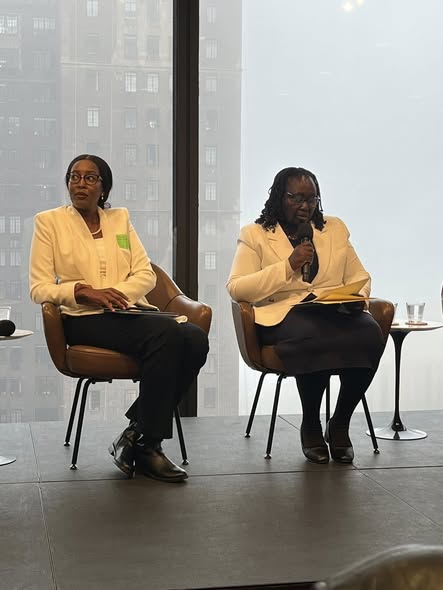
Kenya has reaffirmed its leadership in advancing gender equality by presenting its innovative justice reforms at the Commission on the Status of Women in New York.
During a high-level side event, the country spotlighted its Multi-Door Justice Model, a transformative approach designed to expand access to justice for women and girls through faster, more inclusive, and community-driven systems.
Kenya’s Multi-Door Justice Model is a progressive framework that promotes multiple pathways for resolving disputes beyond traditional court litigation.
Instead of relying solely on formal court systems, the model integrates: Alternative dispute resolution mechanisms, Community-based justice systems, Cultural and traditional mediation processes
This approach ensures that justice is not only accessible but also affordable, timely, and responsive to the diverse needs of citizens—particularly women and marginalised groups.
Expanding Access to Justice for Women and Girls
Access to justice remains a critical challenge for many women, especially in cases involving gender-based violence, family disputes, and inheritance rights.
Through the Multi-Door Justice Model, Kenya is addressing these barriers by: Providing faster dispute resolution channels, reducing legal costs, and bringing justice services closer to communities.
The model is particularly impactful for women who often face systemic barriers within formal legal systems, including delays, high costs, and limited awareness of their rights.
A key pillar of the model is the strengthening of specialised courts to handle sensitive cases more effectively. These include: Gender-Based Violence (GBV) Courts and Children’s Courts
By prioritising these cases, the judiciary aims to ensure timely hearings, survivor-centred approaches, and improved case outcomes. This is critical in restoring trust in the justice system and protecting the rights of women and children.
Speaking at the event, Cabinet Secretary Hanna Cheptumo emphasised that the Multi-Door Justice Model is a powerful enabler of reconciliation and social cohesion.
She highlighted the importance of empowering community-based and cultural justice mechanisms, noting that they play a vital role in resolving disputes at the grassroots level.
CS Cheptumo also called for stronger collaboration across institutions, communities, and stakeholders to ensure that justice systems are inclusive, transformative, and responsive to citizens’ needs.
The session was hosted by Chief Justice Martha Koome, whose leadership has been instrumental in advancing judicial reforms aimed at improving access to justice in Kenya.
Why This Matters: Justice as a Foundation for Gender Equality
Access to justice is a cornerstone of gender equality. Without it, women and girls are unable to fully exercise their rights or seek protection from discrimination and violence.
Kenya’s Multi-Door Justice Model demonstrates how legal innovation can: Empower women to claim their rights, reduce case backlogs and delays, promote fairness and accountability and strengthen community trust in justice systems.
By making justice more accessible, the model contributes directly to broader goals of gender equality and social inclusion.
Global Relevance and Lessons from Kenya
Kenya’s presentation at CSW70 positions the country as a leader in justice innovation, offering a scalable model that other nations can learn from.
The integration of formal and informal justice systems provides a practical solution to common challenges faced across many developing countries, including limited judicial resources and barriers to access.
As global conversations continue improving justice systems, Kenya’s experience highlights the importance of: Community-driven solutions, Institutional collaboration, and Gender-responsive legal frameworks.
Kenya’s Multi-Door Justice Model represents a bold step toward building a more inclusive, efficient, and accessible justice system.
By cantering women and girls in its approach, the country is not only addressing immediate legal challenges but also laying the groundwork for long-term social transformation.
As showcased at CSW70, ensuring equitable access to justice is not just a legal priority—it is essential for achieving gender equality, strengthening communities, and driving sustainable development.
About the Author