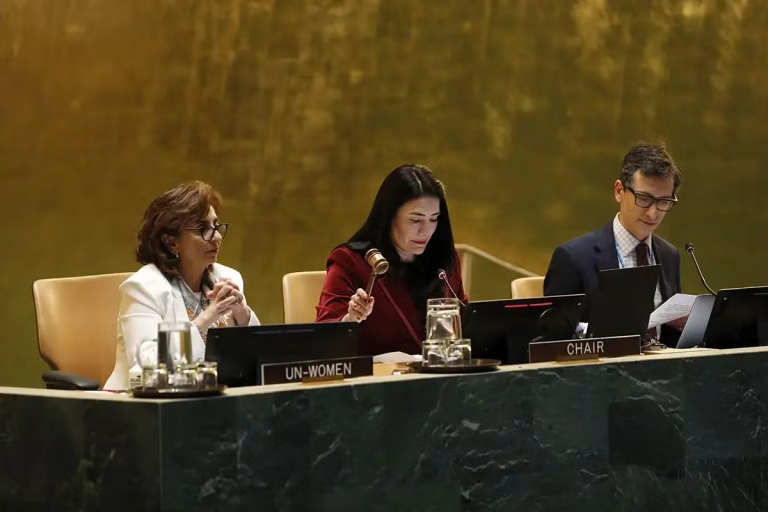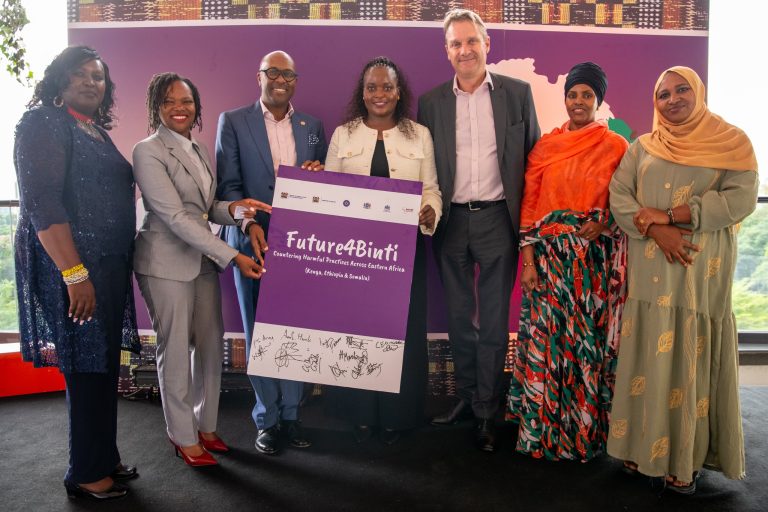
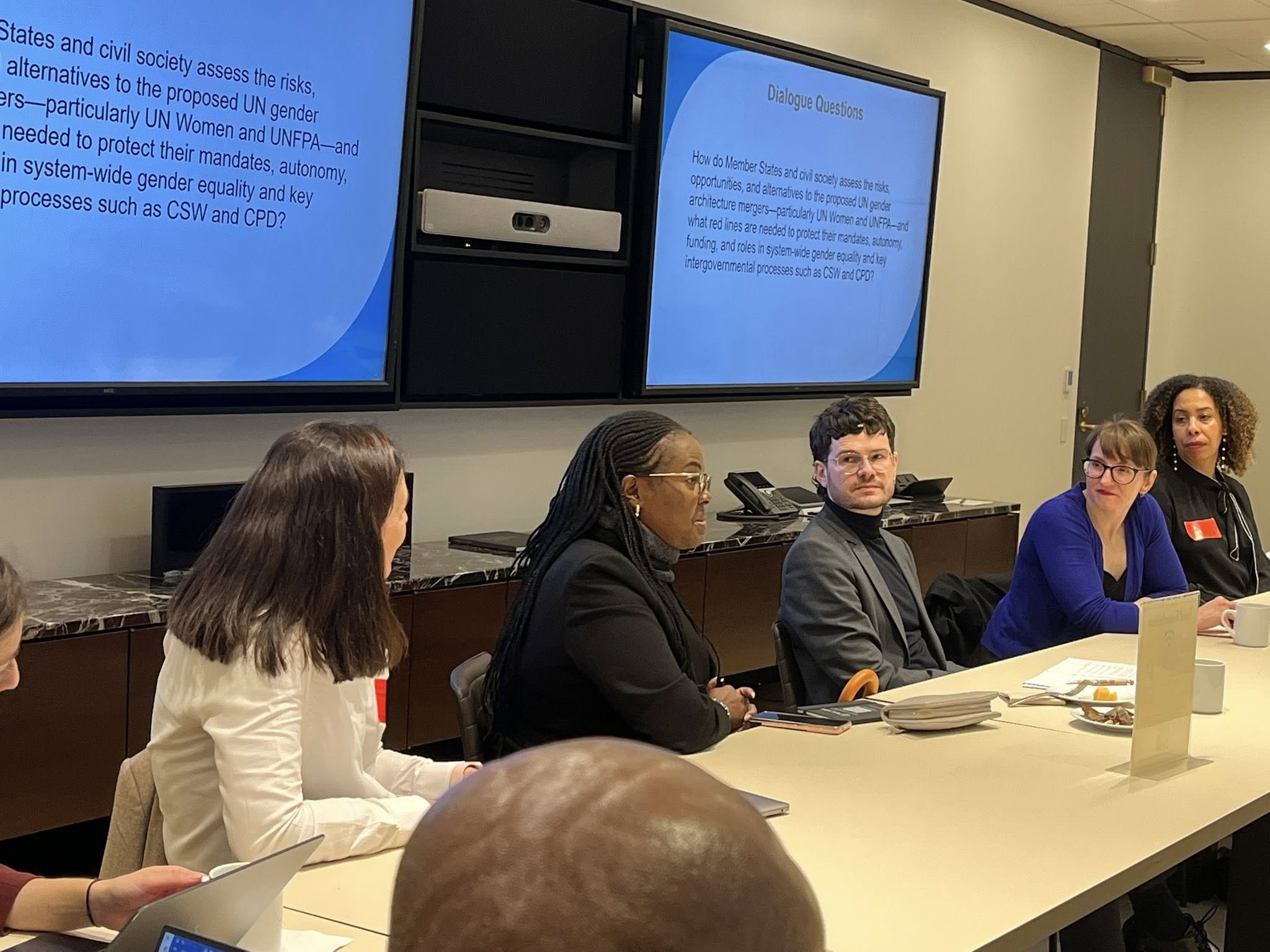
PS for Ministry of Gender, Culture and Children Services, Ann Wang’ombe, joined a high-level dialogue on advancing gender equality through the UN80 reforms.
The event was attended by policymakers, diplomats, and civil society leaders who discussed how reforms within the United Nations system can strengthen global efforts to promote women’s rights and gender-responsive governance.
In a statement shared on her Facebook page, Ann Wang’ombe said Kenya is undertaking an inclusive and consultative national process to interrogate the UN80 reform resolutions. She noted that the government is engaging a broad range of stakeholders, including government agencies, civil society organisations, development partners, and gender equality advocates, to ensure the country develops a comprehensive national perspective on the reforms within the United Nations system.
She emphasised that the consultations are designed to ensure that the outcomes of the UN80 reform process are clearly understood, nationally owned, and aligned with Kenya’s development priorities.
The process also seeks to strengthen policy alignment with national commitments on gender equality, women’s empowerment, and social justice, while enabling Kenya to contribute meaningfully to global discussions on strengthening the multilateral system.
PS Wang’ombe further underscored the importance of sustained stakeholder engagement in shaping reforms that respond to the realities and priorities of member states. She noted that Kenya remains committed to supporting reforms that promote inclusive governance, accountability, and stronger gender-responsive institutions within the UN system.
Key Challenges in Promoting Gender Equality
Despite global commitments to gender equality, several persistent barriers continue to slow progress. Gender discrimination and deeply rooted social norms remain among the most significant challenges. In many societies, these norms limit opportunities for women and girls in education, employment, leadership, and decision-making. When girls are undervalued, they are more likely to face harmful practices such as child marriage, early or teenage pregnancy, and child domestic labour, all of which restrict their opportunities for education and economic independence.
Limited access to quality education and healthcare further compounds these challenges. Girls who leave school early due to poverty, cultural expectations, or early marriage often struggle to secure decent employment or leadership opportunities later in life, perpetuating cycles of inequality across generations.
Gender-based violence and exploitation also remain widespread obstacles. Many women and girls continue to face sexual abuse, harassment, and other forms of violence in both public and private spaces. Fear of violence often prevents women from fully participating in education, employment, politics, and community life.
Economic inequality also contributes significantly to the problem. Women frequently earn less than men for similar work, face limited employment opportunities, and encounter barriers to accessing credit, land ownership, and business opportunities. These structural inequalities weaken women’s economic independence and influence.
Additionally, underrepresentation in leadership and decision-making spaces—including politics, corporate leadership, and public policy institutions—means that women’s perspectives are often absent when key decisions are made. Without inclusive leadership, policies may fail to fully address the needs and rights of women and girls.
The Way Forward
Addressing these challenges requires coordinated action from governments, communities, civil society organisations, and international institutions. Strengthening legal and policy frameworks is essential to protect women’s rights and ensure effective enforcement of laws against gender-based violence, child marriage, and workplace discrimination.
Expanding access to quality education for girls remains one of the most effective tools for empowering women and breaking cycles of inequality. Education improves economic opportunities, delays early marriages, and promotes leadership and civic participation.
Promoting women’s economic empowerment is equally important. Supporting women entrepreneurs, expanding access to financial services, ensuring equal pay, and increasing women’s participation in the labour market can significantly strengthen women’s economic independence.
Communities must also work to challenge harmful cultural norms and stereotypes that limit women’s roles in society. Engaging community leaders, youth, and men as allies can help shift attitudes and foster environments where women and girls can thrive.
Increasing women’s representation in leadership and governance is another critical step. Encouraging women’s participation in politics, business, and public service ensures that policies and development strategies reflect diverse perspectives and priorities.
Governments and institutions must also strengthen prevention and response mechanisms for gender-based violence, including survivor support services, safe reporting systems, and stronger justice systems that hold perpetrators accountable.
Finally, strong partnerships and global cooperation are essential. Collaboration among governments, civil society, the private sector, and international organisations can mobilise resources, share knowledge, and scale up effective programs that advance gender equality.
Ultimately, achieving gender equality requires sustained commitment, inclusive policies, and a societal shift that values women and girls equally. Empowering women not only improves individual lives but also strengthens economies, governance systems, and sustainable development outcomes for communities worldwide.
About the Author