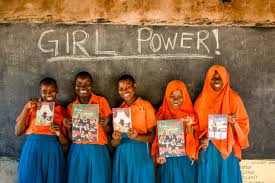
ZanaAfrica , in partnership with Education Design Unlimited and Dignitas have unveiled a new study aimed at improving gender equity and inclusion in Kenya’s most vulnerable schools.
The study was carried out in underserved and marginalised communities, exposing persistent structural and social barriers that continue to impede girls’ access to quality education.
These barriers include period poverty, gender-based stigma, limited access to safe sanitation facilities, economic hardship, and deeply entrenched social norms that often prioritise boys’ education over girls’.
The study comes at a critical time for Kenya’s education sector, as stakeholders intensify efforts to close gender gaps in learning outcomes, retention, and transition rates, particularly in informal settlements and rural regions where vulnerability is most pronounced.
According to the findings, practical interventions such as comprehensive menstrual health support, gender-responsive teaching practices, safe reporting mechanisms for gender-based violence, and stronger community engagement significantly improve attendance, participation, and confidence among girls.
The organisations involved emphasised that addressing gender inequities requires more than policy commitments. Instead, schools must adopt inclusive systems that integrate health, psychosocial support, teacher training, and community accountability frameworks.
The research also underscores the importance of empowering adolescent girls with life skills, reproductive health education, and leadership opportunities to build agency and resilience.
When girls are supported holistically, the ripple effects extend beyond classrooms into households and communities.
In Kenya, where disparities in education remain closely linked to poverty, geography, and gender norms, the study offers actionable guidance for policymakers, educators, and development partners seeking scalable solutions.
The findings reinforce the growing recognition that gender equity in education is not only a social justice imperative but also a strategic investment in national development. Ensuring that girls remain in school, complete their education, and thrive academically directly contributes to improved economic outcomes, healthier communities, and reduced inequality.
As stakeholders work to advance inclusive education reforms, the study provides a roadmap for translating commitment into measurable impact, especially for girls in the country’s most underserved learning environments.
About the Author