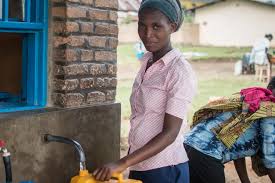
UNICEF and the Government of Japan have launched a three-year partnership to improve access to clean water, sanitation, and hygiene (WASH) services in Kenya.
Backed by KES 515 million, the initiative targets Garissa, Busia, Wajir, and Nairobi’s informal settlements, with a focus on ending open defecation, strengthening community resilience, and enhancing emergency preparedness.
“Japan greatly values its partnership with UNICEF and is proud to launch this collaboration to advance health coverage in Kenya,” said H.E Hiroshi Matsuura, Ambassador of Japan to Kenya.
The project will upgrade water and sanitation facilities in schools and health centres, implement market-based sanitation solutions, and pilot innovative rural water supply systems.
It will also train local authorities, health workers, and community groups, including women and youth, on installing, operating, and maintaining WASH systems, while reinforcing early warning systems for floods and climate-sensitive disease outbreaks.
This collaboration aligns with Japan’s commitments under the Tokyo International Conference on African Development (TICAD 9) framework, emphasizing universal health coverage, primary healthcare strengthening, and infectious disease prevention.
Dr. Shaheen Nilofer, UNICEF Kenya Representative, added, “By combining UNICEF’s expertise and local knowledge with Japan’s commitment to WASH, we aim to create lasting impact for children, families, and communities.”
With UNICEF’s deep technical expertise, local engagement, and ability to coordinate government, civil society, and private partners, the initiative seeks to deliver scalable, sustainable solutions that improve health, equity, and resilience across Kenya.
About the Author