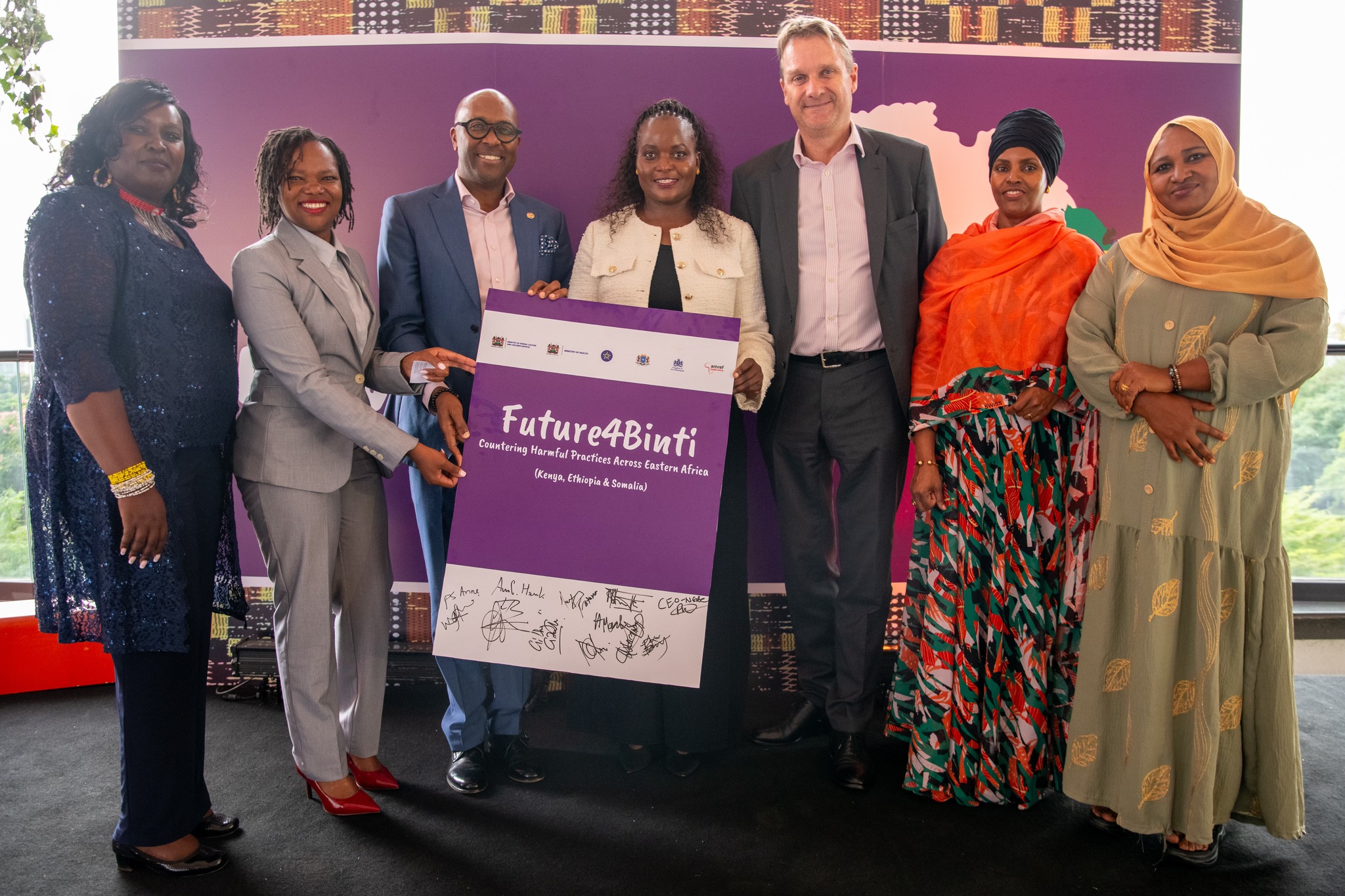
AMREF has launched Future4Binti, a five-year initiative supported by the Dutch Ministry of Foreign Affairs with a total budget of €50 million.
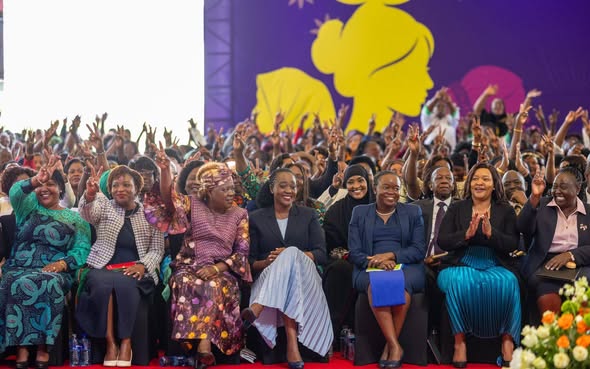
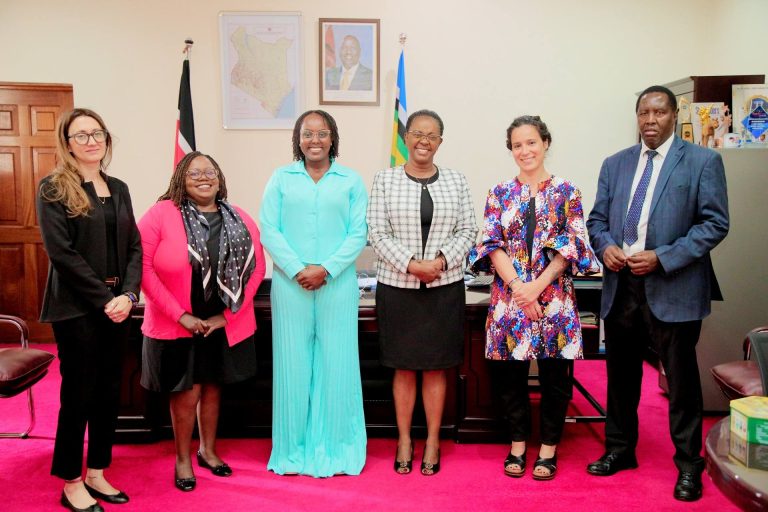
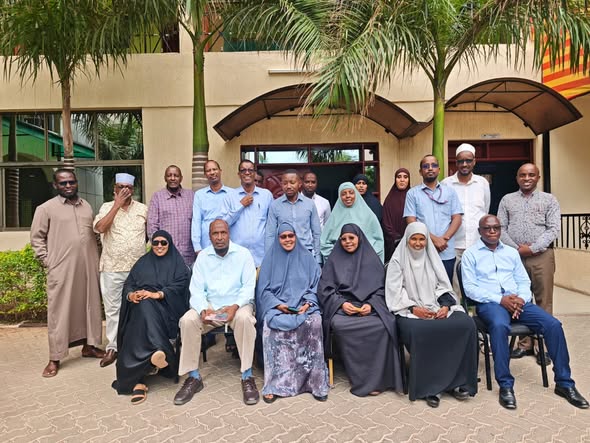
The launch united the Embassy of the Kingdom of the Netherlands in Kenya, senior government officials, and civil society organizations in a shared commitment to fast-track progress for adolescent girls. The program seeks to intensify efforts to end female genital mutilation (FGM) and child marriage across Kenya, Ethiopia, and Somalia.
Dr. Githinji Gitahi, AMREF CEO, highlighted the significance of the collaboration, noting that Dutch taxpayers are investing in transformative change across Africa. He emphasized that Africa’s long-term prosperity depends on unlocking the potential of its youth,particularly girls,while empowering communities to sustain progress from within.
The statistics highlight the urgent need for action. Currently, 650 million women globally were married as children, and over 200 million have survived #FGM. In Somalia, prevalence is 99%. In Ethiopia, nearly half of all girls are married before adulthood.
Kenya has reduced national FGM rates from 38.5% in 1998 to 14.9% in 2026, but some counties, such as Garissa, still report rates as high as 80%. In 2023, Kenya spent KES 6.9 billion delivering babies to adolescent mothers, underscoring the economic and human costs of these practices.
Beyond human rights, these figures point to lost potential. Investing in girls is not only a moral imperative but also a strategic economic decision.
H.E. Henk Jan Bekker, Ambassador of the Netherlands to Kenya, reinforced the message, stating:
“No nation can achieve meaningful development while sidelining half of its population.”
He noted that the Netherlands’ support extends beyond funding to a diplomatic commitment to gender equality, stability, and inclusive growth.
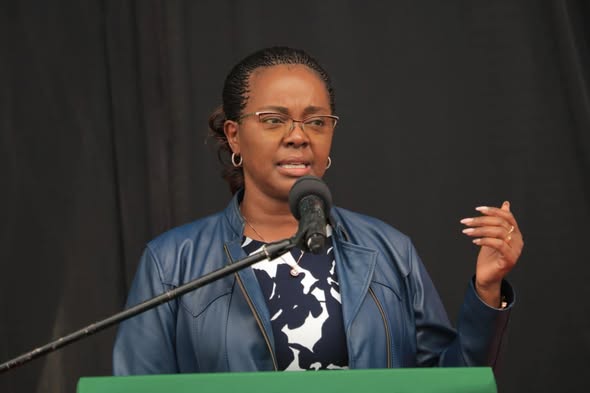
Harriette Chiggai, President’s Advisor on Women’s Rights in Kenya, affirmed that the dignity of girls must remain non-negotiable. While Kenya’s achievements are commendable, she called for intensified and coordinated efforts to close persistent gaps.
Future4Binti: Protecting Girls, Strengthening Communities
Future4Binti operates on the principle that borders should serve as bridges of protection, not opportunities for harm. By keeping girls in school, delaying childbirth, and protecting their rights, the program aims to:
Increase girls’ educational opportunities
Improve economic prospects for women and their families
Strengthen communities and national development
As the initiative demonstrates, when girls succeed, nations advance. Future4Binti is not just a program,it is a bold investment in the future of Eastern Africa.
About the Author