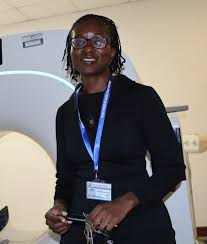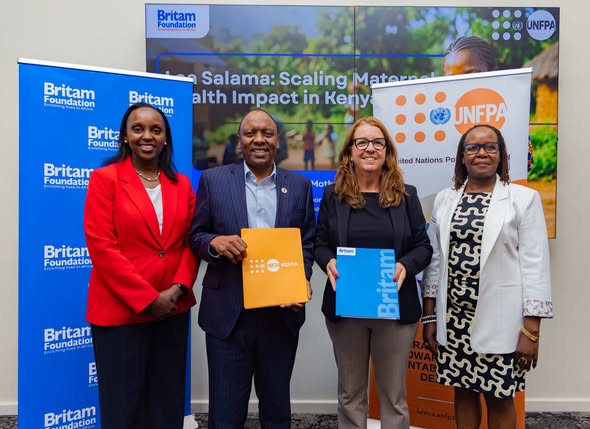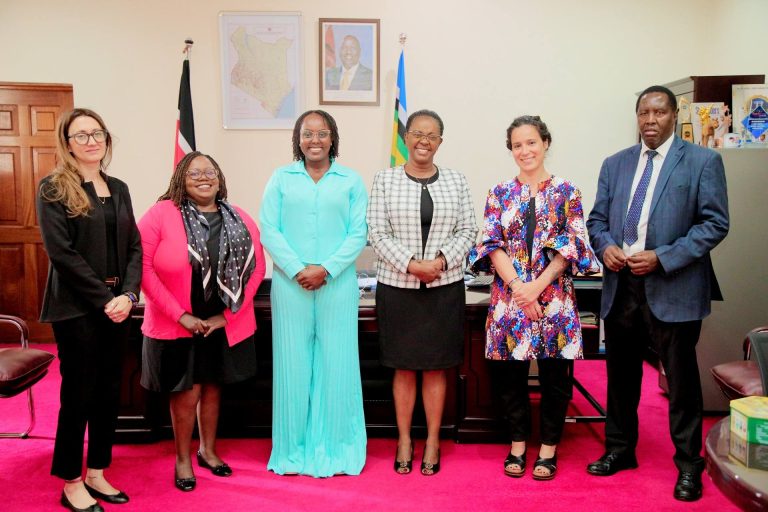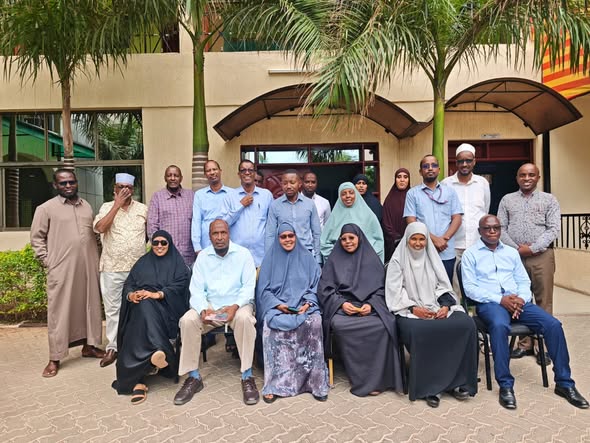
Baringo County has launched a Gender-Based Violence Recovery Centre at Baringo County Referral Hospital.
The initiative was spearheaded by Ms Hanna Cheptumo, the Cabinet Secretary for the Ministry of Gender, Culture, and Children Services, in partnership with the Gender Violence Recovery Centre.
According to the Ministry,the new centre is designed to provide an integrated, survivor-centred response, offering immediate medical care, psychosocial counselling, forensic documentation, and legal referrals all under one roof. This model reduces the burden on survivors who previously had to navigate multiple institutions to access care and justice.
Baringo County, like many rural and semi-arid regions in Kenya, has faced persistent challenges related to gender-based violence, including intimate partner violence, child marriage, defilement, and sexual assault. Limited access to specialised services has often meant survivors travel long distances or forego care altogether.
The establishment of the recovery centre is aimed at addressing critical service gaps by providing timely post-rape care, including HIV prevention (PEP), emergency contraception, and treatment of injuries, while also offering professional trauma counselling to support long-term emotional and psychological healing.
In addition, the centre ensures forensic medical examinations and proper documentation, which are essential components in strengthening court cases and facilitating legal referrals with clear linkages to law enforcement and child protection services.
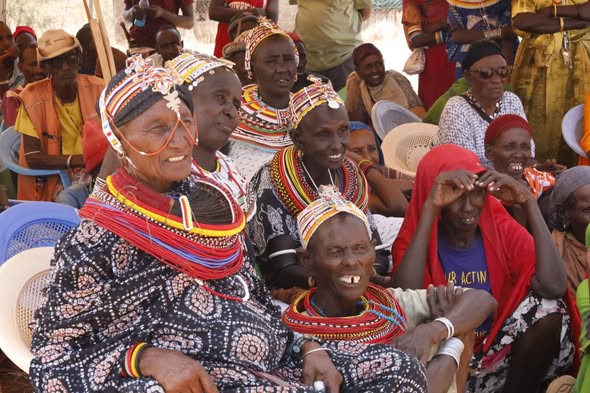
For women and girls in Baringo, this centre is more than a medical facility; it is a safe, confidential space where survivors can seek help without stigma, fear, or financial barriers.
Strengthening National Commitment to End GBV
The initiative aligns with the broader mandate of the State Department for Gender, which has intensified efforts to curb GBV through prevention campaigns, survivor support services, and policy implementation.
In recent years, Kenya has improved its laws and policies by introducing key laws such as the Sexual Offences Act, The Protection Against Domestic Violence Act, and the Children Act.
However, implementation often hinges on the availability of local response mechanisms. By situating the recovery centre within a county referral hospital, the government and its partners are decentralising services and ensuring that national protections translate into real, accessible support at the grassroots level.
What This Means for Kenya
The Baringo GBV Recovery Centre contributes to Kenya’s wider commitment to eliminate GBV by 2030, a pledge made under global frameworks and national strategies. It demonstrates the importance of Public-private partnerships in strengthening health and justice systems, integrating GBV response into mainstream healthcare delivery and prioritising rural and marginalised communities in service expansion.Scaling similar centres across counties is essential to building a responsive and survivor-focused system.
For Baringo women and girls, this is a turning point. It signals recognition, protection, and hope. It affirms that their safety matters, their voices count, and their healing is a national priority.
As more counties adopt integrated recovery models, Kenya moves closer to a future where survivors are not silenced by distance, stigma, or systemic gaps, but supported by structures designed to uphold their dignity and deliver justice.
About the Author