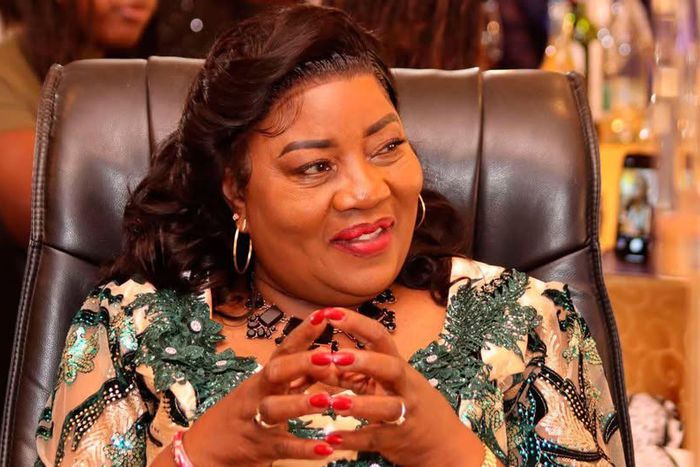
President William Ruto nominated Canon Dr Ida Betty Odinga to serve as Kenya’s Permanent Representative to the United Nations Environment Programme (UNEP).
The nomination, which was announced on January 23, 2026, places Dr. Odinga , a respected educator, civic leader and advocate for women’s empowerment , in line for one of Kenya’s most visible diplomatic assignments.
Once ratified by Parliament, she will represent Kenya at UNEP’s global forums, based in Nairobi, where discussions on environmental governance, climate policy, and sustainable development shape international action.
Dr Ida Odinga’s career spans several decades of service in education, civic activism and women’s development. She began her professional journey as a teacher, educating students at both secondary and national levels. Her leadership extended beyond the classroom into civic mobilisation during Kenya’s transition to multiparty democracy in the early 1990s. As the founding chairperson of the League of Kenya Women Voters, she championed increased political participation for women and worked to strengthen gender inclusivity in national leadership.
Beyond political advocacy, Dr. Odinga has been deeply involved in initiatives that uplift women and girls. She has encouraged access to quality education for female learners, supported community health awareness , including campaigns on breast cancer and mentored emerging women leaders across sectors. Her tenure as managing director of a major Kenyan manufacturing firm further solidified her role as a trailblazer for women in business leadership.
Her contributions to national development have been recognised through prestigious awards, including Kenya’s highest civilian honour, Elder of the Order of the Golden Heart (EGH), as well as honorary doctoral degrees for her service to society.
Linking Environment and Gender Equity
In her prospective role at UNEP, Dr. Odinga will engage with international counterparts to shape environmental policies that align with Kenya’s sustainable development goals. The position involves representing Kenya in UNEP’s Governing Council, participating in negotiations on climate change, biodiversity and pollution, and mobilising partnerships that support environmental resilience.
Women, particularly in rural and low-income urban communities, often bear the brunt of environmental challenges. Issues such as water scarcity, food insecurity, and reliance on biomass for energy impact women’s daily lives and economic opportunities. Dr. Odinga’s nomination brings the voice of women’s experience to the highest levels of environmental diplomacy.
Analysts note that her background in gender advocacy is likely to influence how Kenya engages with emerging global frameworks that seek to integrate gender equity with environmental sustainability. This could translate into stronger national and regional programmes that prioritise women’s access to climate finance, participation in green economies, and leadership in community resilience initiatives.
Implications for Women in Kenya
For many Kenyan women, Dr. Odinga’s nomination signals more than a diplomatic appointment , it represents the intersection of women’s leadership and environmental action. Her visibility in an international arena reinforces the message that women belong in decision-making spaces, particularly those that shape policies with far-reaching impact on communities.
Her potential tenure at UNEP may open avenues for women-centred environmental programmes, enhanced opportunities for girls in science and technology, and increased support for local innovations addressing climate and sustainability challenges.
The nomination has elicited diverse responses in public discourse. Supporters highlight Dr. Odinga’s extensive record in advocacy and her capacity to elevate Kenya’s voice on the global stage. Some commentators have framed the nomination within broader political conversations. Regardless of political perspective, many civil society organisations have underscored the significance of her leadership credentials and her longstanding commitment to women’s issues.
The next step in the process is parliamentary approval, after which Dr. Ida Odinga would assume her duties at UNEP headquarters in Nairobi.
About the Author