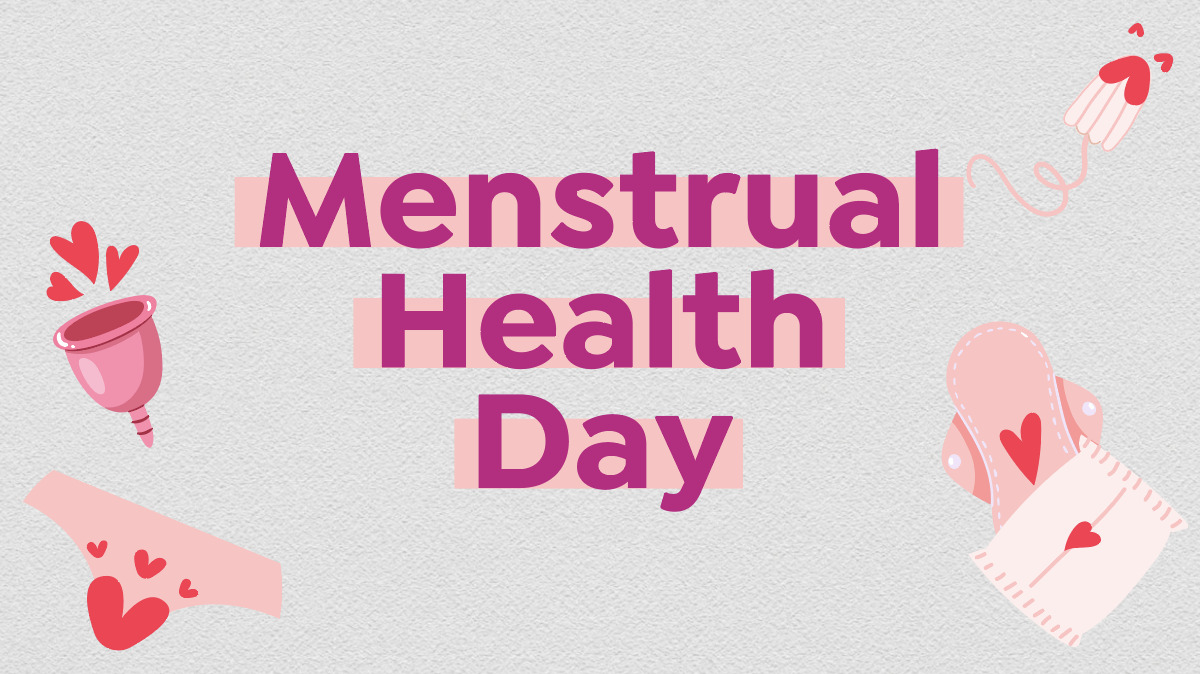
Nairobi City County is the first in Kenya to grant women employees two monthly Menstrual Health Days under its HR policy.
The policy, approved by the County Executive Committee during a meeting led by Governor Johnson Sakaja, marks a milestone in integrating gender-sensitive health provisions into public workplace frameworks.
Women employed by Nairobi County Government are now entitled to up to two days off monthly to address menstrual health needs. This initiative acknowledges the significant impact of menstrual-related conditions, such as severe menstrual pain (dysmenorrhea), on women’s overall wellbeing and work performance.
County documents cite studies estimating that 65–80% of women experience menstrual pain, with many reporting symptoms severe enough to hinder productivity. With women making up more than half of the county’s workforce, the move directly addresses the challenge of presenteeism—being present at work but unable to perform effectively due to discomfort or fatigue.
The introduction of Menstrual Health Days is seen as a reflection of Nairobi’s ongoing commitment to employee welfare, inclusivity, and gender-responsive workplace policies. While Governor Sakaja’s direct comments are yet to be released, county officials say the goal is to enhance staff wellbeing and institutional productivity by formally recognizing menstrual health in HR guidelines.
Nairobi’s decision places it among a growing number of governments and organizations worldwide that recognize menstrual health as a workplace issue. Countries such as Indonesia, Japan, Spain, and Zambia have implemented various forms of menstrual leave. In Kenya, while menstrual health is widely addressed as a public health issue, workplace policies have lagged—making Nairobi’s step a national first.
Health and gender advocates have welcomed the policy, highlighting its role in reducing the pressure on women to work through pain or risk income loss. However, experts underscore that menstrual health days are only part of a broader solution. Comprehensive support must also include access to affordable menstrual products, adequate sanitation, and ongoing efforts to combat stigma.
National and international organizations, including Kenya’s Ministry of Health and UNFPA, continue to push for expanded menstrual health services and policies to tackle persistent issues such as period poverty and limited product access.
Complementary efforts like pad banks and menstrual health outreach programs reinforce the need for holistic approaches,ensuring women’s health, dignity, and full participation in the workforce. This landmark policy positions Nairobi City County as a leader, setting an example for other counties and employers in Kenya to reimagine workplace support for m
About the Author