Kenya’s Parliamentary Committee on Social Protection has urged the government to strengthen and refine the National Policy on Women’s Economic Empowerment, stressing that genuine progress for women requires strong structures, coordinated efforts, and sufficient funding.
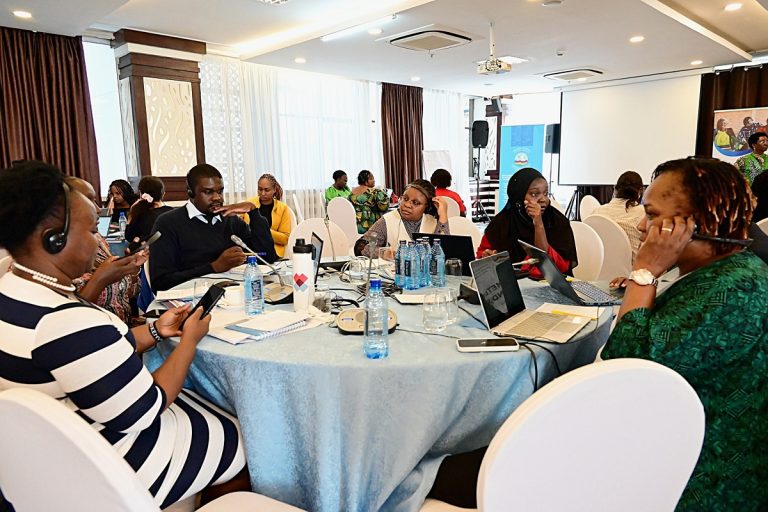
During a consultative session held at Parliament Buildings in Nairobi, the Committee, chaired by Hon. Alice Ng’ang’a, met with representatives from the African Centre for Parliamentary Affairs (ACEPA), Parliamentary Centre, civil society organizations, and various women’s rights groups to review the draft policy.
While acknowledging the intent behind the proposed policy, MPs expressed concern that the draft version lacks clarity, depth, and adequate stakeholder engagement. They noted that the framework should complement , not duplicate ,existing structures and mandates, particularly the roles played by Women Representatives (Women Reps) across Kenya’s 47 counties.
“We need a structured, inclusive, and well-grounded approach that builds on existing institutions and mandates,” said Hon. Ng’ang’a. “Empowerment cannot be achieved through parallel structures that confuse roles and waste resources.”
Members of the Committee questioned why the new policy introduces fresh structures instead of empowering and expanding the capacity of current ones such as Women Representatives and the Kenya Women Parliamentary Association (KEWOPA).
Laikipia Woman Representative Hon. Jane Kagiri criticized the lack of consultation with key actors, noting that KEWOPA and other women-led networks had not been adequately involved in the policy’s formulation.
“This work requires depth, dignity, and inclusion , not a tick-box approach,” she said.
Similarly, Hon. Joyce Bensuda emphasized the success of existing grassroots programs led by Women Representatives, urging the government to channel more funding toward these initiatives rather than creating overlapping bodies.
“Women Reps are already delivering results. Fund and expand their mandate , don’t undermine them with poorly developed frameworks,” she said.
Busia Woman Representative Hon. Catherine Omanyo added: “Strengthen what works. Fund what empowers. Women deserve serious policy, not duplication.”
Key Focus Areas for Empowerment
Despite the challenges, the Committee recognized the importance of the proposed policy’s thematic areas, which focus on inclusive infrastructure, transport safety, digital inclusion, ICT access, and climate-smart skills development ,a critical enablers for women’s empowerment in a rapidly evolving economy.
Legislators, however, called for clear strategies on implementation, accountability, and funding, stressing that policies must translate into tangible outcomes for women at both national and grassroots levels.
The Committee is scheduled to meet the Cabinet Secretary for Gender, Culture and Children Services on November 13, 2025, to seek clarity on the policy’s intent, structure, and funding mechanisms. The goal is to ensure that the final framework aligns with Kenya’s development agenda and genuinely advances women’s economic empowerment.
“As Parliament, we are committed to ensuring that every woman in Kenya benefits from policies that are credible, effective, and inclusive,” said Hon. Ng’ang’a.
The ongoing debate signals a growing demand for accountability and impact in Kenya’s gender policy space , where empowerment must move from paper to practice.
About the Author