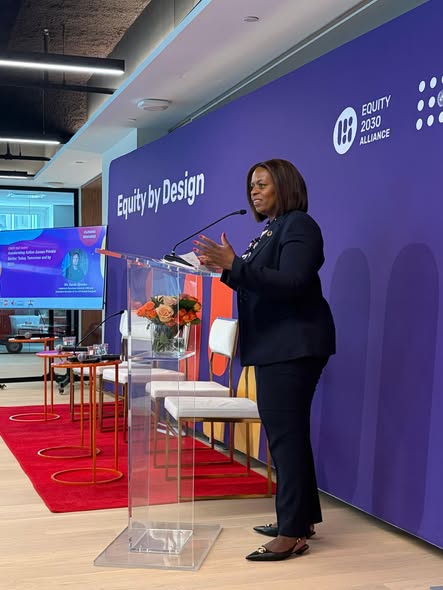
The 70th session of the Commission on the Status of Women has concluded, bringing together global leaders to assess progress and tackle ongoing barriers to gender equality.
Held at the United Nations headquarters in New York, this year’s session served as a critical platform for evaluating commitments, sharing solutions, and identifying areas where urgent action is needed, particularly within the private sector.
As the world navigates economic uncertainty, technological disruption, and shifting labour markets, gender equality remains both a moral priority and a strategic necessity.
Over the course of two weeks, the UN Global Compact played a central role in convening business leaders and stakeholders through a series of discussions and high-level engagements. These conversations focused on how companies can accelerate progress while safeguarding the gains already made.
The message across sessions was clear: advancing gender equality is no longer optional—it is essential for sustainable business growth and long-term resilience.
Gender Equality as a Business Imperative
One of the most consistent themes emerging from CSW70 was the recognition that gender equality drives business performance.
Organisations with diverse leadership teams are more innovative, better at decision-making, and more successful at attracting and retaining top talent. Yet despite this evidence, many companies have been slow to implement meaningful change.
Bridging this gap will require stronger advocacy, clearer data, and more compelling business cases to engage companies that remain unconvinced.
The “Broken Rung”: A Persistent Structural Barrier
A major focus of discussion was the “broken rung”—the critical point at which women are less likely than men to be promoted into their first management role.
This early inequality has long-term consequences. When fewer women enter management, fewer are available to rise into senior leadership, creating a ripple effect that limits representation at the top.
Addressing this challenge requires targeted interventions such as:
- Transparent promotion pathways
- Bias-free evaluation systems
- Leadership development programs for women
Without fixing this foundational step, broader gender equality goals will remain out of reach.
Closing the Sponsorship Gap
Another key issue highlighted was the lack of access to sponsorship for women.
While mentorship provides guidance, sponsorship actively opens doors. Senior leaders who advocate for high-potential women can significantly influence career progression. However, access to such sponsors remains uneven, particularly in male-dominated industries.
To address this, companies are being encouraged to institutionalise sponsorship programs, ensuring that opportunities for advancement are more equitably distributed.
The Future of Work: Risks and Opportunities
The rapid rise of artificial intelligence and automation is reshaping the global workforce. While these technologies present opportunities for growth and innovation, they also pose risks for gender equality.
Without intentional action, women could be disproportionately affected by job displacement or excluded from emerging tech-driven roles. This makes it critical for organisations to invest in:
- Digital skills training for women
- Inclusive workforce planning
- Policies that prevent widening gender gaps
Ensuring that women are not left behind in the future of work is a key priority moving forward.
From Commitment to Accountability
A central takeaway from CSW70 is that progress must move beyond commitments to measurable action.
This includes:
- Setting clear gender equality targets
- Tracking and reporting progress
- Embedding accountability at leadership levels
The UN Global Compact reaffirmed its role in driving this agenda by bringing together business leaders and supporting companies in translating ambition into tangible results.
As CSW70 comes to a close, it is evident that while progress has been made, significant challenges remain. Achieving gender equality in business will require coordinated efforts across sectors, sustained investment, and a willingness to confront structural barriers head-on.
The path forward demands urgency, innovation, and accountability—but it also presents an opportunity to build more inclusive, resilient, and equitable economies.
The outcomes of CSW70 reinforce a simple but powerful truth: gender equality is not just a social goal—it is a driver of economic growth and sustainable development.
By addressing systemic barriers such as the broken rung, closing sponsorship gaps, and preparing women for the future of work, businesses can play a transformative role in shaping a more equitable world.
As global conversations continue, the focus must now shift from dialogue to delivery—ensuring that commitments made translate into meaningful change for women everywhere.
About the Author