
Kenya loses an estimated Sh41 billion annually to the economic and social costs of gender-based violence and femicide.
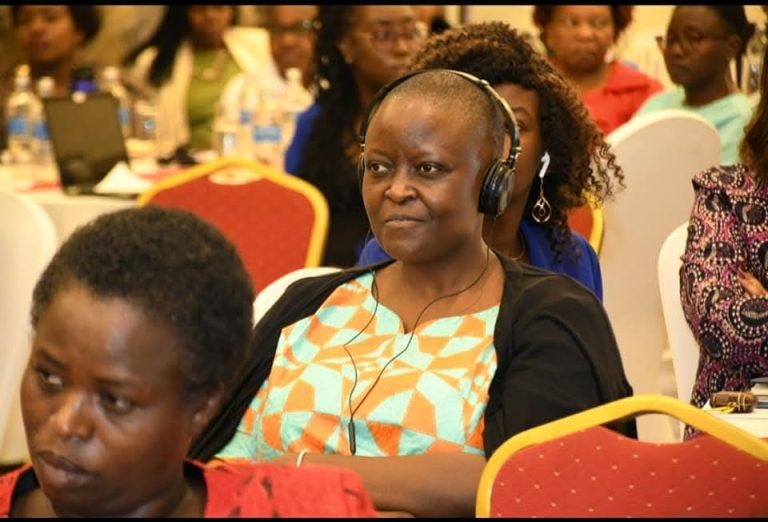
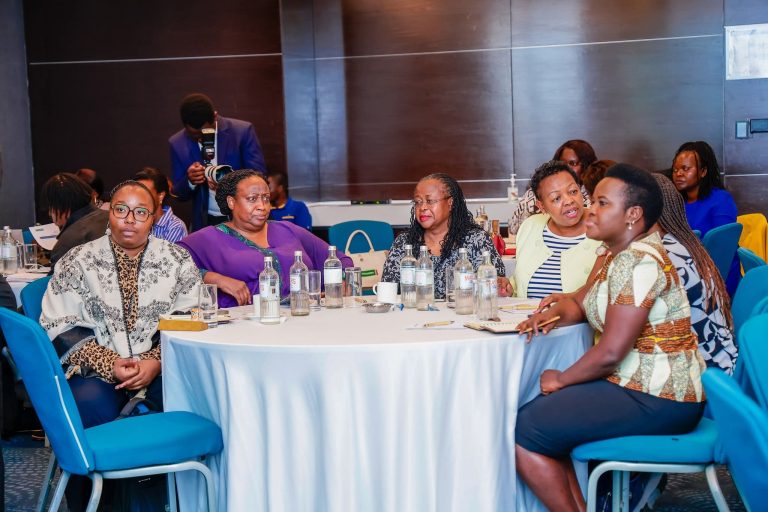
The figures were revealed by the Technical Working Group on GBV, including femicide, during a plenary meeting held at the Kenyatta International Convention Centre (KICC).
Speaking at the meeting, the Working Group Chairperson, Nancy Baraza, noted that the scale of the loss underscores the urgent need for coordinated national action. She said that GBV and femicide are not only human rights violations but also a significant drain on economic productivity and public resources.
“Sh41 billion per year is a substantial loss. Addressing GBV and femicide decisively would allow the country to redirect time, resources, and funding towards economic growth and social development,” Baraza said.
The Working Group, drawing on research and submissions from academics in local universities, has generated data intended to inform policy reviews and strengthen Kenya’s legal, policy, and institutional responses to GBV, including femicide. Contributions came from anthropologists, sociologists, gender experts, and theologians, offering a multidisciplinary perspective on the drivers of violence.
Baraza confirmed that the Kenyatta University Women’s Economic Empowerment Hub (KU-WEE) validated the Sh41 billion estimate. The Hub, which focuses on research and interventions that promote women’s economic empowerment, demonstrated a clear link between economic disempowerment and vulnerability to GBV.
“Women who are economically disempowered are more likely to remain in abusive environments,” Baraza noted, adding that economic empowerment is a critical protective factor against violence.
The Working Group also raised concern over rising cases of GBV and femicide in learning institutions. Research findings highlighted the reluctance of young people to report abuse, often due to fear, stigma, or lack of trust in reporting mechanisms. In some cases, unreported violence escalates into fatal outcomes.
Baraza emphasised that addressing GBV and femicide requires a holistic, society-wide approach involving families, institutions, communities, and the state. She further called for enhanced training and resourcing of police officers, chiefs, and other frontline authorities to ensure survivors are treated with dignity and without stigma.
Strategies to Mitigate GBV and Femicide in Kenya and Across Africa
Experts and advocates increasingly agree that reducing GBV and femicide across Africa requires sustained, multi-sectoral interventions, including:
Economic empowerment of women and girls: Expanding access to education, skills training, decent work, and financial inclusion to reduce dependency and vulnerability.
Strengthening legal and policy frameworks: Enforcing existing laws, closing legal gaps, and ensuring swift accountability for perpetrators.
Improving reporting and response systems: Establishing confidential, survivor-centred reporting mechanisms, especially for young people, and ensuring access to psychosocial and legal support.
Training frontline responders: Equipping police, community leaders, healthcare workers, and judicial officers with trauma-informed approaches to handling GBV cases.
Changing harmful social norms: Investing in community education, engaging men and boys, and addressing cultural practices that normalise violence.
Data-driven decision-making: Supporting research and national data systems to accurately measure the economic and social costs of GBV and guide effective interventions.
As Kenya confronts the staggering cost of GBV and femicide, policymakers and civil society leaders argue that prevention is not only a moral and social imperative, but also an economic necessity—one that could unlock billions of shillings for national development if addressed decisively.
About the Author