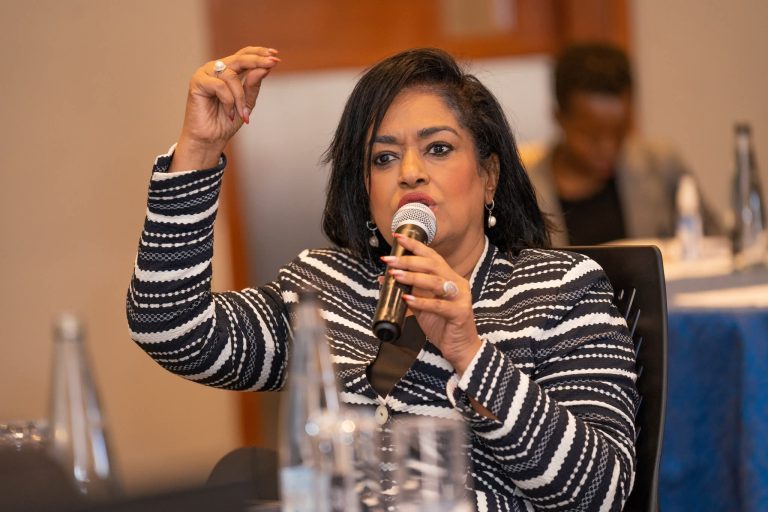

Adanech Abiebie, the first woman to lead Ethiopia’s capital, has emerged as a reformist leader whose ambitious agenda continues to divide opinion.
Born in the Arsi Zone of Ethiopia’s Oromia region, Adanech was the only daughter among six siblings. She began her professional journey as an elementary school teacher, later advancing to become the school’s administrative director. In 2001, she obtained a law degree from the Ethiopian Civil Service University, the same year she started working as an attorney with the Oromia Justice Bureau, launching her path into public service and law.
Political Ascendancy: Regional and National Roles
Adanech’s political ascent began in 2005 when she was elected to represent the Aseko constituency in the national parliament. She soon assumed a leadership position at the Oromia Development Association (ODA), where, over five years, she revitalized the organization, significantly expanding its budget and overseeing the construction of new educational facilities.
Her achievements in this role led to her appointment as mayor of Adama, one of Oromia’s major cities. As the city’s first female mayor, she reorganized the local administration into six districts, aiming to enhance governance and combat corruption.
In October 2018, Adanech was appointed head of the Ethiopian Revenues and Customs Authority,later renamed the Ministry of Revenue,a vital position in the nation’s economy. Her tenure was defined by a strong stance against corruption and bribery, underscoring her commitment to transparency and accountability. On March 12, 2020, she broke another glass ceiling, becoming the first woman to serve as Ethiopia’s Federal Attorney General.
Adanech’s trajectory continued upward in August 2020 when she became Deputy Mayor of Addis Ababa. A year later, on September 28, 2021, she was elected as the 32nd Mayor of the city,the first woman in the office’s history, which dates back to 1910. In her inaugural address, she promised inclusive growth, improved housing, modern infrastructure, and greater support for the city’s most vulnerable residents.
Modernization and Global Recognition
Since taking office, Adanech has steered Addis Ababa through sweeping urban transformation, launching new roads and “corridor” redevelopment projects, affordable housing initiatives, public service reforms, and job creation programs. Her leadership has attracted international acclaim: in March 2024, she received the African Leadership Magazine Female Leader of the Year Award for her achievements in governance and anti-corruption, followed by the Seoul Smart City Prize 2024 Best Leadership Award for advancing Addis Ababa as a smart, sustainable city.
Despite her successes, Adanech’s ambitious urban renewal policies have drawn criticism. Detractors argue that her administration’s focus on modernization and aesthetics sometimes comes at the expense of low-income communities. Widespread eviction and redevelopment,particularly in older neighborhoods,have sparked concerns about displacement and insufficient compensation. Human rights advocates warn that rapid redevelopment could threaten social cohesion and displace vulnerable groups.
Adanech Abebiye’s leadership presents a challenging balancing act between driving economic growth, modernizing infrastructure, and ensuring inclusive development. While her reforms have reshaped the city’s skyline, her legacy may ultimately be defined by how well her administration addresses the needs of those most affected by change. As Addis Ababa continues to grow, the question remains whether progress will translate into prosperity for all its citizens.
About the Author