Kenya has taken a major step toward recognizing women’s invisible contributions to the economy with the launch of the Economic Value of Unpaid Domestic and Care Work Report, 2025.
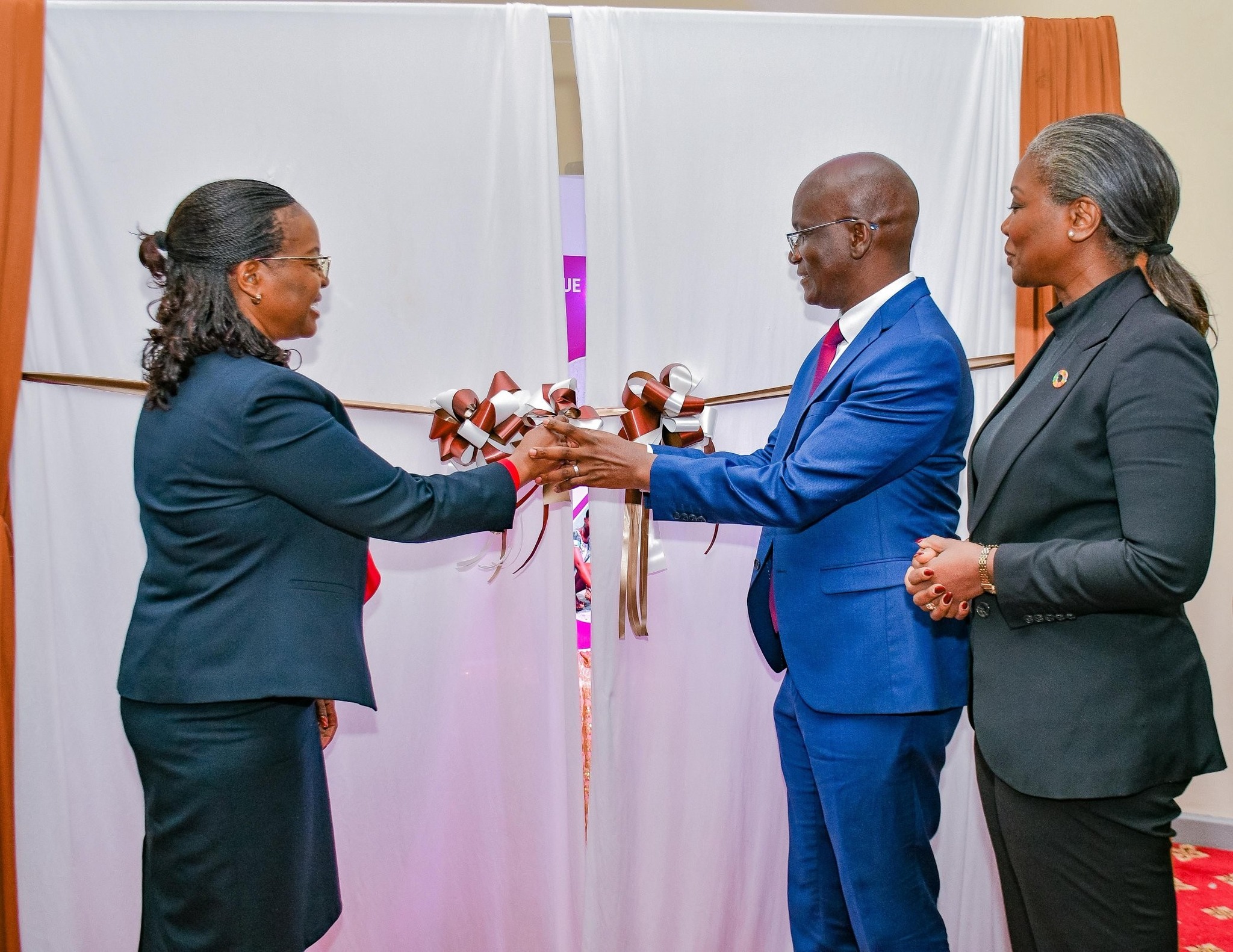
Unveiled on Tuesday, November 4, 2025, in Nairobi.,the report, developed in partnership with the Kenya National Bureau of Statistics (KNBS) and other key stakeholders, offers a groundbreaking assessment of how unpaid domestic and care work , activities such as childcare, elder care, cooking, and cleaning , contribute to Kenya’s economy but remain largely unaccounted for in formal economic indicators like GDP.
Unpaid care work, often carried out by women and girls, forms the backbone of households and communities. Yet, despite its critical role in sustaining families and supporting the labor force, it has long been undervalued and overlooked in economic planning.
The 2025 report quantifies this invisible labor, revealing that each woman’s unpaid work is valued at approximately KSh 118,845 annually, underscoring the massive but hidden economic contribution of women across Kenya.
“The findings of this report shine a light on an economy within an economy , one that runs on the unpaid time, energy, and care of women,” said Principal Secretary Anne Wang’ombe, who officiated the launch alongside Dr. Boniface Makokha of the State Department for Economic Planning.
PS Wang’ombe noted that the study provides crucial evidence to guide national planning and policymaking, particularly in the ongoing development of the National Policy on Women’s Economic Empowerment and the National Care Policy.
“These insights are essential for designing interventions that reduce gender disparities, redistribute care responsibilities, and promote women’s full participation in the economy,” she said.
The report emphasizes that recognizing and valuing unpaid care work is key to achieving inclusive growth and advancing Kenya’s Bottom-Up Economic Transformation Agenda (BETA). It calls for integrating care economy data into national statistics, budgeting, and social protection frameworks.
Stakeholders Call for Action
The event brought together representatives from government, development partners, and civil society who reaffirmed their commitment to championing women’s economic rights.
Among those present were Ms. Antonia N’gabala, UN Women Kenya Country Representative; Dr. Daniel M’Amanja, KNBS Board Chairperson; Dr. Macdonald Obudho, KNBS Director General; Dr. Eldah Onsomu, Executive Director of the Kenya Institute for Public Policy Research and Analysis (KIPPRA); and Florence Syevuo, Executive Director of the SDGs Kenya Forum, among others.
UN Women’s Ms. N’gabala applauded the Kenyan government for taking a data-driven approach to gender equality. “Recognizing unpaid care work is not just about fairness; it’s about smart economics. When care work is valued, women can be empowered, and economies become more resilient,” she said.
The report recommends developing a comprehensive national care framework, expanding childcare infrastructure, and encouraging shared household responsibilities between men and women. It also calls for investment in time-saving technologies, social protection for caregivers, and policies that enable both men and women to balance work and family life.
By placing a monetary value on care work, Kenya joins a growing global movement to redefine productivity and reimagine economic measurement to include all forms of labor ,visible or invisible.
The launch of the Economic Value of Unpaid Domestic and Care Work Report marks a turning point in Kenya’s pursuit of gender equality , affirming that true progress begins when every woman’s work counts.
About the Author