

In this story
For many African women, menopause remains a largely misunderstood stage of life, often accompanied by symptoms they struggle to explain, limited access to specialised healthcare and a lack of reliable information.
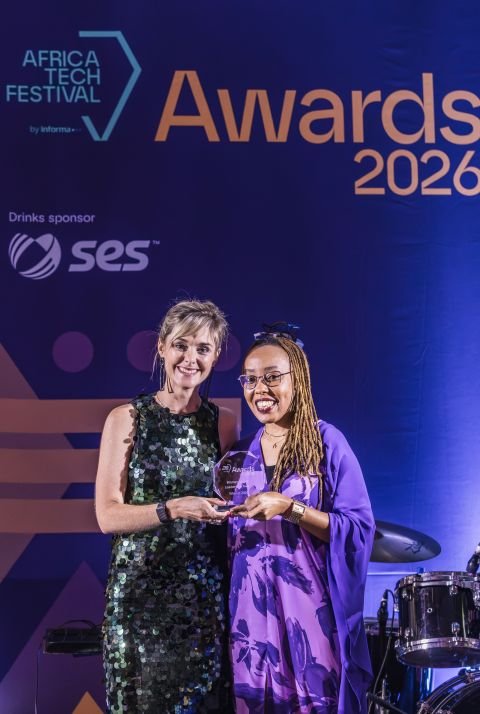
Kenyan entrepreneur and healthcare professional Sheila Omondi wants to change that through HALI Women Limited, a digital health platform using WhatsApp to help women understand hormonal changes, navigate menopause and connect with qualified medical professionals.
Founded in Nairobi and launched in October 2026, HALI is designed to make menopause support more accessible by meeting women on a platform they already use daily: WhatsApp.
Bringing Menopause Support Closer to Women
HALI provides women with a structured way to understand symptoms associated with perimenopause and menopause, the transitional stages leading to and following the end of menstruation.
Through the platform, women complete a free 39-question assessment covering eight areas of health. Their responses are organised into a format that can be reviewed by a doctor, helping medical professionals better understand their symptoms and provide appropriate guidance.
Importantly, HALI does not diagnose conditions or prescribe medication. Instead, it serves as a healthcare navigation service, connecting women to qualified doctors who make clinical assessments and decisions.
Women who want a medical consultation can access virtual appointments at KSh 4,500 when paying independently. Those enrolled in participating employer-sponsored healthcare plans can also access the service through their workplace arrangements.
Beyond the initial assessment and consultation, HALI provides follow-up support, recognising that menopause care is not a one-time conversation but an ongoing health journey.
The Woman Behind HALI
Sheila Omondi is a nurse by training with more than 15 years of experience in clinical research, real-world evidence and pharmaceutical consulting.
Her professional background spans clinical operations, contract research organisation management and healthcare innovation. She has also undertaken an executive leadership programme at Cambridge Judge Business School, strengthening her interest in developing healthcare solutions that respond to the realities of African communities.
Her experience in healthcare research and pharmaceutical consulting provides a foundation for HALI’s approach to menopause support, particularly the need to connect women’s experiences with evidence-based medical care.
Rather than treating menopause as an isolated medical issue, the platform seeks to give women a clearer understanding of their bodies and a structured pathway to professional support.
Addressing the Gaps in Women’s Healthcare
Across Africa, conversations about menopause are often limited by stigma, misinformation and inadequate access to specialised care.
Many women experience symptoms such as hot flashes, sleep disturbances, mood changes and hormonal fluctuations without knowing where to seek help or whether what they are experiencing is associated with menopause.
For women navigating demanding careers, family responsibilities and other aspects of daily life, accessing appropriate healthcare can also be challenging.
HALI’s WhatsApp-based model offers an alternative entry point, reducing the barriers associated with finding information and navigating healthcare services.
The platform also has ambitions beyond individual consultations.
It aims to build locally relevant data on African women’s hormonal health experiences, helping address gaps in knowledge about how women across the continent experience perimenopause and menopause.
Expanding Access Beyond Corporate Healthcare
While HALI currently offers access through individual payments and employer-sponsored healthcare arrangements, its longer-term ambition is to reach more women beyond corporate healthcare schemes.
The company is also planning to test Kiswahili-language support in 2027, an important step towards making menopause information and care navigation more accessible to women who may be less comfortable using English-language healthcare services.
This could help extend the platform’s reach to a broader population of Kenyan women and potentially inform its expansion into other African markets.
A New Conversation About Menopause in Africa
Sheila Omondi’s work with HALI highlights an important but often overlooked area of women’s health entrepreneurship: the need for healthcare solutions that recognise women’s experiences at different stages of life.
As Africa’s digital health sector continues to evolve, platforms such as HALI demonstrate how familiar technologies can be used to connect women with medical expertise and ongoing support.
For Omondi, the ambition goes beyond introducing another digital health service. It is about making menopause a more openly discussed health issue, improving access to professional care and generating evidence that reflects the experiences of African women.
By bringing menopause support to WhatsApp, HALI is opening another door for women seeking answers, understanding and better healthcare.