A total of 826 women and girls across Montserrado, Nimba and Lofa Counties in Liberia have been identified and validated to participate in upcoming inclusive skills training and livelihood interventions.
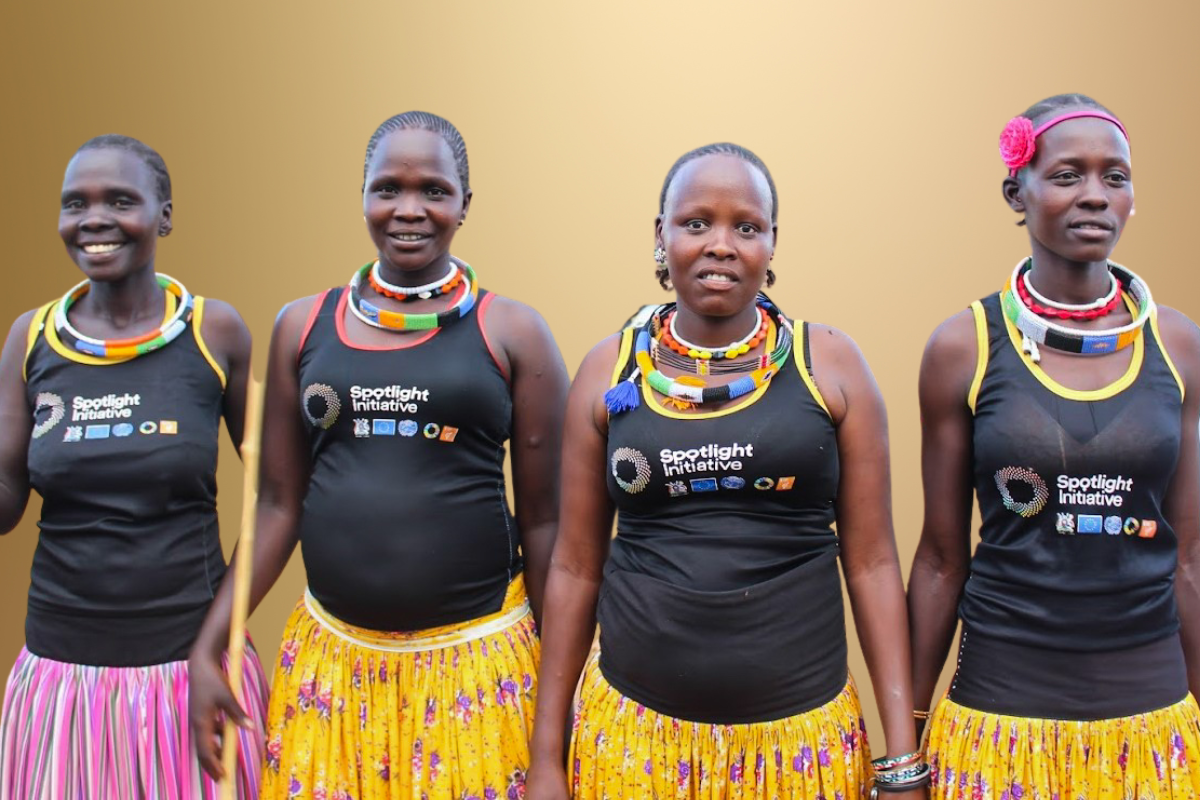
The initiative is being implemented under Spotlight Initiative 2.0, with support from the European Union and UN Women Liberia, and is being carried out by Youth Crime Watch of Liberia (YCWL).
The programme seeks to expand economic opportunities for women and girls while addressing some of the social and economic factors that can increase their vulnerability to violence, harmful practices and exclusion.
Who Will Benefit?
The intervention focuses on women and girls who often face multiple barriers to education, employment and economic opportunities.
These include SGBV survivors, former female genital mutilation (FGM) practitioners, girls at risk of harmful practices, women living with disabilities and women in female-headed households.
For many of these women and girls, poverty, limited access to education and livelihoods, gender inequality and harmful traditional practices can make it difficult to achieve financial independence and participate fully in community life.
By providing skills development and livelihood opportunities, the programme aims to help beneficiaries strengthen their economic resilience and improve their ability to support themselves and their families.
Community Engagement Shaped the Programme
Before beneficiary identification began, YCWL engaged communities and key stakeholders to understand local challenges and ensure that the intervention reflected the needs of women and girls.
Between May 20 and 26, 2026, stakeholder engagement meetings were held in Vezala in Lofa County, Banquelleh in Nimba County and Block Path Community in Montserrado County.
The meetings brought together representatives from the Ministry of Gender, Children and Social Protection, local government authorities, civil society organisations, community leaders, religious leaders, representatives of persons with disabilities, SGBV survivors, girls at risk, former Zoes, practicing Zoes and women’s groups.
Participants discussed the challenges affecting women and girls, potential economic opportunities and the importance of ensuring that vulnerable groups are included in development initiatives.
The consultations also helped strengthen community ownership of the programme and informed the beneficiary identification process.
826 Beneficiaries Identified and Validated
Following the stakeholder consultations, YCWL conducted community-based mapping, identification, verification and validation exercises across Montserrado, Nimba and Lofa Counties.
Community structures, survivor networks, women’s groups, traditional leaders, youth representatives and local authorities participated in identifying eligible beneficiaries using agreed and transparent selection criteria.
The process resulted in 826 beneficiaries being identified and validated for the upcoming skills training and livelihood interventions.
The verified beneficiary database will guide the next phase of the programme, including beneficiary registration, skills training and economic empowerment activities.
Creating Pathways to Economic Independence
For many women and girls facing economic exclusion, access to skills and livelihood opportunities can mean more than simply earning an income.
Economic empowerment can improve financial independence, strengthen household well-being and give women greater confidence and influence in decisions affecting their families and communities.
The programme also links economic empowerment with efforts to prevent SGBV and harmful practices.
During the community engagements, participants discussed women’s rights, SGBV prevention, harmful practices and the importance of creating safer and more inclusive communities.
Survivors, traditional and religious leaders, former Zoes and other community members were given an opportunity to contribute to these discussions.
One participant from Lofa County described the process as a source of renewed hope.
“This process has given us hope. We now feel recognized and included in opportunities that can help us support ourselves and our families.”
Spotlight Initiative 2.0 and Women’s Rights
The Spotlight Initiative invests in programmes designed to advance the rights and opportunities of women and girls through the prevention and response to violence against women and girls.
The initiative promotes comprehensive, inclusive and whole-of-society approaches that seek to address the factors that contribute to violence, discrimination and harmful practices.
Its broader goal is to create conditions where women and girls can live free from violence and participate fully in social, economic and community life.
In Liberia, the current intervention brings together economic empowerment, skills development, community engagement and SGBV prevention, with particular attention to women and girls who experience greater barriers to opportunity.
Building Sustainable Livelihoods
The identification of the 826 beneficiaries is an important first step in the implementation of the upcoming training and livelihood interventions.
With the beneficiary database now established, YCWL and its partners will move forward with beneficiary registration, skills training and economic empowerment activities.
The interventions are expected to equip participants with practical skills and help them access livelihood opportunities that can strengthen their economic resilience.
For women who have experienced violence, harmful practices or long-term economic exclusion, gaining skills and accessing livelihood opportunities can also contribute to greater confidence and independence.
Looking Ahead
The identification and validation of 826 women and girls across Montserrado, Nimba and Lofa Counties provides a foundation for the next phase of Liberia’s efforts to promote inclusive economic empowerment.
Through Spotlight Initiative 2.0, YCWL, UN Women Liberia, the European Union and community partners are working to ensure that vulnerable women and girls have opportunities to improve their livelihoods and participate more meaningfully in their communities.
The programme also recognises that economic empowerment and violence prevention are closely connected. Women who have greater access to income, skills and economic opportunities can be better positioned to make decisions about their lives and reduce some of the vulnerabilities associated with poverty and exclusion.
For the 826 selected beneficiaries, the upcoming training and livelihood interventions could mark the beginning of a new pathway towards economic independence, improved livelihoods and stronger participation in community life.
As the programme moves into its next phase, the focus will be on turning beneficiary identification into practical opportunities that can deliver lasting benefits for women, girls, families and communities across Liberia.
About the Author