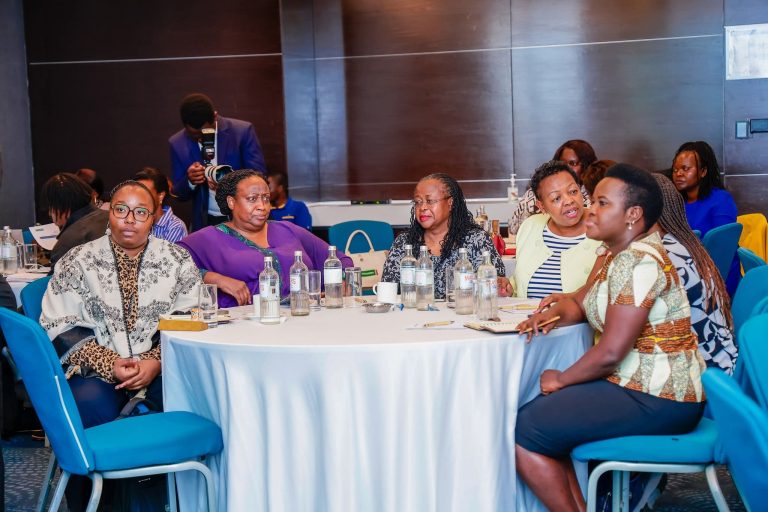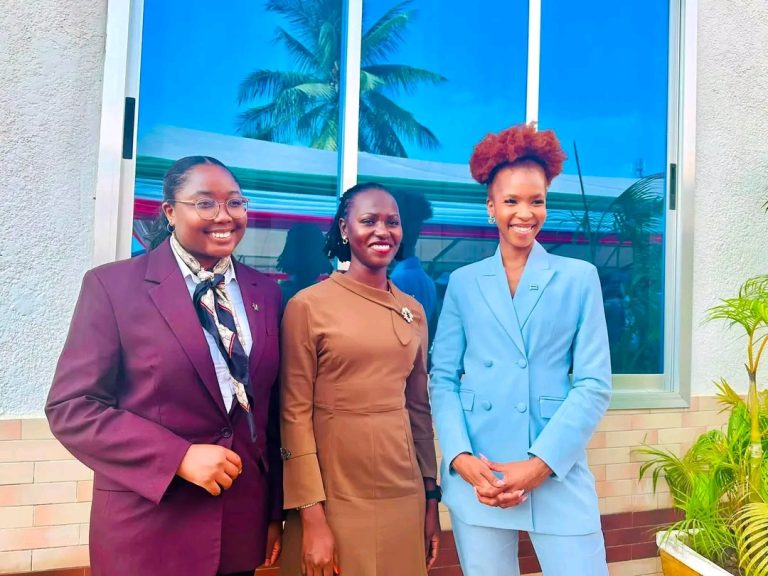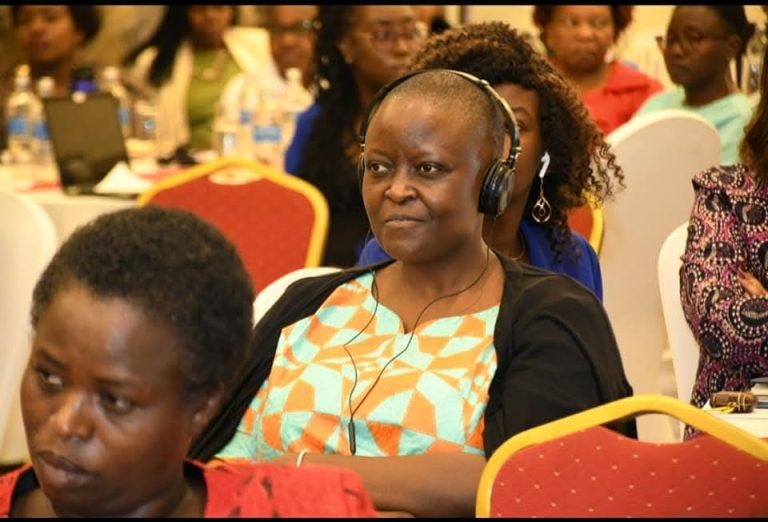
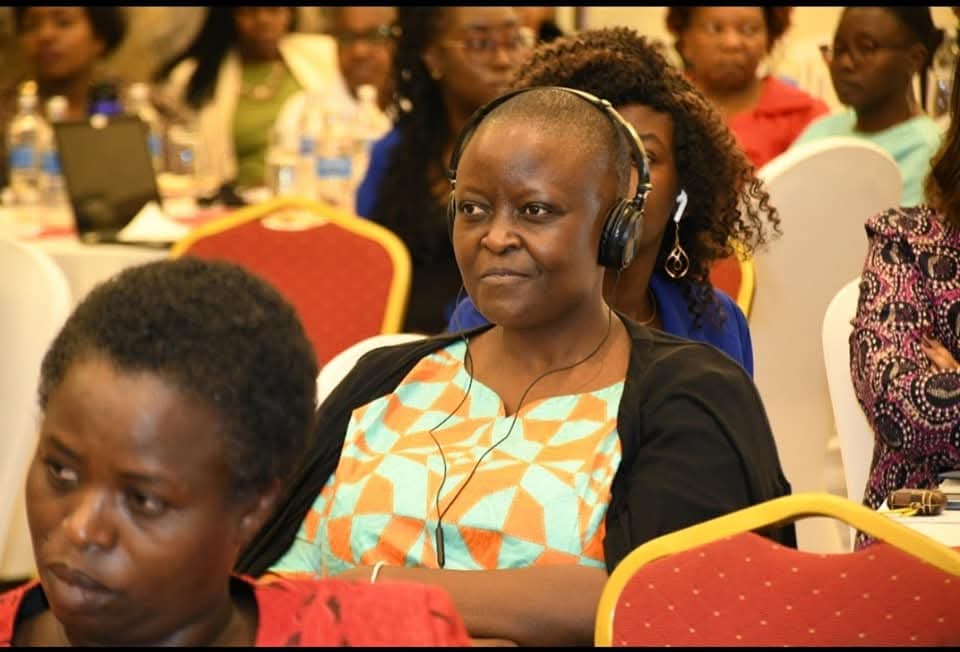
As Kenya moves closer to the the 2027 General Election, the conversation around women’s political participation has once again taken center stage.
At the heart of this national discussion is the implementation of the Two-Thirds Gender Rule,a constitutional principle designed to ensure that no more than two-thirds of elective or appointive public bodies are made up of the same gender.
More than a decade after the Constitution of Kenya 2010 came into force, the country is still striving to fully realize this commitment. While women have made significant gains in leadership across government, business, civil society, and entrepreneurship, they remain underrepresented in many decision-making spaces.
The Two-Thirds Gender Rule is not about giving women special treatment. It is about creating equal opportunities for qualified women and men to participate in shaping Kenya’s future. A diverse leadership that reflects the country’s population is more likely to make inclusive decisions that address the needs of all citizens.
Why Women’s Leadership Matters
Women’s leadership brings valuable perspectives to governance. Across Kenya and Africa, women leaders have championed legislation and policies that improve education, healthcare, economic empowerment, food security, environmental conservation, and the protection of vulnerable groups.
When women participate meaningfully in politics, communities benefit from broader representation and more inclusive policymaking. Studies have also shown that gender-diverse leadership strengthens institutions, improves accountability, and contributes to sustainable development.
The Promise of the Constitution
The Constitution recognizes equality as a fundamental value and calls for equitable representation in public institutions. Yet the continued delay in implementing the Two-Thirds Gender Rule has left Kenya in violation of its own constitutional aspirations.
With the 2027 elections approaching, lawmakers, civil society organizations, women’s rights groups, youth leaders, and development partners are renewing calls for urgent legislative action. The coming months present an important opportunity to translate constitutional promises into practical action.
Beyond Numbers: Building Inclusive Leadership
Increasing the number of women in leadership is only one part of the solution. Women aspiring to public office continue to face barriers including limited campaign financing, online harassment, political violence, cultural stereotypes, and unequal access to political party structures.
Addressing these challenges requires collaboration between government, political parties, civil society, the media, the private sector, and citizens. Creating safe and supportive environments enables more women to contest elections, serve effectively, and inspire future generations.
Every Citizen Has a Role
Promoting gender equality in leadership is not solely a women’s issue. It is a national development issue. Men and women alike have a responsibility to support fair representation, challenge harmful stereotypes, and encourage capable leaders regardless of gender.
As Kenya prepares for its next electoral cycle, implementing the Two-Thirds Gender Rule presents an opportunity to strengthen democracy, promote inclusion, and uphold the Constitution.
At African Women Network, we believe that empowering women to lead is essential to building stronger communities, resilient institutions, and a prosperous Africa.
Because when women lead, nations grow stronger.
Her Voice. Her Leadership. Kenya’s Future.
Follow our seven-day campaign as we explore the importance of women’s political participation, constitutional equality, and inclusive leadership across Kenya and Africa.
About the Author