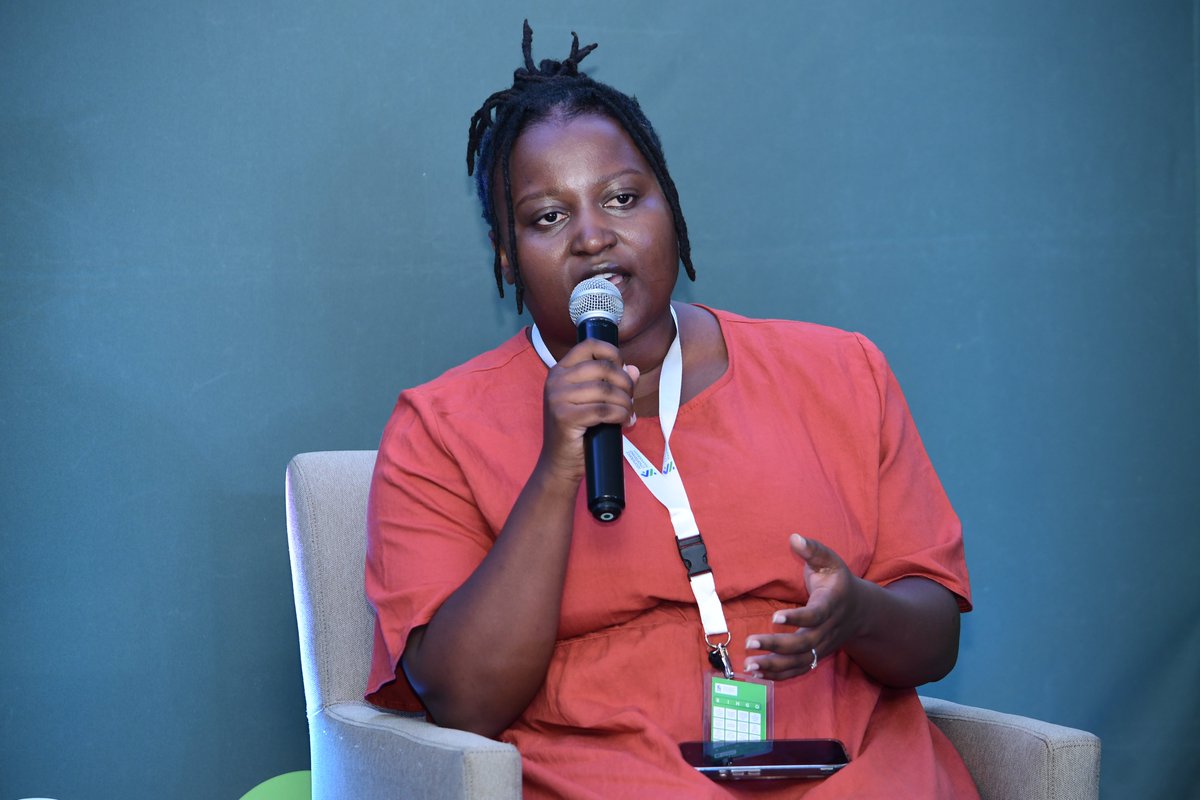
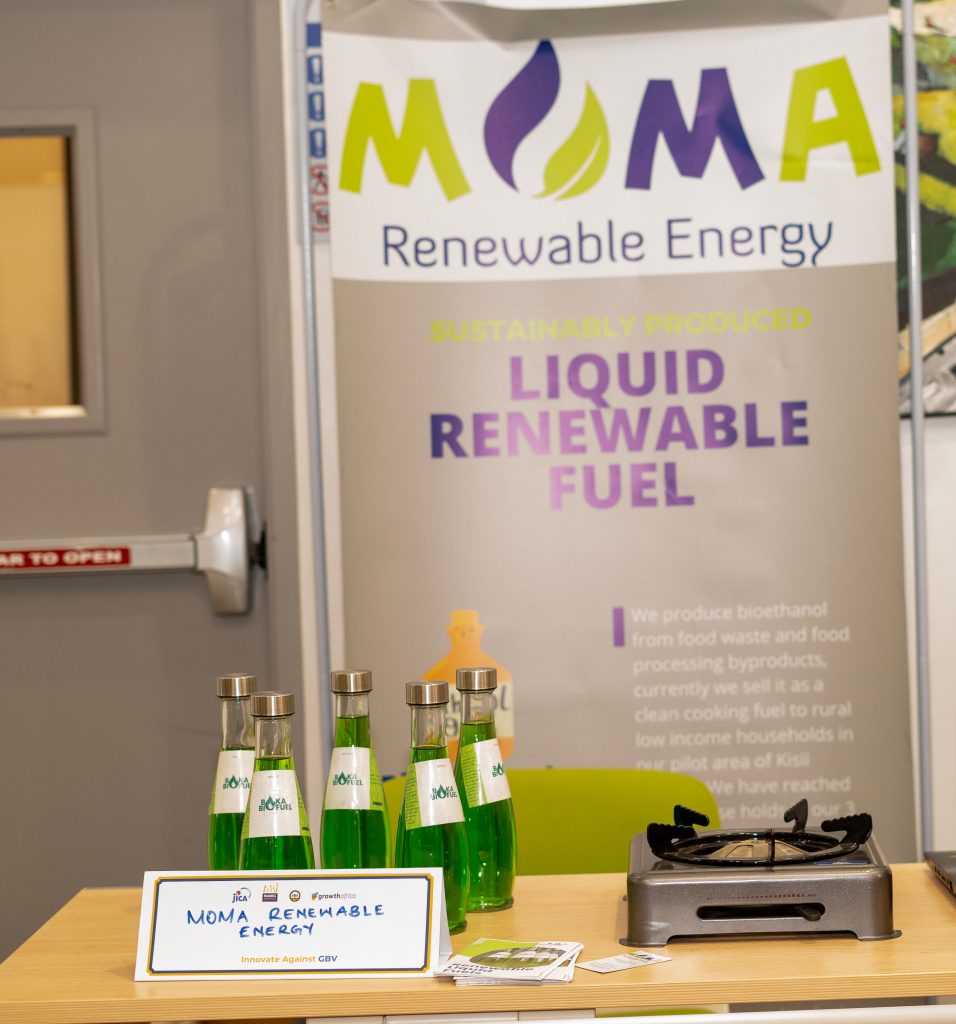
Yvonne Mose is the founder of MOMA Renewable Energy, a clean energy solution that converts organic waste into affordable bioethanol cooking fuel, offering a safer, more sustainable alternative to charcoal, firewood, and kerosene.
Founded in 2022, the company is redefining how households and small industries access energy. Its model sits at the intersection of clean technology, circular economy systems, and social impact, reducing environmental pollution while expanding access to reliable, affordable energy.
Across Kenya, more than 80% of households still depend on polluting fuels for cooking, contributing to indoor air pollution, deforestation, and rising household costs. MOMA’s bioethanol fuel, produced from food waste and agricultural by-products, offers a cleaner alternative, reducing carbon emissions by up to 73% compared to kerosene while eliminating harmful smoke.
Since its launch, the company has processed over 1,800 tons of food waste, produced more than 100,000 litres of clean fuel, and served over 4,500 recurring customers.
Beyond energy production, MOMA is also improving sanitation by diverting waste from landfills and converting it into valuable resources.
A Circular Economy Model with Social Impact
What sets MOMA Renewable Energy apart is its fully circular system, where food waste is transformed into clean energy and every output is repurposed for value. Organic waste is collected and processed into bioethanol, while by-products are converted into organic fertiliser and animal feed, ensuring zero waste and creating an environmentally regenerative model.
At the core of MOMA Renewable Energy’s innovation is bioethanol, a clean, renewable fuel produced by fermenting organic waste such as spoiled fruits and vegetable matter. As a cooking fuel, it burns without smoke or soot, eliminates harmful indoor air pollutants, and offers a safer, healthier alternative to firewood, charcoal, and kerosene.
Beyond providing clean energy, its production plays a critical role in reducing waste and advancing climate action by lowering greenhouse gas emissions while creating local employment opportunities.
MOMA’s production process generates valuable by-products, including: Nutrient-rich animal feed and Organic fertiliser. These outputs support local farmers by improving soil health, reducing feed costs, and enhancing agricultural productivity, further strengthening the circular economy model where nothing goes to waste.
As it expands, MOMA Renewable Energy is building a robust waste aggregation system by partnering with Large-scale food waste producers such as fruit processors and grain aggregators, and local market waste collectors who are trained within their operational areas.
This dual sourcing strategy ensures a consistent, high-volume supply of organic waste, allowing the company to capitalise on seasonal surpluses while improving efficiency, scale, and overall impact.
Beyond sustainability, MOMA integrates a strong social mission by creating employment opportunities for women and survivors of gender-based violence (GBV) in rural Kenya, ensuring that clean energy growth also drives inclusive economic development.
Together, these systems position MOMA Renewable Energy as more than a fuel producer; it is a fully integrated circular economy platform driving clean energy access, environmental sustainability, and community empowerment.
Scaling Across Kenya and East Africa
MOMA Renewable Energy is expanding its footprint through partnerships with market traders, food processors, and cookstove distributors. One of its most impactful innovations is the on-site production model, where food waste is collected directly from markets and converted into fuel at the source. This decentralised approach reduces transport costs, improves waste management in informal settlements, and creates new income opportunities for waste collectors.
With rising demand for clean cooking solutions, the company is positioning itself to scale across East Africa, targeting households, small industries, and urban informal markets with affordable, sustainable energy alternatives.
Challenges and Lessons as a Female Founder
Building a renewable energy company in a male-dominated sector has not been without challenges. According to Yvonne Mose, limited access to financing, technical scepticism, and low investor confidence in women-led ventures remain significant barriers.
However, she has navigated these challenges through strong technical expertise, strategic partnerships, and a clear focus on measurable impact and scalability.
Her journey underscores a broader truth: credibility in energy is built on execution, resilience, and results, not gender.
Shaping Africa’s Energy Future
Through MOMA Renewable Energy, Yvonne Mose is not only building a business, but she is also reshaping who participates in Africa’s energy transition.
Her leadership is inspiring:
- More women to enter renewable energy
- Youth-led innovation in waste-to-energy systems
- Community-driven environmental solutions
She has also participated in initiatives such as the Women in Tech Incubator Programme, gaining funding, mentorship, and ecosystem support to scale her impact.
Looking Ahead
MOMA Renewable Energy’s growth strategy includes:
- Expanding across East Africa
- Partnering with large-scale cookstove distributors
- Scaling industrial biofuel supply chains
- Strengthening decentralised clean cooking infrastructure
The long-term vision is clear: to replace polluting fuels with affordable, clean, locally produced energy across Africa.
Inspiring the Next Generation
For Yvonne Mose, the mission goes beyond energy; it is about empowerment.
Her message to young African women is simple:
Be fearless in solving the problems you see around you. Your ideas matter, your voice matters, and Africa needs your leadership.
Yvonne Mose represents a new generation of African innovators proving that sustainability and social impact can go hand in hand.
Through MOMA Renewable Energy, she is not only addressing Kenya’s energy challenges but also building a scalable clean cooking model with the potential to transform communities across Africa.
Her work stands as a compelling example of how innovation, inclusion, and sustainability can reshape the continent’s energy future.
About the Author