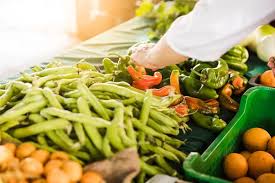
Across Africa, the food sector remains resilient and continues to thrive. From small farms to urban food stalls, and from local processing to export businesses, the sector is evolving and steadily growing.
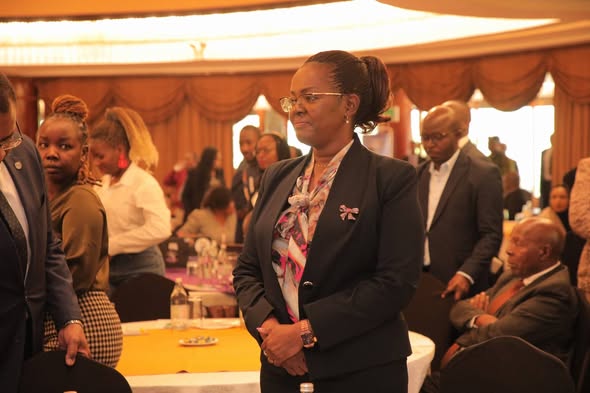
As highlighted by Elizabeth Yegon, Head of the Gender Unit in the State Department for Agriculture, Ministry of Agriculture and Livestock Development, this space is rich with opportunity for entrepreneurs ready to recognise and seize its potential.
At its core, food is a basic human need, making it one of the most recession-proof industries globally. Regardless of economic uncertainty, people must eat. This constant demand creates a dependable market, one that strategic entrepreneurs can transform into sustainable and scalable income streams.
Africa’s food sector is being reshaped by urbanisation, shifting consumer preferences, and a growing demand for convenience. This evolution is opening new business frontiers in value-added processing, packaged and ready-to-eat meals, agribusiness and organic farming, food delivery and logistics, and the export of local produce. What was once a traditional sector is now a dynamic and expanding marketplace.
For women across the continent, this signals a powerful reality: there are countless entry points into entrepreneurship. However, a common misconception persists—that the food business begins and ends at farming. In truth, the value chain is extensive and layered, with profitable opportunities available at multiple stages.
A simple example illustrates this clearly. A farmer grows tomatoes, a processor transforms them into paste or sauce, a distributor ensures they reach retailers, and a vendor sells the final product to consumers. Each stage represents a viable business opportunity, and often, the greatest profits lie beyond raw production, particularly in processing, branding, and market access.
For women entrepreneurs, especially those in urban and peri-urban areas, entering the value chain at the processing or retail level can significantly increase earning potential while requiring comparatively lower capital and fewer structural barriers than primary farming.
Women are already central to Africa’s food systems, whether through farming, cooking, or trading. What is changing now is the transition from informal participation to structured, growth-oriented enterprises. Several natural advantages support this shift. Many women already possess practical knowledge of food handling and preparation, have strong community networks that facilitate market access, and are increasingly leveraging digital tools for marketing, payments, and delivery services.
With the right combination of skills training, financial access, and market linkages, these existing strengths can be transformed into thriving businesses with real growth potential.
What ultimately distinguishes a small hustle from a successful enterprise is strategy. To fully unlock the potential of food businesses, entrepreneurs must look beyond daily sales and adopt a more deliberate, long-term approach.
This includes investing in strong branding and appealing packaging that differentiates products in competitive markets, while maintaining high standards of food safety and quality to build consumer trust.
It also involves identifying clear market niches—whether through organic products, healthier alternatives, or affordable options- and responding directly to evolving consumer demands.
At the same time, the use of digital platforms is becoming increasingly essential, enabling entrepreneurs to expand their reach, improve visibility, and drive sales beyond their immediate physical locations.
This is where the real transformation happens, when a business moves from survival mode into scalable, sustainable success. The food sector, therefore, is not just about feeding populations. It is a powerful engine for building enterprises, creating wealth, and advancing the economic empowerment of women across Africa.
For aspiring entrepreneurs, the message is simple but compelling: take a closer look at what people eat—because within it lies the potential for your next big opportunity.
About the Author