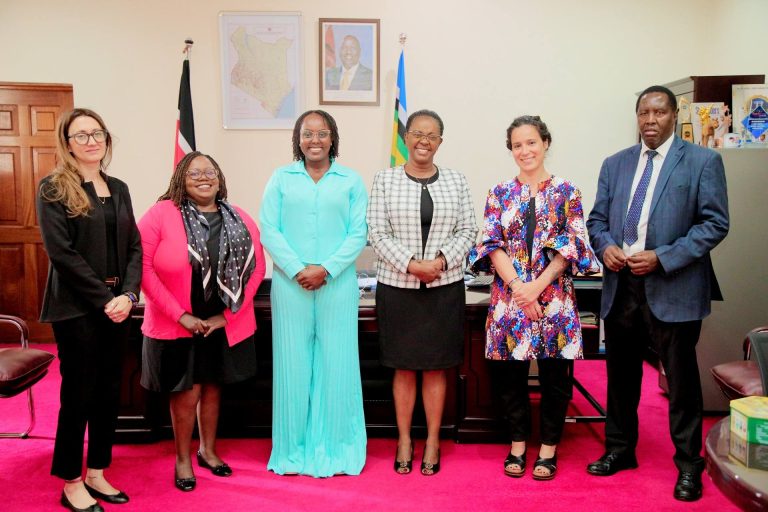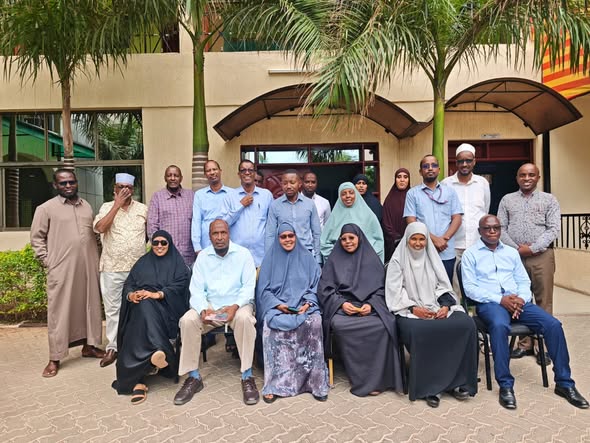
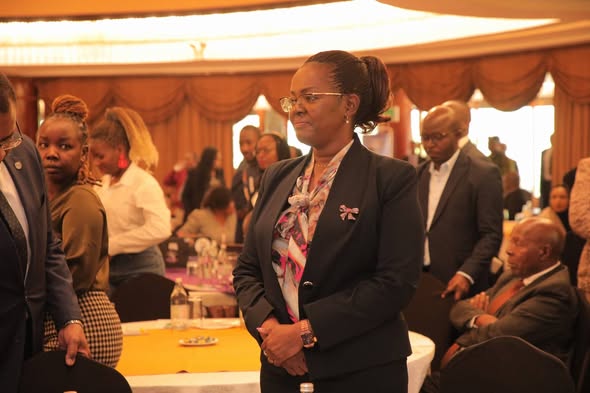
The Ministry of Gender, Kenya, has officially launched the Kenya National Gender and Corruption Survey 2025, a landmark report conducted by the Ethics and Anti-Corruption Commission of Kenya.
The survey marks a critical step in deepening the understanding of how corruption intersects with gender, and how these dynamics continue to shape inequality in access to public services across the country.
Traditionally, corruption is framed in economic terms, such as misuse of public funds, bribery, and financial mismanagement. However, this new report expands that narrative by highlighting the gendered dimensions of corruption, an often overlooked but deeply entrenched issue.
Speaking during the launch, the Principal Secretary underscored that corruption disproportionately affects men and women in different ways. While both genders experience systemic inefficiencies, women are more vulnerable to non-monetary forms of corruption, particularly sextortion, the abuse of power to obtain sexual favours.
The survey reveals a deeply concerning trend,72.8% of individuals solicited for sexual favours in exchange for public services are women. This finding points to a systemic flaw within service delivery structures, where access to fundamental rights such as healthcare, education, and administrative services is, in some cases, tied to exploitation.
Beyond breaching legal and ethical standards, this form of corruption has far-reaching consequences. It erodes women’s dignity and bodily autonomy, entrenches existing gender inequalities, and perpetuates discrimination. It also discourages victims from speaking out due to stigma and fear of retaliation, ultimately restricting fair and equal access to essential services.
The report further emphasises that corruption compounds vulnerability among marginalised populations, including low-income women, rural communities, and young girls. These groups often lack the resources or social capital to resist or report exploitation, making them easy targets within broken systems.
The Principal Secretary noted that such practices deny fundamental human rights and widen the gender gap, contradicting Kenya’s commitments to equality, inclusion, and sustainable development.
The Need for Safe and Trusted Reporting Mechanisms
A central recommendation from the launch is the urgent establishment of safe, accessible, and confidential reporting systems. Many victims of corruption, particularly those facing gender-based exploitation, remain silent, held back by fear of retaliation, social stigma, and limited trust in existing institutions.
To address this gap, there is a need to strengthen reporting frameworks through:
- Anonymous reporting channels that protect the identity of victims
- Survivor-centred support services that prioritise safety, dignity, and recovery
- Legal protections for whistle-blowers to encourage reporting without fear
- Greater institutional accountability and transparency to ensure cases are addressed effectively and justly
Building trust in these systems is essential to breaking the cycle of silence and ensuring that survivors can seek justice without further harm.
Data-Driven Policy for Gender Equality
The Ministry reaffirmed its commitment to leveraging gender-disaggregated data to inform policy decisions. By grounding interventions in evidence, the government aims to design targeted strategies that address both corruption and gender inequality simultaneously.
This approach aligns with broader national and global frameworks, including:
- Gender equality and women’s empowerment goals
- Anti-corruption strategies
- Sustainable Development Goals (SDGs), particularly SDG 5 (Gender Equality) and SDG 16 (Peace, Justice, and Strong Institutions).
The launch of the Kenya National Gender and Corruption Survey 2025 is more than just a policy milestone; it is a call to action for institutions, civil society, and citizens alike. Addressing corruption requires not only systemic reforms but also a cultural shift that recognises and confronts its gendered impacts.
As Kenya moves forward, the integration of gender perspectives into anti-corruption efforts will be essential in building a more just, inclusive, and accountable society, one where access to services is a right, not a transaction.
About the Author