Biodigester technology is emerging as a powerful, community-driven solution at the intersection of climate action, clean energy, and sustainable livelihoods.
By capturing methane emissions from livestock manure and organic waste streams, this technology prevents the release of a greenhouse gas that is over 25 times more potent than carbon dioxide.
Instead of escaping into the atmosphere, methane is converted into clean biogas—an affordable and reliable energy source for cooking, heating, and even electricity generation. The result is a significant reduction in household carbon footprints, alongside improved access to sustainable energy.
Beyond Energy: A Catalyst for Social and Economic Change
The impact of biodigesters extends far beyond environmental benefits. For many rural households, especially in Kenya, this innovation is transforming daily life.
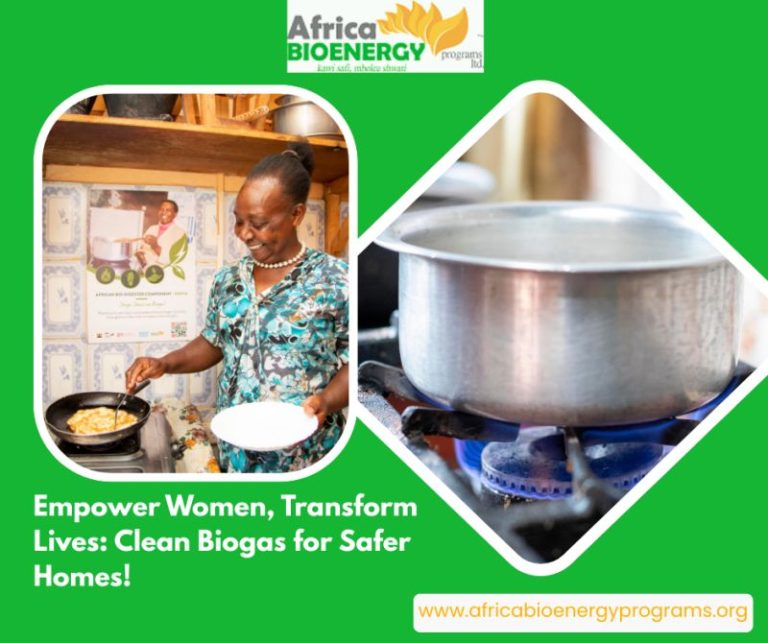
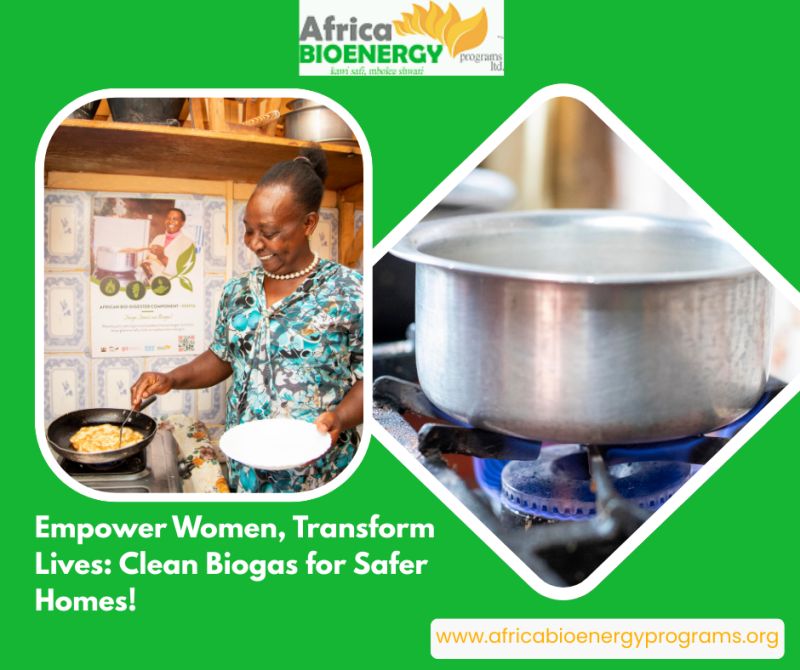
Women, who often bear the burden of collecting fuelwood, benefit from reduced unpaid labour and improved safety. With less time spent gathering firewood, they can redirect their energy toward income-generating activities, education, and family well-being.
At the household level, the shift to clean biogas also reduces indoor air pollution, creating healthier living environments and lowering the risk of respiratory illnesses.
Boosting Agriculture and Food Security
Biodigesters also produce bio-slurry, a nutrient-rich organic fertiliser that enhances soil fertility. Farmers using bio-slurry report increased crop yields, improved soil health, and better food production outcomes.
This contributes directly to stronger household nutrition and food security—making biodigesters not just an energy solution, but a holistic agricultural innovation.
Scaling Impact Through Skills and Innovation
In Kiambu County, a new wave of technical training is accelerating the adoption of this technology. Under the African Biodigester Component (ABC), a two-day intensive training on the Productive Use of Biogas (PUB) is equipping technicians with practical, future-ready skills.
Implemented by GIZ and SNV in partnership with Africa Bioenergy Programs Ltd (ABPL), the initiative is designed to strengthen Kenya’s clean energy workforce.
Fifty biodigester technicians from five counties are gaining hands-on experience in retrofitting gasoline engines and installing biogas-powered systems such as chaff cutters, generators, and milk pasteurizers. These innovations expand the productive use of biogas, unlocking new economic opportunities for farmers and entrepreneurs.
The program targets the installation of over 20,000 small and 250 medium biodigesters, while simultaneously building technical capacity and promoting green enterprise development.
A Scalable Climate Solution for the Future
Biodigester technology represents a scalable pathway toward climate resilience, waste reduction, and inclusive economic growth. By turning waste into energy and fertiliser, communities are not only reducing emissions but also creating sustainable livelihoods.
As adoption grows, biodigesters are proving to be more than just a clean energy solution—they are a transformative tool for empowering communities, advancing gender equality, and building a greener future.
About the Author