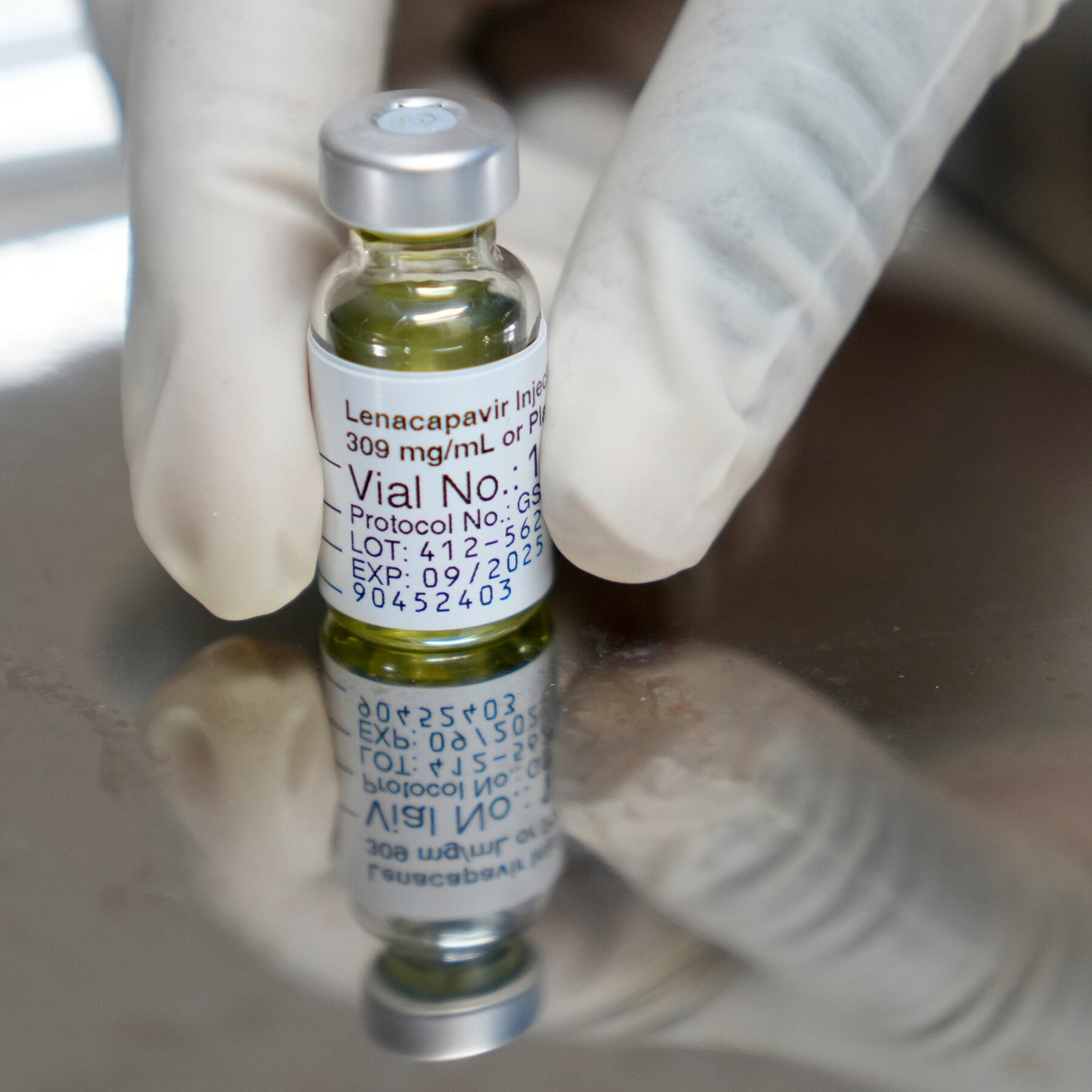
Kenya has received 21,000 doses of Lenacapavir, an injectable drug used for HIV prevention, with the Ministry of Health set to begin county rollout in March.
A further 12,000 doses are scheduled to arrive in April. The rollout of the injectable comes at a pivotal moment in strengthening Kenya’s HIV prevention efforts.
According to the National AIDS Control Council (NACC), about 1.4 million Kenyans are currently living with HIV, with a national prevalence rate of approximately 3.7 per cent. While the country has made significant progress in expanding access to antiretroviral treatment and reducing AIDS-related deaths, new infections remain a concern, particularly among young people, adolescent girls and young women, and key populations in high-burden counties such as Nairobi, Kisumu, and Homa Bay.
Challenges in Kenya’s HIV Response
One of the persistent challenges in Kenya’s prevention strategy has been adherence to daily oral pre-exposure prophylaxis (PrEP). Although daily PrEP pills are highly effective when taken consistently, many users struggle with maintaining strict daily routines due to stigma, pill fatigue, forgetfulness, or fear of being judged.
There have also been reports of declining uptake of daily PrEP in some areas, raising concerns about prevention gaps among those at high risk. Structural barriers such as limited youth-friendly services, socio-economic vulnerability, and persistent stigma further complicate efforts to reduce new infections.
Lenacapavir is being described as a potential game-changer because it is administered only twice a year, significantly reducing the burden of daily pill-taking.
The long-acting injectable maintains protective drug levels in the body for months, offering a discreet and convenient option for individuals who may find daily medication challenging.
By expanding prevention choices, the injectable is expected to improve adherence, increase uptake among young people and key populations, and strengthen Kenya’s overall HIV prevention toolkit.
Health experts emphasize that while Lenacapavir is not a standalone solution, scaling up testing, addressing stigma, strengthening community outreach, and ensuring equitable distribution across counties will be critical to maximizing its impact and accelerating progress toward ending new HIV infections in Kenya.
About the Author