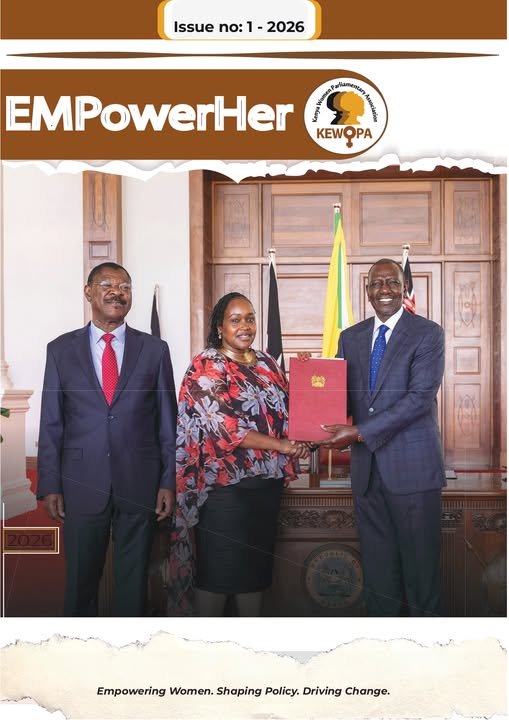
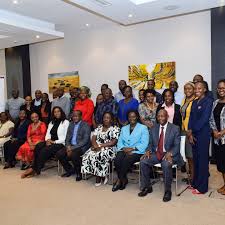
KEWOPA, Jhpiego, the Kenya Paediatric Association (KPA), Help Reach Africa, and the SASA Alliance have partnered to strengthen coordinated advocacy for Family Planning (FP) and Maternal, Newborn and Child Health (MNCH) across Kenya.
The partnership will align national and county-level advocacy efforts, identify shared policy priorities, and apply SMART advocacy principles to drive evidence-based decision-making. Partners will jointly analyze MNCH and FP gaps, map key stakeholders, and develop a common advocacy agenda to influence policies, budget allocations, and implementation.
Speaking during the meeting, representatives emphasized that fragmented advocacy has often weakened the influence of civil society and professional bodies in shaping health policy. The new partnership seeks to address this by establishing a coordinated advocacy platform that enables partners to speak with one voice on priority FP/MNCH issues.
The agreement also prioritizes use of data to support policy reforms, capacity building for advocates and legislators, and support to counties to domesticate FP/MNCH policies and expand financing.
The collaboration aims to improve access to quality services and accelerate progress toward better health outcomes.
The agreement further outlines mechanisms for structured stakeholder mapping, enabling the coalition to systematically engage policymakers, parliamentary committees, county executives, health departments, development partners, and community champions. This approach is expected to strengthen relationships with decision-makers and increase the likelihood of sustained political and financial commitment to MNCH and FP programmes.
A key component of the partnership is the integration of research and routine health data into advocacy messaging. Partners committed to jointly generating, packaging, and disseminating evidence, such as service coverage trends, maternal and neonatal mortality data, and cost-effectiveness analyses to support policy reform and budget negotiations.
At the county level, the coalition plans to support locally driven advocacy by working with county assemblies and health management teams to domesticate national FP/MNCH policies, expand budget lines for reproductive, maternal, newborn, child and adolescent health (RMNCAH), and strengthen service delivery systems.
The agreement also places strong emphasis on capacity building. Partners will jointly train advocates, health champions, and legislators on policy analysis, budget tracking, and strategic communication to enhance their effectiveness in influencing decision-making processes.
Ultimately, the collaboration aims to deliver tangible results, including increased and protected financing for FP and MNCH, improved access to quality services, and better health outcomes for women, newborns, and children.
Stakeholders described the partnership as a significant step toward building a unified, results-oriented advocacy movement that can drive sustainable change across Kenya’s health sector and contribute to a future where every woman and every newborn has the opportunity to survive and thrive.
About the Author