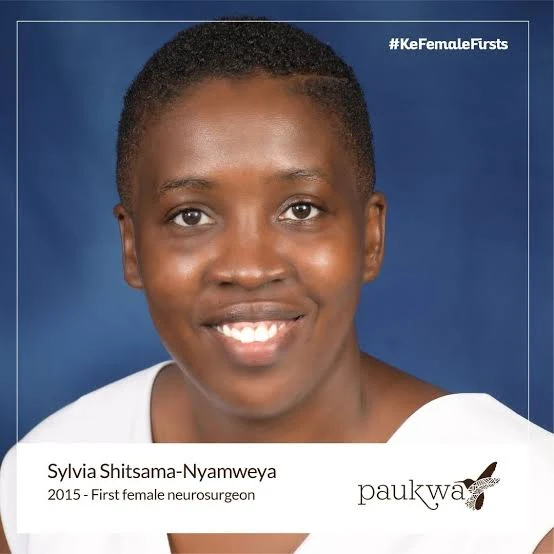
Dr. Sylvia Shitsama Nyamweya has made history as Kenya’s first female neurosurgeon, breaking barriers and inspiring a new generation of women in medicine.
As a consultant neurosurgeon at Kenyatta National Referral Hospital, Dr. Nyamweya’s accomplishment is both a personal and national milestone. Her presence in neurosurgery marks a leap forward for gender diversity in one of the most demanding and specialized medical disciplines, requiring years of meticulous training, resilience, and unwavering commitment.
Neurosurgery, in Kenya and globally, has long been a male-dominated specialty. Dr. Nyamweya’s rise within this challenging environment has quietly shifted perceptions, offering a powerful example of how expertise and leadership are not defined by gender. She is among the few women in this elite field, making her role in surgery, training, and professional forums both rare and influential.
Leading in the Operating Room and Beyond
At Kenyatta National Hospital, Dr. Nyamweya treats complex neurological cases, including critical brain and spinal injuries. Her expertise is strengthening Kenya’s ability to handle life-threatening neurosurgical conditions locally,helping reduce the need for patients to seek care abroad.
Her influence, however, extends far beyond the operating theatre. As a visible role model, Dr. Nyamweya inspires young women to pursue careers in medicine and STEM, demonstrating that glass ceilings can be shattered—even in the most challenging arenas.
Inspiring the Next Generation
For girls who seldom see themselves represented in surgical specialties, Dr. Nyamweya’s journey delivers a powerful message: African women belong wherever excellence, innovation, and leadership are required.
Her story highlights the importance of mentorship, institutional support, and visibility for women seeking to enter and excel in specialized professions.
While being the “first” is remarkable, Dr. Sylvia Shitsama Nyamweya’s enduring legacy lies in the doors she opens for others. Through her determination and achievements, she challenges stereotypes, expands opportunities, and reinforces the vital role of African women in shaping the future of medicine.
About the Author