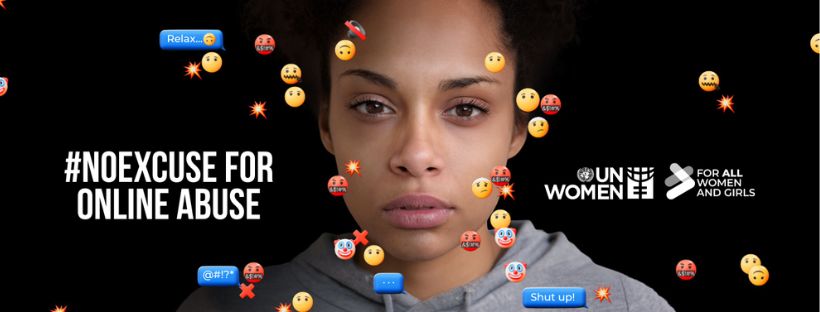
As the 16 Days of Activism begin, UN Women warns of a sharp rise in digital violence against women and girls across East and Southern Africa.
From Kenya and Uganda to South Africa, journalists, activists, politicians, and everyday women are facing gendered disinformation campaigns, online threats, and manipulated content designed to intimidate and silence them.
A recent MISA–UNESCO study documents widespread attacks against women journalists in Botswana, Malawi, Mozambique, Namibia, and Zimbabwe. Globally, one in four women journalists experiences online violence, with the trend mirrored across Africa.
The statistics are sobering: In Ethiopia, Kenya, Uganda, Senegal, and South Africa, 28% of women report experiencing online violence (APC). Some 42% of female African MPs have received threats of death, rape, or abduction,mostly through digital channels (IPU/APU). In South Africa, 95% of online abuse targets women and girls (UNODC).
“Online abuse isn’t virtual , it’s real, and its consequences are devastating,” warns Anna Mutavati, UN Women Regional Director. “Weak laws leave millions of women and girls unprotected. This must end.”
Legal Gaps Leave Women Vulnerable
Only 40% of countries worldwide have laws addressing cyber harassment or stalking, and sub-Saharan Africa lags even further behind at 25%. Even where laws exist, enforcement is often lax and the gendered nature of online abuse is frequently overlooked. Countries like South Africa, Kenya, Botswana, Eswatini, Mauritius, and Rwanda have introduced cybercrime legislation, but many women still face barriers when reporting abuse or seeking justice. Meanwhile, technology companies have yet to be held fully accountable for protecting users from harm.
The growing use of AI-driven deepfakes is especially concerning, as these technologies intensify attacks on women in leadership and discourage women’s participation in public life.
UN Women’s Call to Action
During this year’s 16 Days of Activism, UN Women is calling on governments, technology companies, civil society, and communities to step up. Digital spaces must be made safe for all women and girls. UN Women urges:
Stronger, better-enforced laws addressing technology-facilitated violence
Accountability from tech companies to protect users and prevent abuse
Increased funding for survivor support and women’s rights organizations
Digital literacy and safety education for women and girls
Special protections for women in politics, media, and public life
Investments in prevention to shift harmful norms and online behaviors
To support these efforts, UN Women is launching two new resources:
A Supplement to the Handbook for Legislation on Violence against Women, focused on technology-facilitated abuse
A Guide for Police on Addressing Technology-Facilitated Violence, offering practical tools for prevention and response
Why Action Is Urgent
Digital violence not only threatens women’s safety and dignity, but also undermines broader progress on gender equality, peace, and sustainable development. It silences voices, restricts girls’ participation, and deters women from public leadership. Without immediate interventions, the digital divide and gender inequality will only deepen.
Supporting Feminist Movements and Building Coalitions
With civic space shrinking and funding for women’s rights organizations under threat, support for feminist and grassroots movements is more critical than ever. Initiatives like the EU-funded ACT to End Violence Against Women and Girls are strengthening regional coalitions, partnering with organizations such as Akili Dada, FEMNET, Equality Now, and Sonke Gender Justice.
Ensuring digital safety for women and girls is not optional,it is fundamental to advancing gender equality. UN Women stresses that until online spaces are made safe, true progress for women and girls will remain out of reach. The time to act is now.
About the Author