Women manufacturers across Kenya are rewriting the narrative of African trade, driven by access to opportunity, strategic support, and a determination to build thriving businesses beyond local borders.
Under the African Continental Free Trade Area (AfCFTA), Kenyan female manufacturers are not only breaking into new markets but are also building export-ready brands, forming regional supply chains, and establishing networks that span the continent.
This surge in women-led manufacturing signals a profound shift: Kenyan women are moving from the periphery to the forefront of cross-border commerce, shaping Africa’s economic integration in real time.
For years, women entrepreneurs in manufacturing have faced challenges like limited access to capital, complex regulatory environments, and entrenched gender biases in trade. Yet, many are leveraging AfCFTA’s transformational promise: reduced tariffs, harmonized regulations, and unprecedented access to a market of over 1.3 billion people.
Women-owned manufacturing businesses are now exporting a diverse range of products,including processed foods, textiles, personal care items, furniture, packaging, and artisanal crafts,to markets in Tanzania, Uganda, Rwanda, South Sudan, Zambia, Ethiopia, and beyond. Their growing success proves what’s possible when systems are designed to support their ambitions.
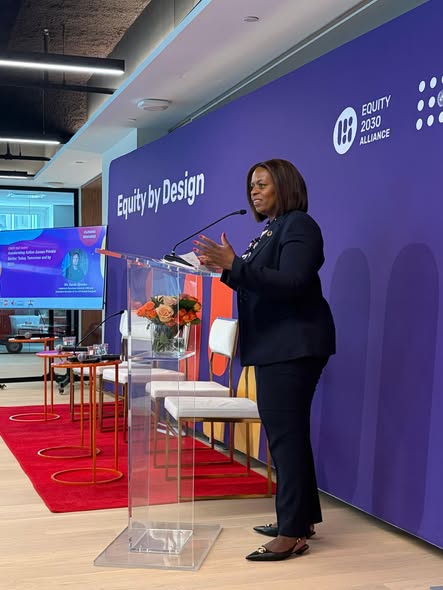
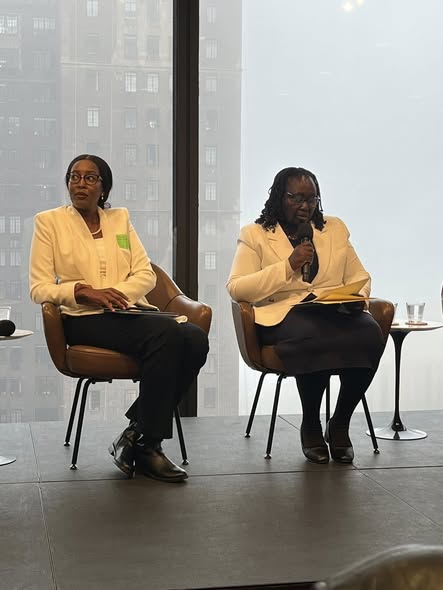
At the heart of this transformation is the Kenya Association of Manufacturers (KAM) Women In Manufacturing (WIM) Programme. Under the leadership of WIM Chair Mary-Ann Musangi, the programme is dedicated to elevating women-led manufacturing enterprises through:
Intensive capacity-building workshops
Regional and international trade missions
Hands-on technical mentorship and factory-level support
Training in export compliance and quality standards
Access to financing pathways for business growth
Policy advocacy and high-level industry-government dialogue
“When women are empowered with the right tools and access to markets, they build not just businesses, but generational wealth,” Musangi affirms.
Through these interventions, Kenyan women manufacturers are negotiating cross-border distribution deals, mastering customs requirements, and leveraging digital trade platforms to introduce Kenyan-made products to new customers across Africa.
Unlocking AfCFTA’s Full Potential
AfCFTA has ushered in new opportunities for women in manufacturing, including:
Lower tariffs and trade costs
Streamlined cross-border logistics
Standardized regulations across participating countries
Expanded training on export processes and compliance
Growing opportunities in digital trade and e-commerce
Female manufacturers are harnessing these advantages, ensuring their products meet regional packaging and quality standards, and positioning themselves as competitive players in Africa’s integrated markets.
Stories of Transformation: Women at the Helm
Within the WIM network, inspiring stories abound,women who innovate rather than imitate, who learn and adapt, who collaborate for mutual growth, and who build brands rooted in quality and sustainability. Whether in agro-processing, skincare, textiles, packaging, or furniture, these women share a mission: to place high-quality Kenyan products on shelves across Africa and keep them there.
Why Empowering Women Manufacturers Matters
The ripple effects of women’s success in trade extend far beyond individual enterprises. Research shows that when women thrive economically, families and communities benefit through increased household income, job creation, industrial growth, poverty reduction, and enhanced regional integration.
In Africa’s journey toward deeper trade integration, women’s leadership in manufacturing and trade is not just desirable,it’s essential for sustainable development.
What’s Needed to Scale Further
Despite impressive progress, Kenyan women manufacturers require continued support to reach their full potential. Critical needs include:
Gender-responsive financing and grant mechanisms
Advanced training in trade, export, and digital skills
More affordable and efficient logistics solutions
Greater digital market access and e-commerce opportunities
Stronger enforcement of gender-inclusive trade policies
Investment in women-friendly trade infrastructure
With these pillars in place, Africa’s next generation of export champions will undoubtedly feature thousands of women at the helm.
The ascent of Kenyan women in manufacturing and cross-border trade is a powerful testament that gender equality is both a social imperative and a proven economic strategy. With AfCFTA opening new doors and KAM’s WIM Programme lighting the way, women are not just participating—they are leading Africa’s trade renaissance.
About the Author